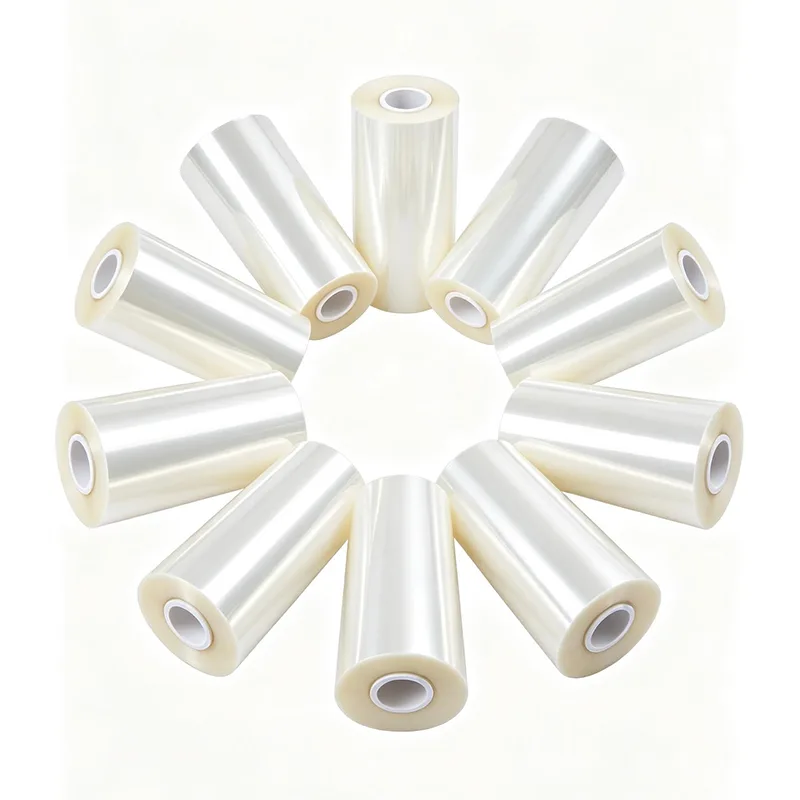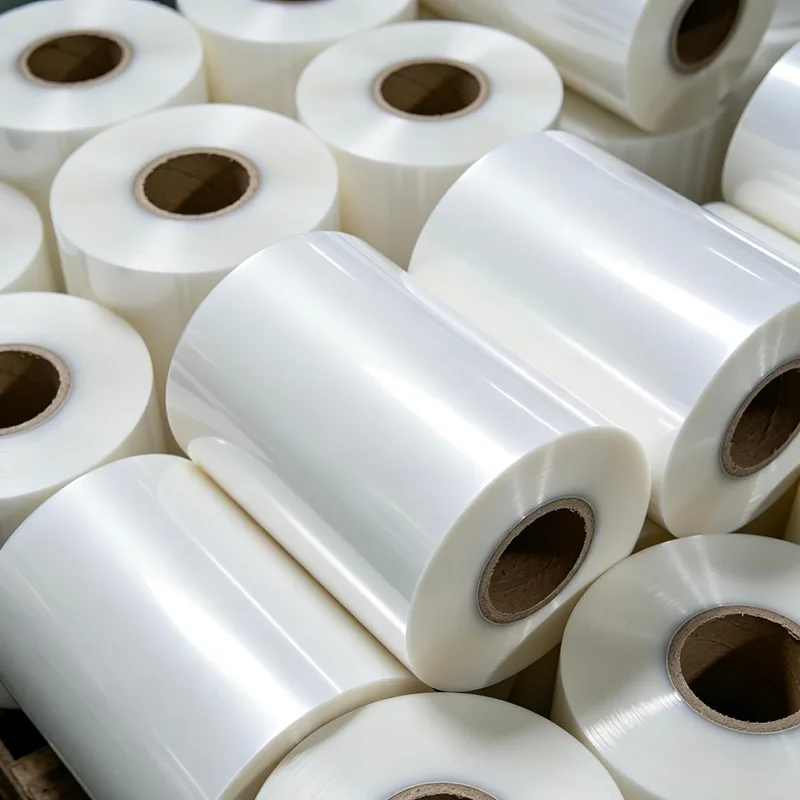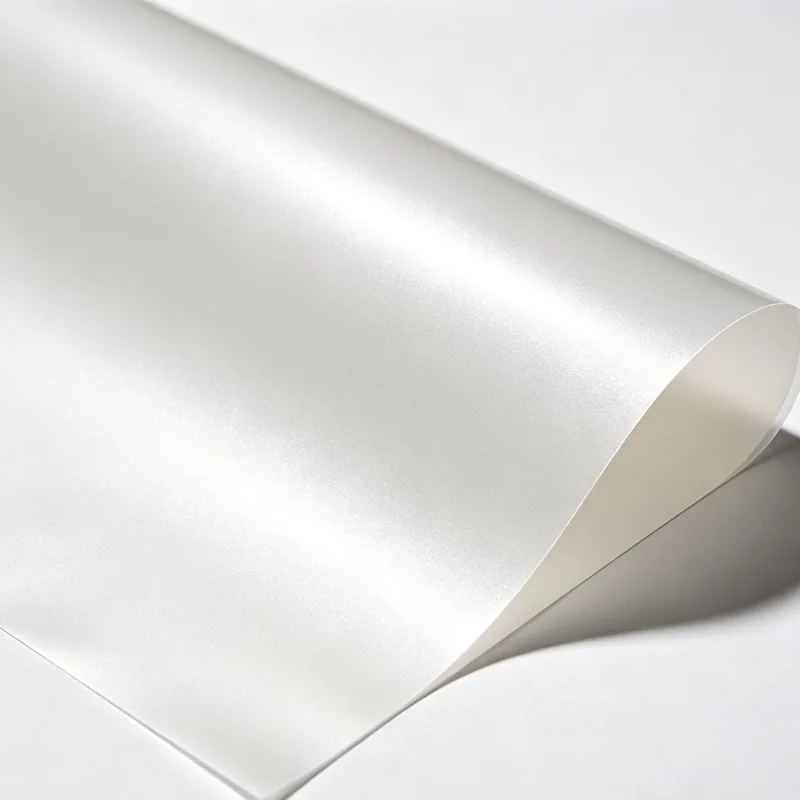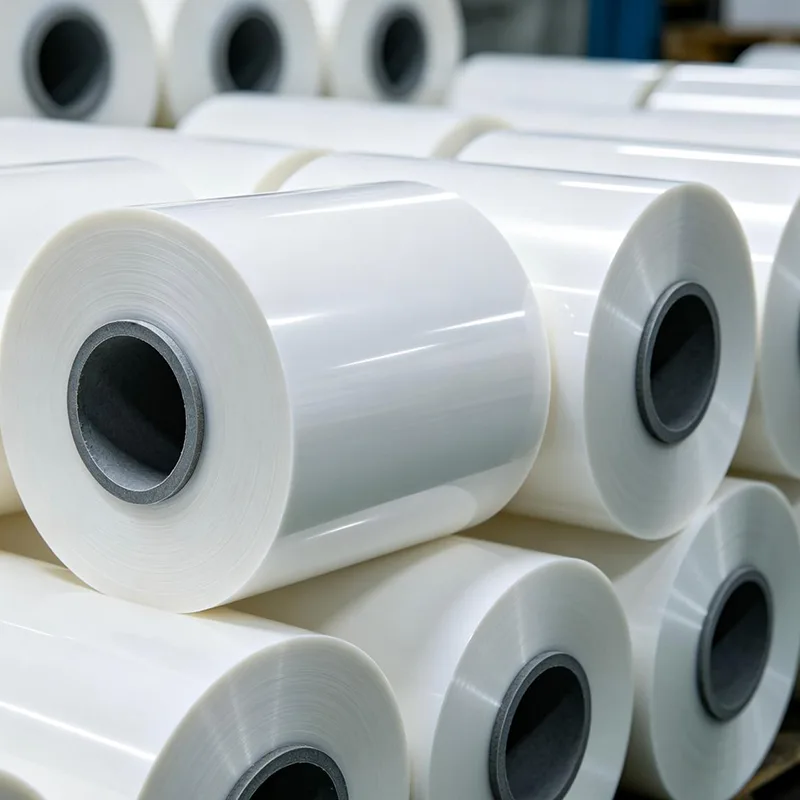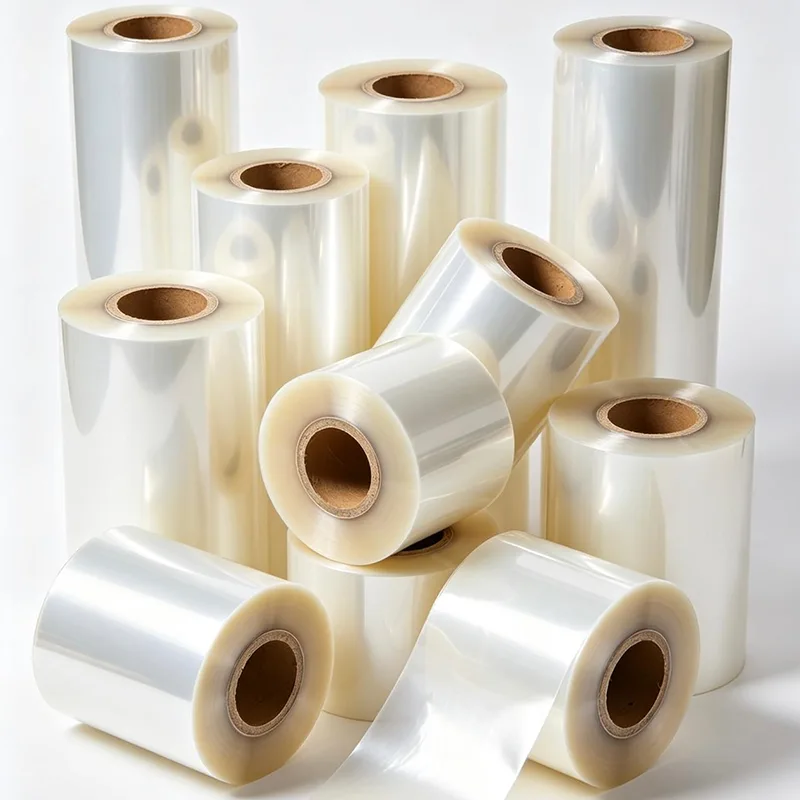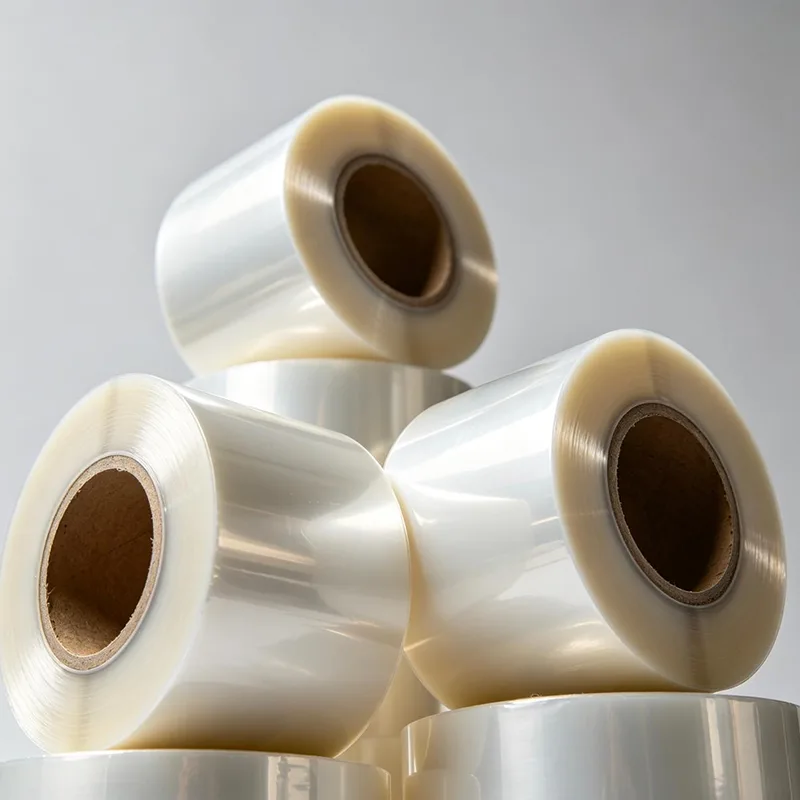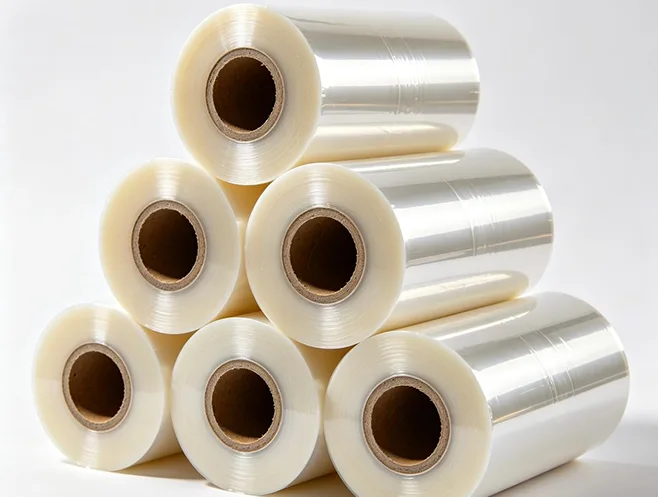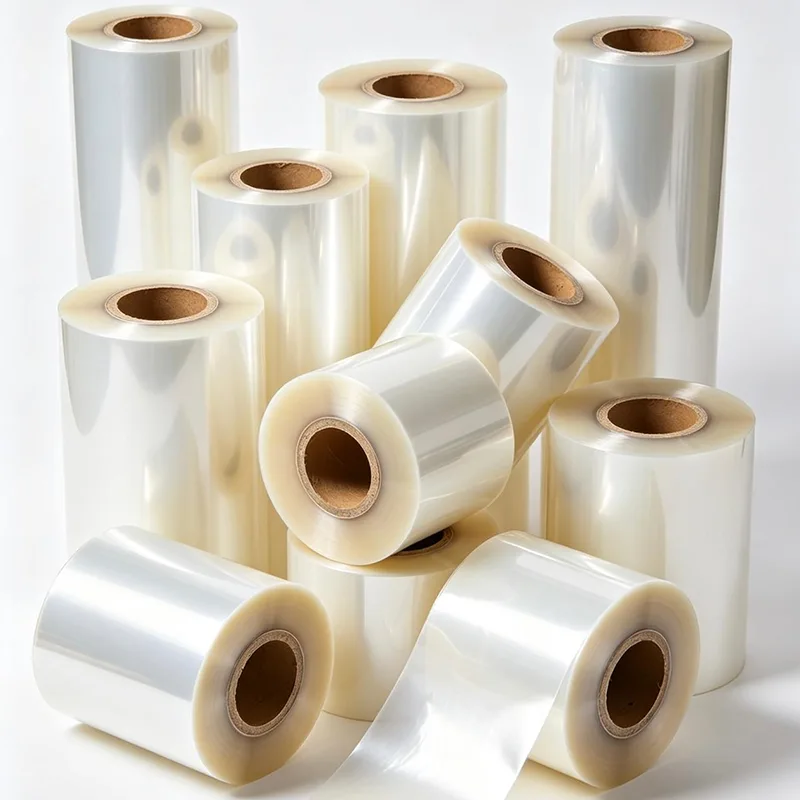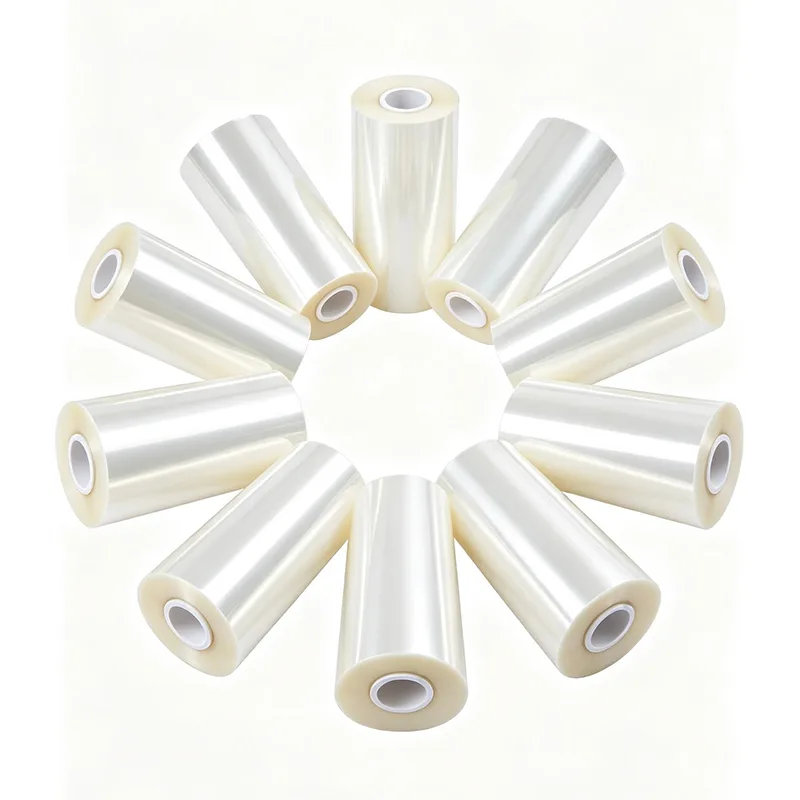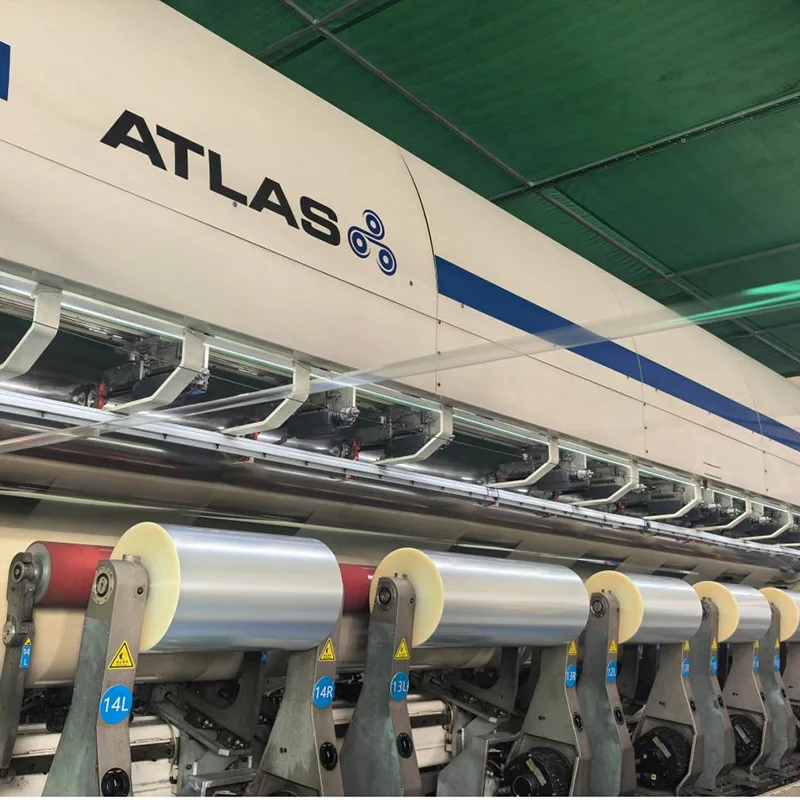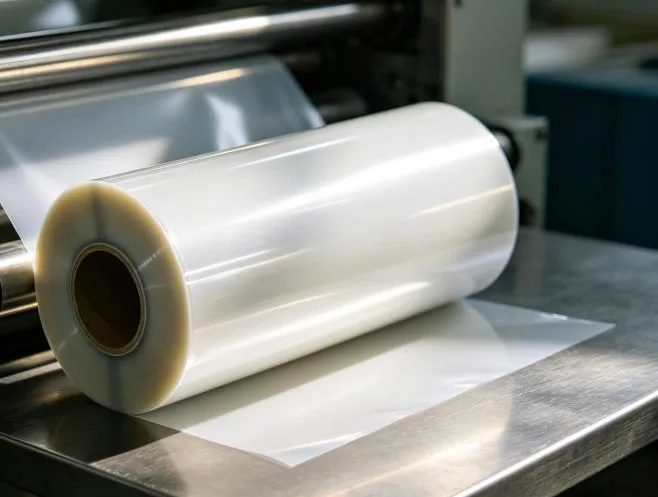

HUA HENG Fruit Packaging BOPP Film is designed for fresh fruit packaging applications where clarity, anti-fog performance, sealing reliability, and moisture management are essential. As a professional China BOPP film manufacturer, HUA HENG provides customized film solutions for fresh fruits, fruit trays, premium fruit boxes, and refrigerated distribution, helping packaging producers maintain attractive presentation and stable packaging performance.
Fresh fruit packaging must do more than simply cover the product. Fruits continue to release moisture after harvesting, while cold-chain transportation and temperature changes can create condensation inside the package. These conditions may reduce visibility, affect shelf presentation, and increase packaging challenges. Fruit Packaging BOPP Film addresses these requirements through a combination of high transparency, anti-fog performance, heat sealing capability, mechanical strength, and flexible customization. This article explains how BOPP film works in fruit packaging, which fruit categories can benefit from it, what technical specifications buyers should evaluate, and how to select a suitable film structure for automatic packaging applications.
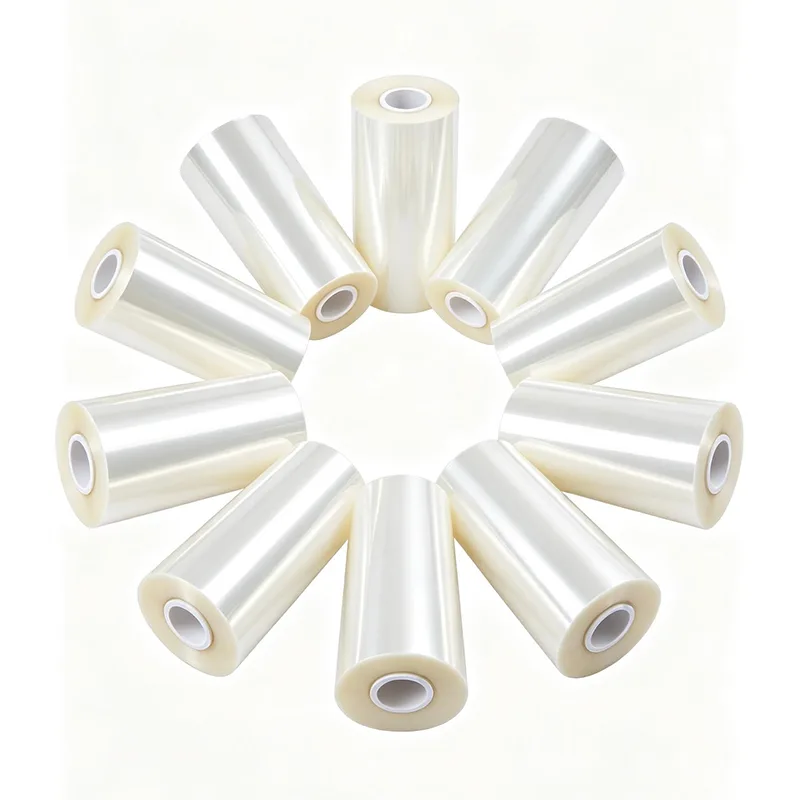
Table of Contents
- What Is Fruit Packaging BOPP Film?
- Why Does Anti-Fog Performance Matter in Fruit Packaging?
- What Are the Key Benefits of BOPP Film for Fresh Fruit?
- Which Fruits Can Use BOPP Packaging Film?
- What Technical Specifications Should Buyers Consider?
- How Should Buyers Select the Right Film?
- How Does BOPP Film Support Modern Packaging Lines?
- Frequently Asked Questions
- Conclusion
What Is Fruit Packaging BOPP Film?
Fruit Packaging BOPP Film is a biaxially oriented polypropylene film developed for packaging fresh and refrigerated fruit products. BOPP is widely used in flexible packaging because it combines clarity, stiffness, tensile strength, moisture resistance, and good processing characteristics.
For fresh fruit, however, ordinary transparent film may not always provide sufficient performance. Fruits continue their natural respiration after harvest and release moisture into the package. When packaged fruit moves between cold storage, transportation, warehouses, and retail environments, temperature differences can result in condensation.
A suitable fruit packaging film therefore needs to balance several factors at the same time:
- High transparency for clear product visibility
- Stable anti-fog performance under refrigerated conditions
- Reliable heat sealing for package integrity
- Mechanical strength for transportation and handling
- Controlled moisture performance
- Compatibility with automatic packaging equipment
- Flexible specifications for different fruit applications
HUA HENG develops fruit packaging solutions around these practical requirements, with customized options for thickness, sealing performance, anti-fog level, and film structure.
Why Does Anti-Fog Performance Matter in Fruit Packaging?
Condensation is one of the most visible problems in refrigerated fruit packaging. When warm, moisture-containing air inside a package encounters a colder film surface, water vapor can condense into small droplets. These droplets scatter light and may make the fruit difficult to see.
For products such as strawberries, blueberries, cherries, and grapes, appearance is particularly important. Buyers often evaluate freshness, color, surface condition, and overall quality before making a purchase.
Anti-fog technology helps change the way condensed moisture behaves on the film surface. Instead of forming numerous visible droplets, moisture can spread into a more uniform layer, helping maintain a clearer package appearance.
This makes anti-fog BOPP film especially useful for:
- Refrigerated fruit trays
- Fresh-cut fruit packages
- Berry containers
- Cherry and grape packaging
- Supermarket fresh produce displays
- Cold-chain fruit distribution
Clear packaging can also contribute to stronger retail presentation because consumers can directly inspect the natural color and appearance of the fruit before purchase.
What Are the Key Benefits of BOPP Film for Fresh Fruit?
1. High Transparency
High transparency allows the packaged fruit to remain visually accessible. This is particularly valuable for premium fruits where natural color, size, shape, and freshness are important parts of the buying experience.
2. Stable Anti-Fog Performance
Anti-fog functionality helps reduce the visual impact of condensation during refrigeration and temperature changes. A clearer package can make product inspection easier throughout storage, transportation, and retail display.
3. Reliable Heat Sealing
Heat-sealable structures can support secure package closure and efficient automated packaging. Appropriate sealing performance is essential when packaging fruit for refrigerated logistics and retail distribution.
4. Good Mechanical Strength
Fresh fruit packages can experience vibration, compression, impact, and repeated handling during distribution. BOPP film provides useful tensile strength and dimensional stability for demanding packaging environments.
5. Flexible Customization
Different fruits have different moisture levels, packaging formats, storage conditions, and machine requirements. Film specifications can therefore be adjusted according to the intended application rather than relying on a single universal structure.
Which Fruits Can Use BOPP Packaging Film?
The appropriate film structure depends on fruit characteristics and packaging conditions. Fruit Packaging BOPP Film can be considered for both conventional whole-fruit packaging and more specialized refrigerated formats.
| Fruit Application | Common Packaging Challenge | Relevant Film Performance |
|---|---|---|
| Apples, Oranges, Pears | Long-distance transportation and storage | Transparency and mechanical protection |
| Strawberries, Blueberries, Cherries | High moisture and condensation | Anti-fog performance and clear visibility |
| Grapes | Moisture loss and appearance changes | Moisture management and shelf presentation |
| Cut Fruits & Fruit Trays | Fruit juice and increased internal humidity | Clear visibility and stable sealing |
| Mango, Kiwi, Pineapple | Temperature fluctuations during logistics | Stable appearance and cold-chain suitability |
| Premium Fruit Gift Boxes | Need for attractive premium presentation | High transparency and branding support |
For packaging manufacturers, this application-based approach is important because the ideal film is determined not only by the fruit itself but also by package design, storage temperature, sealing equipment, transportation distance, and expected retail conditions.
What Technical Specifications Should Buyers Consider?
When sourcing Fruit Packaging BOPP Film, buyers should evaluate technical parameters together rather than selecting film only by thickness or price.
| Parameter | HUA HENG Reference Specification | Why It Matters |
|---|---|---|
| Material | Food Grade BOPP | Provides a suitable flexible packaging substrate for fruit applications |
| Structure | Anti-Fog / Heat-Sealable / Customized | Allows the film to match different packaging requirements |
| Thickness | 25–40 μm | Influences strength, stiffness, sealing, and material consumption |
| Haze | ≤ 2.5% | Supports clear product visibility |
| Anti-Fog | Grade 1 | Helps maintain visibility under condensation-prone conditions |
| Heat Seal Strength | ≥ 2.5 N/15 mm | Supports reliable package closure |
| Tensile Strength MD/TD | ≥120 / ≥200 MPa | Supports durability during processing and transportation |
| Surface Tension | ≥38 mN/m | Supports printing and converting requirements |
These specifications provide a useful starting point, but actual film selection should be validated against the packaging machine, sealing temperature, package dimensions, fruit moisture level, storage environment, and logistics conditions.
How Should Buyers Select the Right Film?
A professional purchasing process should begin with the application rather than the material name. Before ordering, packaging companies should identify the following requirements:
- Fruit type: Determine whether the product is a low-moisture fruit, high-moisture berry, grape, tropical fruit, or fresh-cut product.
- Packaging format: Define whether the film will be used for trays, bags, flow wrapping, overwrapping, or another package structure.
- Storage temperature: Consider refrigerated storage, ambient distribution, or a combination of different environments.
- Condensation risk: Products exposed to significant temperature differences may require stronger anti-fog performance.
- Sealing requirements: Check the packaging machine, sealing temperature, jaw design, and required seal strength.
- Film thickness: Select thickness according to mechanical requirements and packaging efficiency.
- Printing requirements: If branding or product information is printed, surface treatment and converting compatibility should be considered.
This approach helps reduce the risk of selecting a film that performs well in one condition but fails to meet the requirements of the complete packaging process.
How Does BOPP Film Support Modern Packaging Lines?
Modern fruit packaging increasingly relies on automated equipment to improve consistency and production efficiency. Film performance therefore needs to remain stable during unwinding, forming, sealing, cutting, and packaging.
A suitable BOPP structure can support flexible printing, heat sealing, and automatic packaging processes. Consistent film dimensions and controlled surface properties are also important for maintaining stable machine operation.
For high-volume fruit packers, customization can be particularly useful. Film thickness, sealing performance, anti-fog level, and structural design may be adjusted to better match specific fruit characteristics and equipment requirements.
HUA HENG combines BOPP film R&D, manufacturing, and sales capabilities. Its production system includes large-scale BOPP film capacity, multiple functional film categories, and customized specifications for different packaging applications. The company reports an annual production capacity of 60,000 tons, a thickness range of 10–60 μm across its BOPP product portfolio, and R&D achievements including 56 patents and participation in 14 standards.
For buyers seeking additional information, the HUA HENG BOPP Film technical documents can be used as a reference when evaluating product specifications and application requirements.
Frequently Asked Questions
Can Fruit Packaging BOPP Film be used for both whole fruits and cut fruits?
Yes. The film can be used for whole fruits, fruit trays, fresh-cut fruits, and mixed fruit packages. The structure can be adjusted according to moisture level, packaging method, and storage requirements.
How does anti-fog BOPP film work during refrigerated transportation?
Temperature differences can cause water vapor to condense on the inner film surface. Anti-fog technology improves the spreading behavior of condensed moisture, helping reduce visible droplets and maintain clearer package visibility.
Does the film affect the natural appearance of fruit?
The film is designed for high transparency and low haze, allowing consumers to see fruit color, size, and overall appearance more clearly. This is particularly valuable for premium fruit products.
Can the film be customized for different packaging machines?
Yes. HUA HENG can customize specifications such as thickness, sealing performance, anti-fog level, and film structure according to application requirements and packaging equipment.
What is the standard MOQ for Fruit Packaging BOPP Film?
The stated standard MOQ is 1,000 kg. For customized specifications or special projects, order requirements can be discussed according to the specific application.
Can HUA HENG provide quality and food-contact documentation?
Yes. Product specifications, inspection reports, and SGS testing reports can be provided to support customer qualification and approval processes.
Conclusion: Is Fruit Packaging BOPP Film the Right Choice for Fresh Produce?
For modern fruit packaging, film performance directly affects product visibility, package integrity, processing efficiency, and retail presentation. A well-designed BOPP structure can help address common challenges such as condensation, moisture variation, transportation handling, and automated sealing. By combining high transparency, anti-fog performance, heat sealing, mechanical strength, and application-specific customization, Fruit Packaging BOPP Film provides a practical packaging material for fresh fruit and refrigerated distribution.
If you are sourcing reliable BOPP film for strawberries, blueberries, grapes, cherries, fruit trays, premium fruit boxes, or other fresh produce applications, contact us to discuss your required thickness, anti-fog level, sealing performance, packaging format, and order volume. HUA HENG can provide customized film solutions and technical support for your fruit packaging project.