
Article Summary: Low Temperature Fast Sealing BOPP Film is designed for packaging manufacturers seeking faster sealing cycles, lower thermal energy consumption, and stable package integrity. By using an optimized heat-seal layer, this BOPP film can achieve effective sealing at lower temperatures while supporting automatic packaging lines, flow wrapping machines, and VFFS systems. This article explains how the technology works, its technical characteristics, energy-saving benefits, high-speed performance, applications, and key selection considerations.
Table of Contents
- What Is Low Temperature Fast Sealing BOPP Film?
- How Does Low Temperature Fast Sealing Technology Work?
- What Are the Key Technical Specifications?
- How Does It Improve Packaging Efficiency?
- Why Is It Suitable for High-Speed Packaging?
- Which Packaging Applications Can Use It?
- How Should Manufacturers Select the Right Film?
- Frequently Asked Questions
- Conclusion
What Is Low Temperature Fast Sealing BOPP Film?
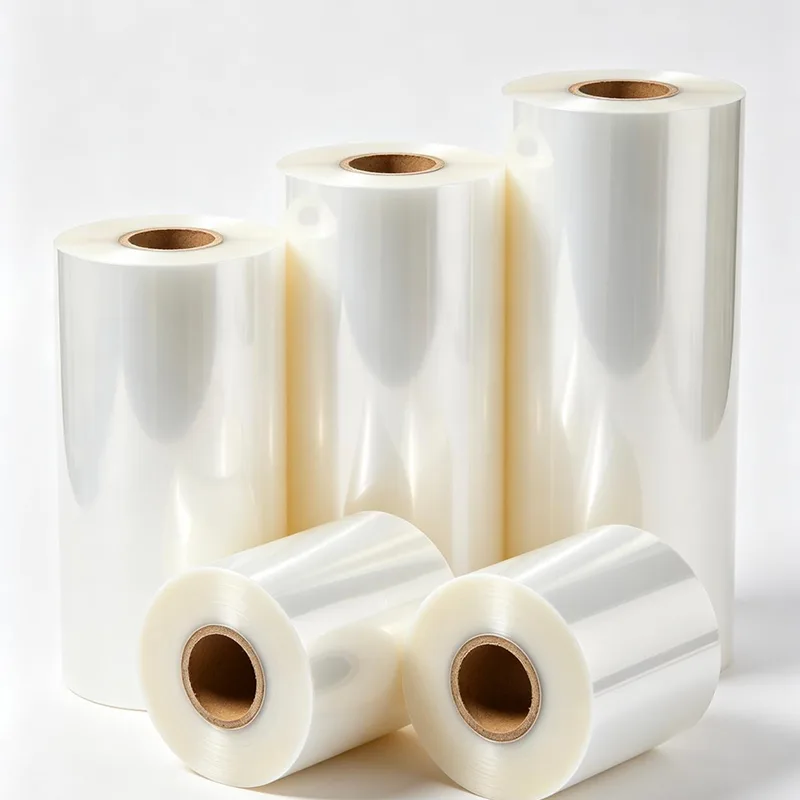
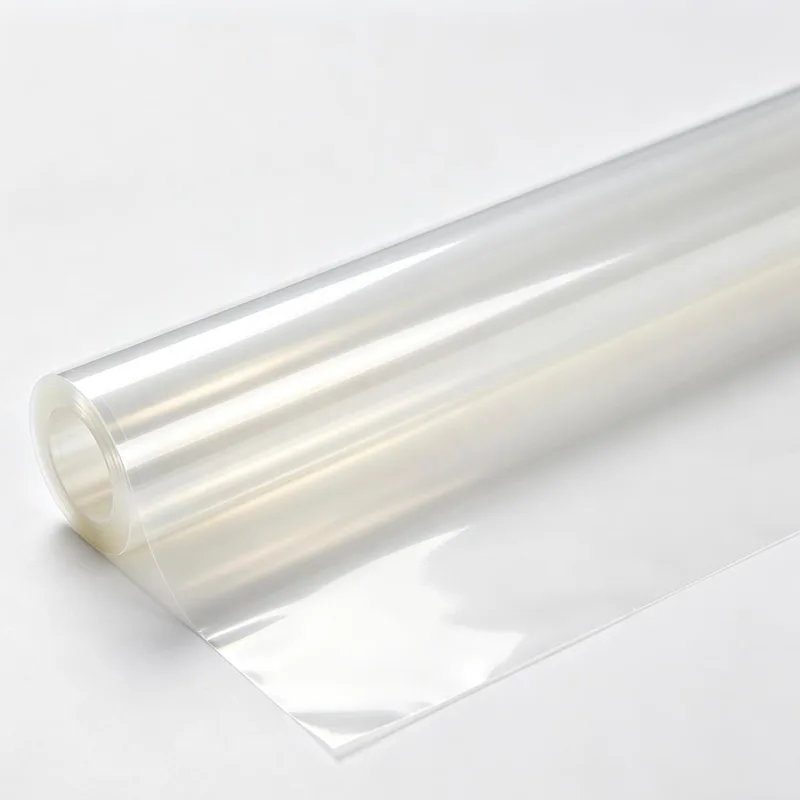
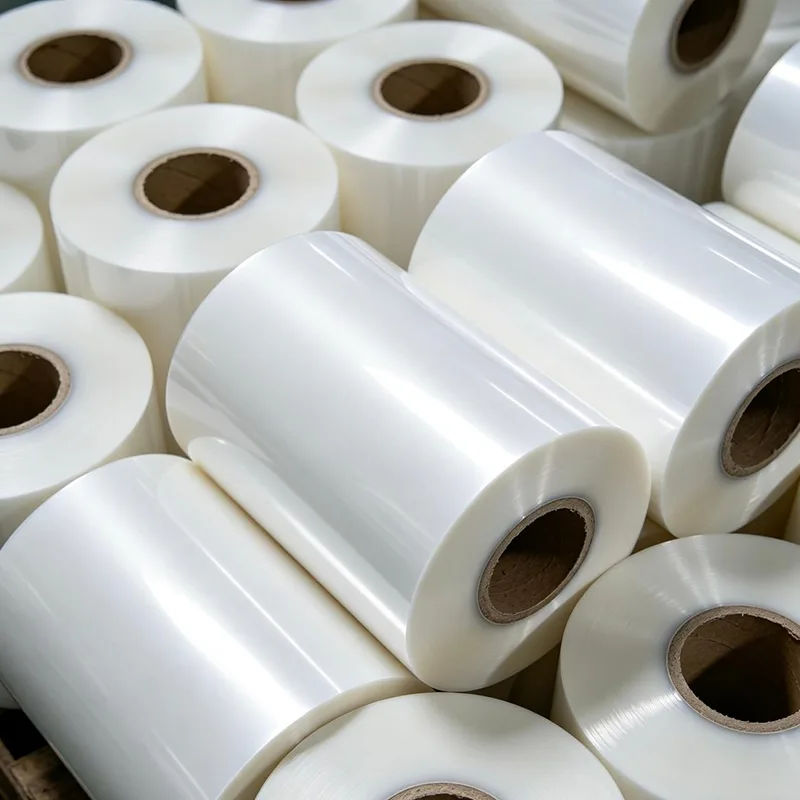
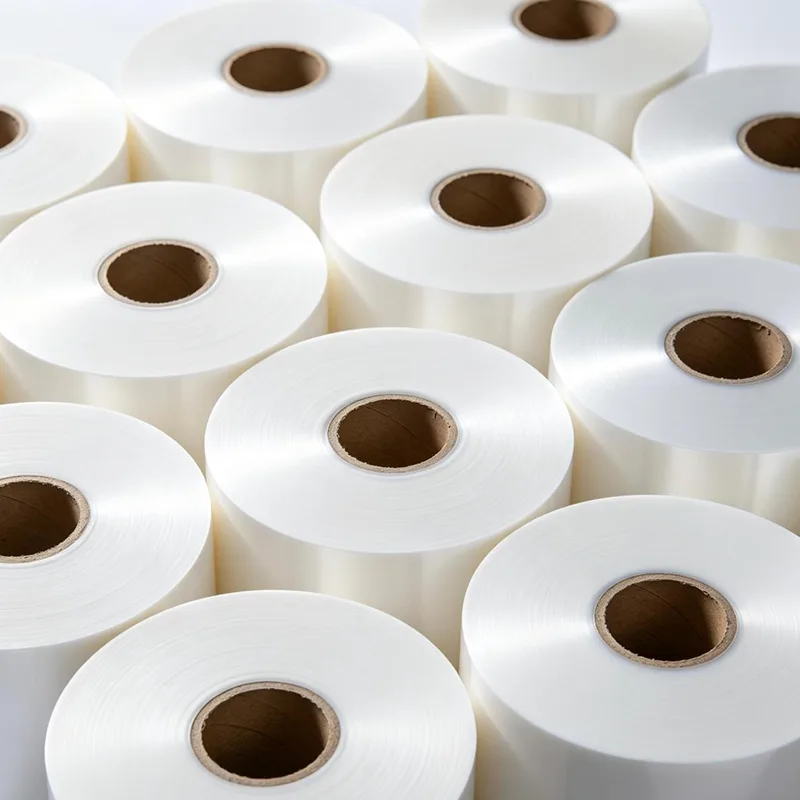
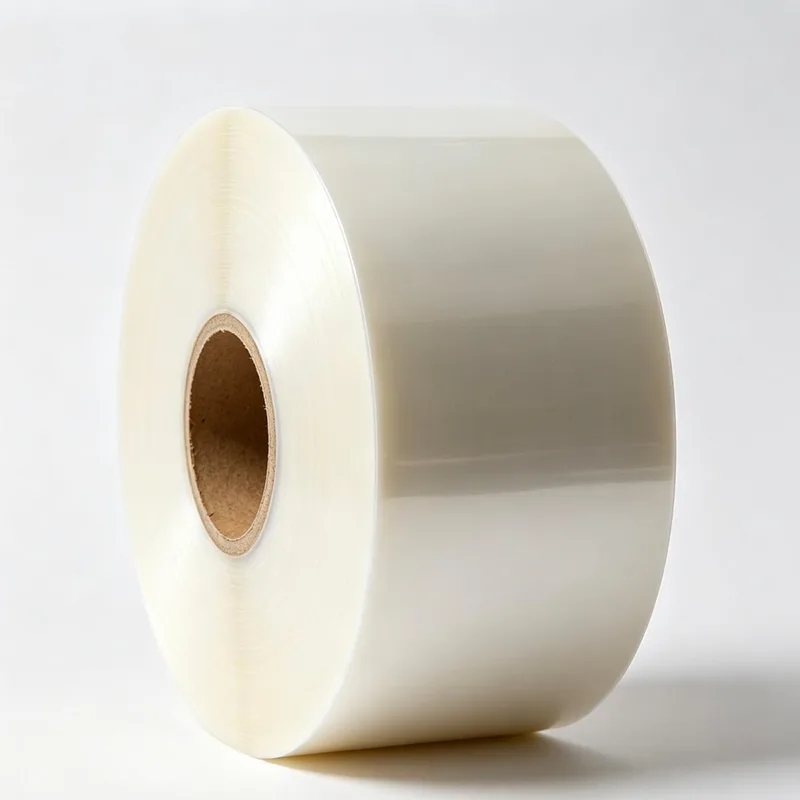
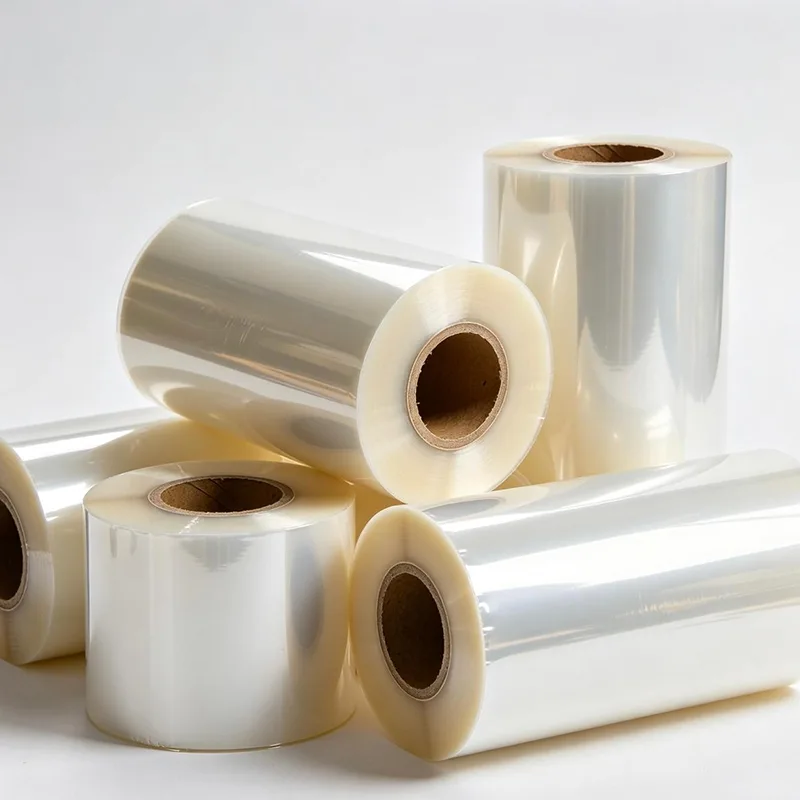
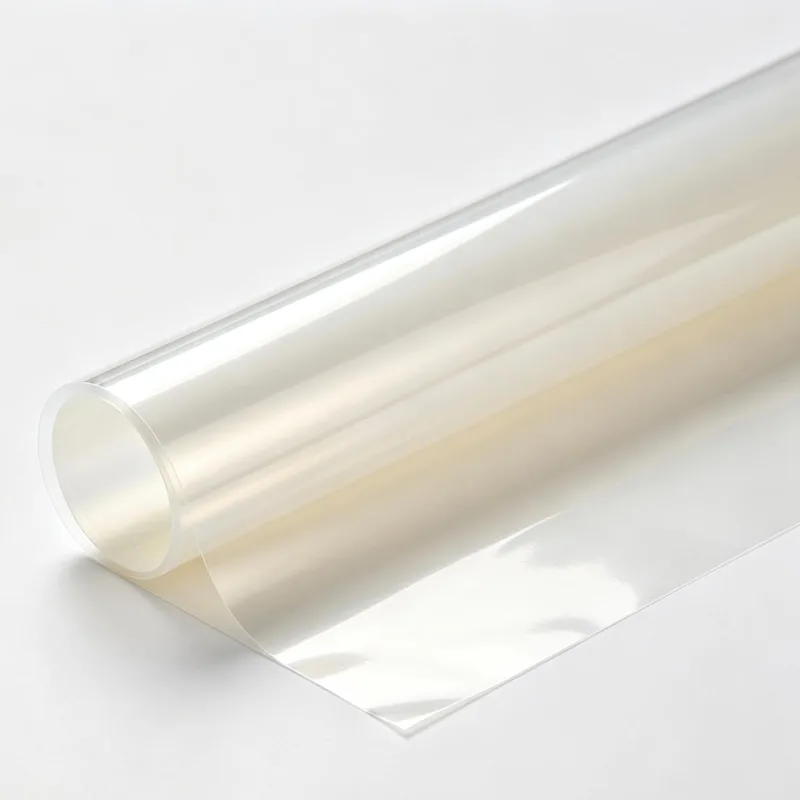
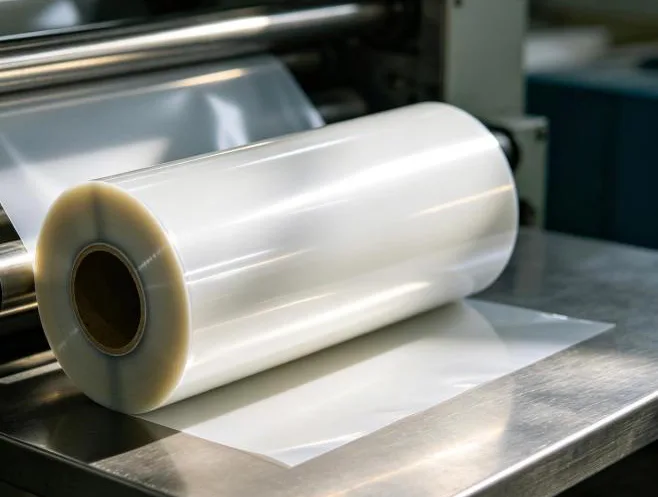
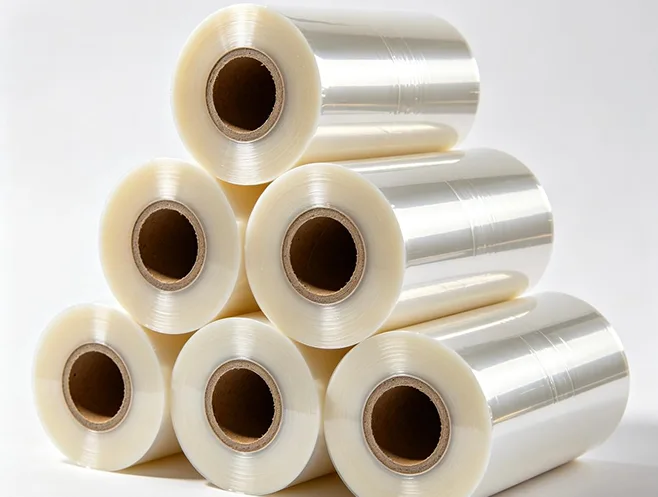
HUA HENG Low Temperature Fast Sealing BOPP Film is a heat-sealable biaxially oriented polypropylene film developed for modern packaging operations. It is designed to provide reliable sealing performance at a lower temperature than conventional heat-sealing materials, helping packaging manufacturers balance production speed, sealing quality, energy consumption, and product protection.
Traditional packaging films may require relatively high sealing temperatures before the sealing layer becomes sufficiently soft to form a stable bond. In continuous production, this can increase thermal load and make process control more demanding. A low-temperature sealing structure addresses this challenge by allowing the sealing surface to respond more rapidly to applied heat.
For manufacturers operating automatic packaging equipment, this characteristic can be particularly useful. When sealing time is limited by machine speed, a film that responds quickly to heat can help maintain package integrity without requiring excessive temperature increases.
How Does Low Temperature Fast Sealing Technology Work?
The sealing performance of a BOPP film is strongly influenced by the properties and structure of its heat-seal layer. During packaging, heat and pressure are applied to the film surfaces. The sealing layer must reach an effective bonding condition within a limited time before the package moves to the next production stage.
Low-temperature sealing technology uses an optimized polymer formulation and heat-seal layer structure to reduce the temperature required to establish an effective seal. According to HUA HENG's product specifications, the film has an approximate heat seal initiation temperature of 105°C.
This faster thermal response can provide several practical benefits:
- Shorter sealing response time.
- More stable sealing during continuous production.
- Reduced dependence on excessively high sealing temperatures.
- Better tolerance to changes in machine speed and operating conditions.
- Lower risk of incomplete bonding caused by insufficient heat.
The result is a packaging material designed to support both productivity and sealing reliability, especially where packaging machines operate at high speed.
What Are the Key Technical Specifications?
When evaluating a heat-sealable BOPP film, packaging engineers normally consider thickness, sealing temperature, seal strength, tensile properties, optical performance, surface treatment, and equipment compatibility. The following specifications provide a useful reference for evaluating the HUA HENG solution.
| Technical Item | Specification | Packaging Significance |
|---|---|---|
| Material | Food Grade BOPP | Suitable for flexible packaging applications where BOPP performance is required |
| Film Structure | Single-side / Double-side heat sealable | Provides options for different packaging structures |
| Thickness | 18–50 μm | Allows selection according to packaging and mechanical requirements |
| Heat Seal Initiation Temperature | Approx. 105°C | Supports lower-temperature sealing processes |
| Heat Seal Strength | ≥2.5 N/15 mm at 105°C, 0.3 s | Helps maintain package seal integrity |
| Tensile Strength | MD ≥120 MPa / TD ≥200 MPa | Supports mechanical performance during converting and packaging |
| Haze | ≤2.0% | Supports clear and visually appealing packaging |
| Surface Tension | ≥38 mN/m on printing side | Supports printing and downstream converting requirements |
| Equipment Compatibility | Automatic packaging lines, flow wrapping, VFFS | Suitable for automated high-efficiency packaging operations |
For manufacturers with specific packaging requirements, film thickness, sealing temperature range, and film structure can be customized according to the intended application and equipment conditions.
How Does It Improve Packaging Efficiency?
Energy consumption is an important consideration for packaging plants operating continuously. Heating systems must repeatedly bring sealing components and packaging materials to the required operating temperature. Even a moderate reduction in sealing temperature can therefore contribute to lower thermal demand across long production cycles.
The main efficiency advantages include:
- Lower thermal demand: The film can form an effective seal at a relatively low temperature, reducing unnecessary heating requirements.
- Shorter sealing cycles: Faster heat response can support packaging processes where sealing time is limited.
- More stable production: Consistent sealing behavior can reduce the need for frequent machine parameter adjustments.
- Reduced overheating risk: Lower operating temperatures can help reduce excessive thermal exposure to packaging materials and sensitive products.
- Better cost control: Improved sealing efficiency can support manufacturers seeking to optimize energy and production costs.
These benefits become more relevant as production volume increases. A packaging line running for extended shifts can magnify the operational impact of heating efficiency and sealing stability.
Why Is It Suitable for High-Speed Packaging?
High-speed packaging is not simply a matter of increasing machine speed. Every material used on the line must respond quickly enough to maintain synchronization with the equipment. If the sealing layer requires excessive heating time, increasing production speed may result in incomplete seals, leakage, wrinkles, or inconsistent package appearance.
Low Temperature Fast Sealing BOPP Film is designed around this requirement. Its heat-seal layer responds rapidly during the sealing cycle, making it suitable for automatic packaging lines, flow wrapping equipment, and vertical form-fill-seal systems.
For packaging engineers, the practical objective is to achieve a stable balance between:
- Machine speed
- Sealing temperature
- Dwell time
- Pressure
- Seal strength
- Film tension
Correct optimization of these parameters can help manufacturers increase productivity without simply compensating for higher machine speeds by continuously raising sealing temperature.
Which Packaging Applications Can Use It?
The combination of BOPP's mechanical properties and low-temperature heat-sealing performance makes this film suitable for a range of flexible packaging applications. HUA HENG specifically identifies food, daily chemical, and industrial packaging as potential application areas.
Potential applications include:
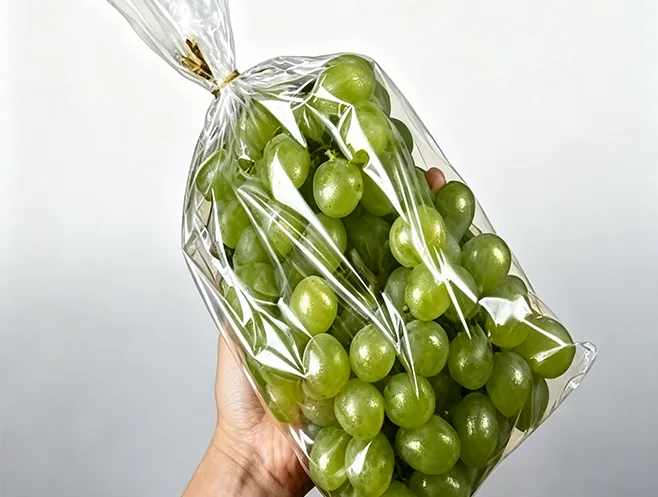
- Food and confectionery packaging
- Chocolate packaging
- Frozen food packaging
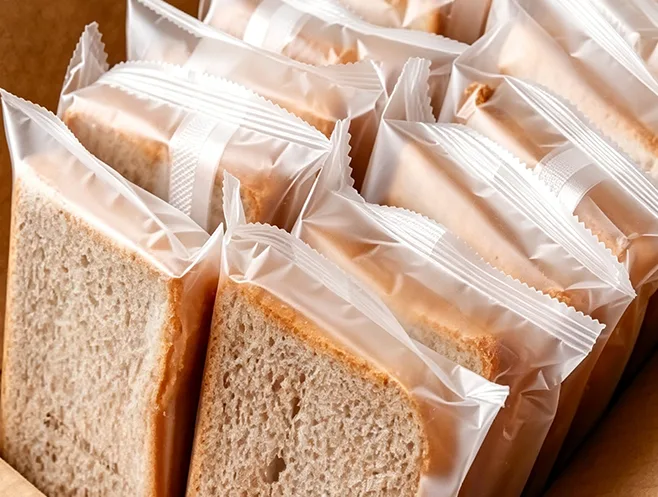
- Bakery product packaging
- Daily chemical product packaging
- General industrial packaging
- Automatic flow-wrapped products
- VFFS packaged products
Lower sealing temperatures can also be valuable for products that may be affected by excessive thermal exposure. For example, delicate food products may require careful temperature management to help preserve appearance, texture, and overall package presentation.
How Should Manufacturers Select the Right Film?
Selecting a BOPP sealing film should involve more than comparing price per kilogram. The film needs to match the packaging machine, product characteristics, package structure, and required production speed.
Before purchasing, manufacturers should evaluate:
- Required sealing temperature: Confirm the operating temperature range supported by the packaging equipment.
- Sealing speed: Determine the required dwell time and production speed of the packaging line.
- Film thickness: Select a thickness appropriate for mechanical strength, package structure, and converting requirements.
- Seal strength: Confirm that the film can provide sufficient bonding performance for the packaged product.
- Surface properties: Consider printing, lamination, friction, and downstream converting requirements.
- Machine compatibility: Test the film on the actual flow wrapping, VFFS, or automatic packaging equipment before full-scale production.
- Customization: For specialized packaging lines, discuss film structure and sealing parameters with the manufacturer.
For buyers comparing different heat sealable BOPP film solutions, testing actual sealing performance under production conditions is an effective way to identify the most suitable specification.
Frequently Asked Questions
What is the heat seal initiation temperature of this BOPP film?
The stated heat seal initiation temperature is approximately 105°C. Actual operating conditions should be optimized according to packaging machine configuration, film structure, dwell time, pressure, and the packaged product.
What thicknesses are available?
The specified thickness range is 18–50 μm. Customized thickness specifications may be available according to the packaging application and equipment requirements.
Can this film be used on VFFS packaging machines?
Yes. The product is specified as compatible with automatic packaging lines, flow wrapping machines, and vertical form-fill-seal (VFFS) systems. Machine-specific testing is recommended before commercial production.
What is the heat seal strength?
The stated heat seal strength is ≥2.5 N/15 mm when tested at 105°C with a 0.3-second sealing time. Actual package performance can vary depending on equipment settings and packaging structure.
Is the film suitable for heat-sensitive products?
Its lower sealing temperature can help reduce thermal exposure during packaging, making the material potentially useful for products such as confectionery, chocolate, frozen food, and bakery products where excessive sealing heat may be undesirable.
Conclusion: Can Low-Temperature Sealing Improve Modern Packaging?
Low-temperature sealing technology provides packaging manufacturers with a practical way to balance production speed, energy efficiency, and sealing reliability. With an approximate 105°C heat seal initiation temperature, a 18–50 μm thickness range, and compatibility with automatic packaging, flow wrapping, and VFFS systems, HUA HENG Low Temperature Fast Sealing BOPP Film is designed for manufacturers seeking efficient flexible packaging performance.
For companies upgrading packaging lines or evaluating materials for high-speed production, the right film specification should be selected according to machine parameters, product sensitivity, required seal strength, and production conditions. To discuss customized specifications, bulk supply, samples, or technical requirements, contact us at HUA HENG and explore a BOPP film solution matched to your packaging process.