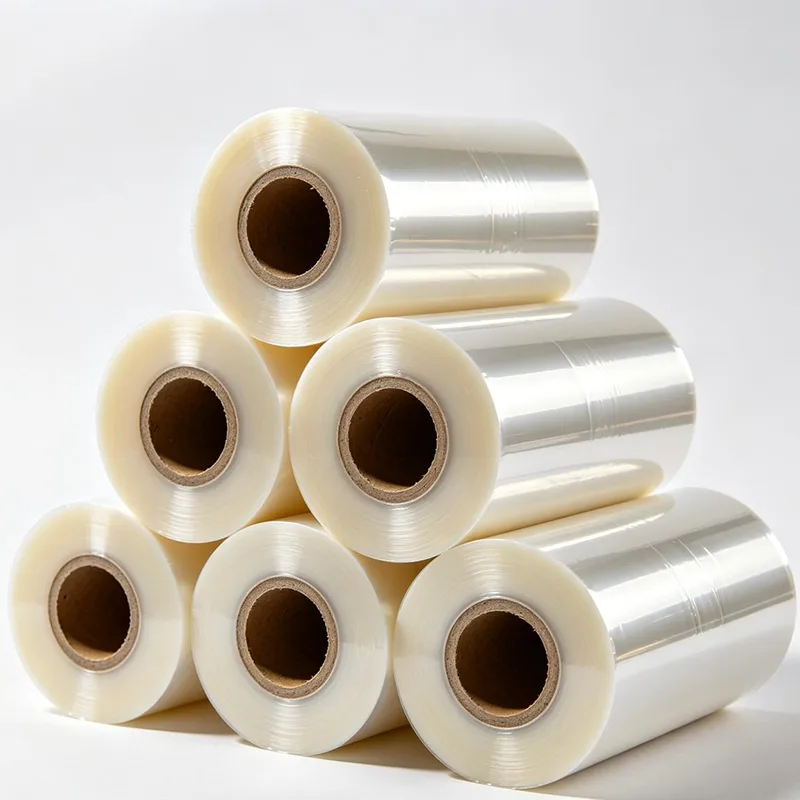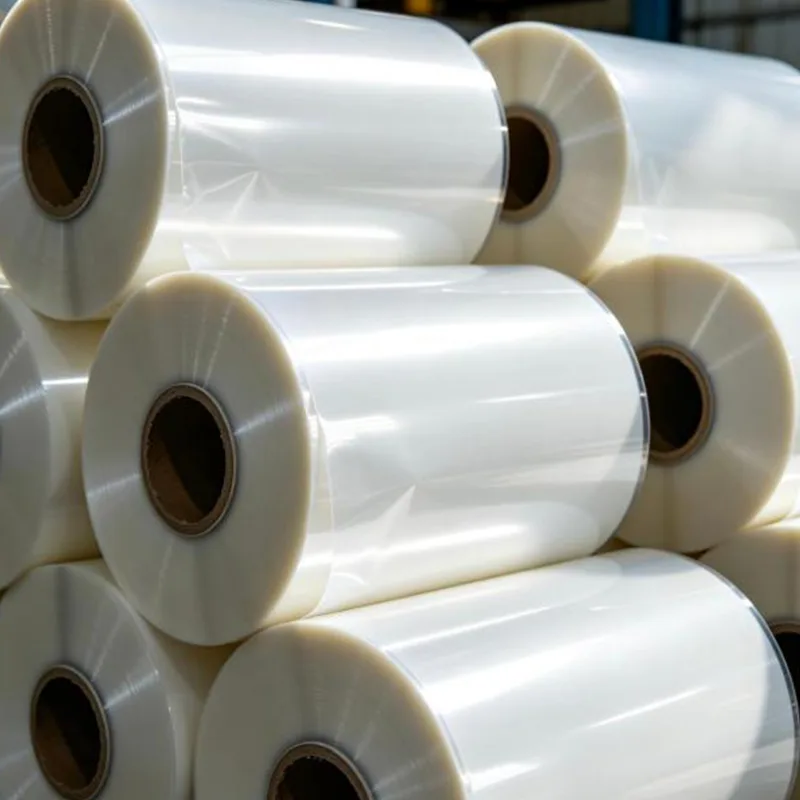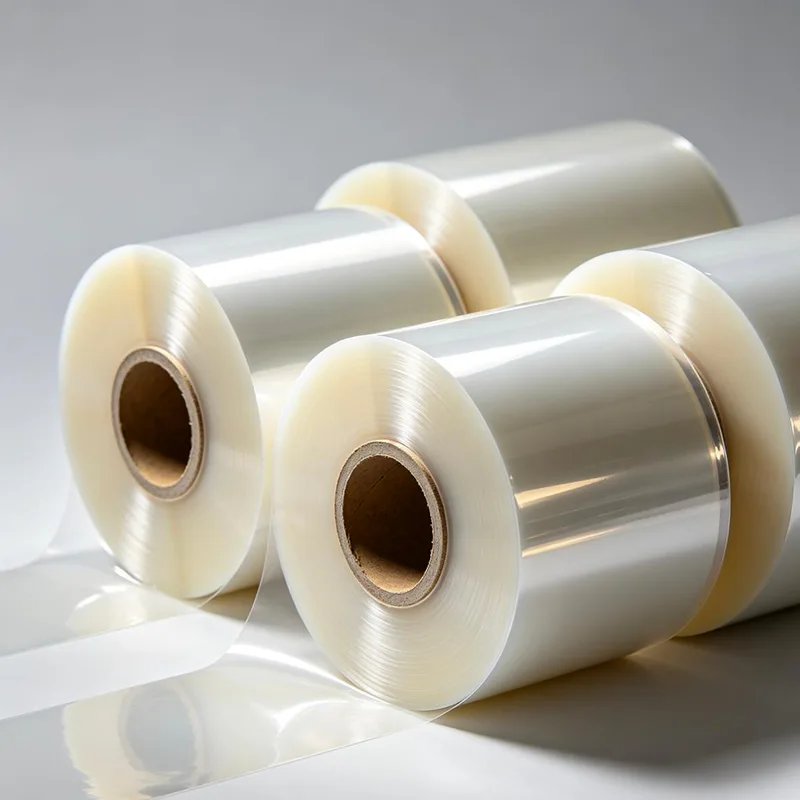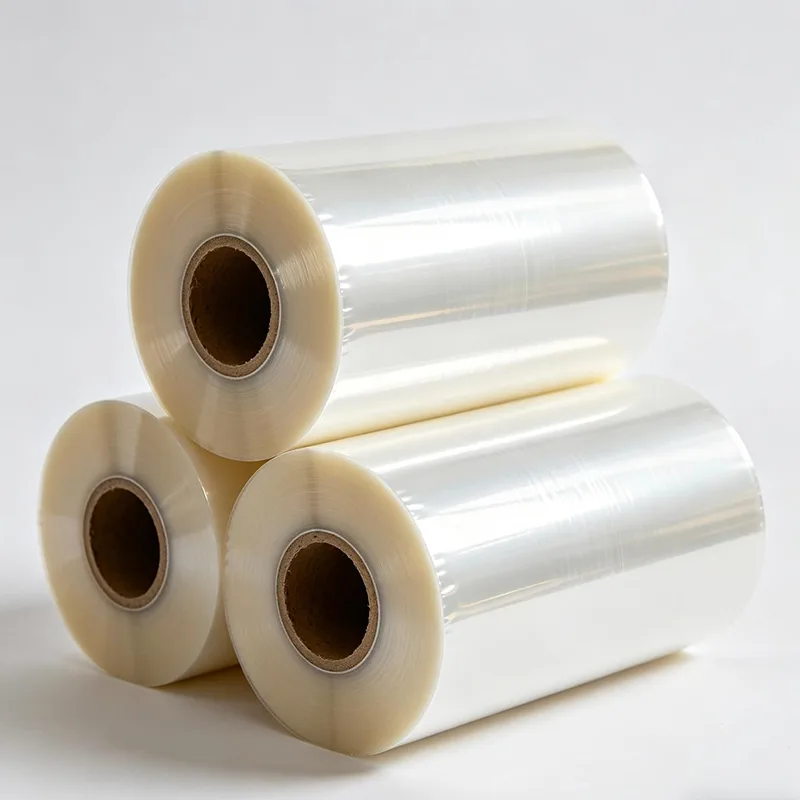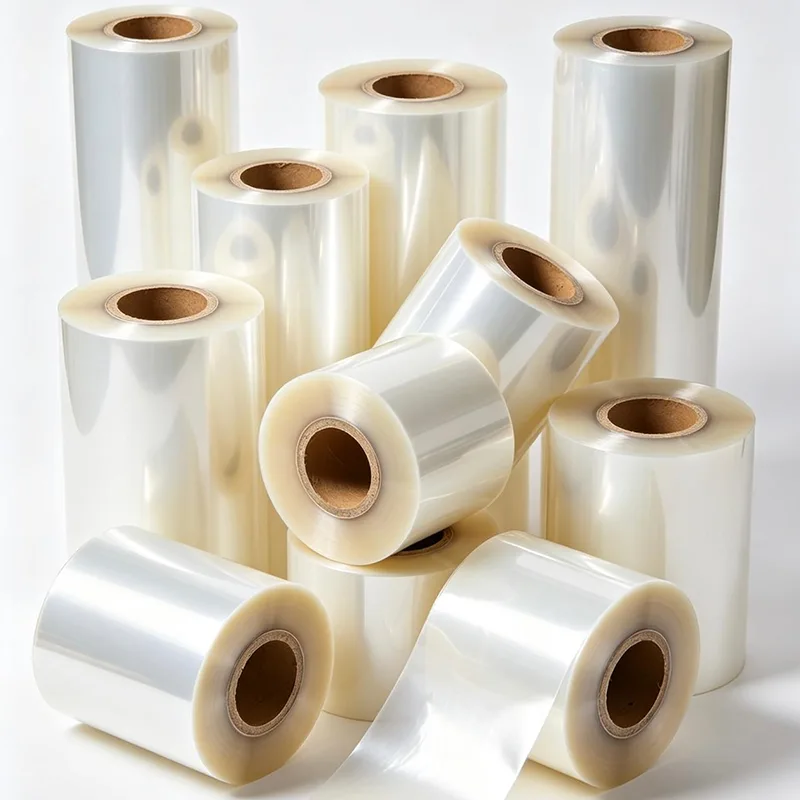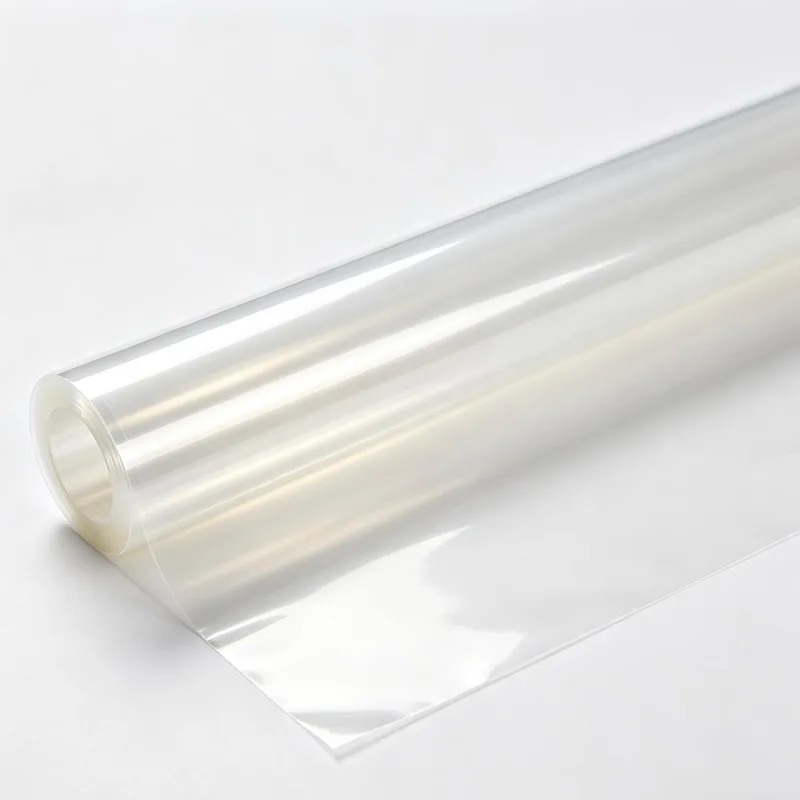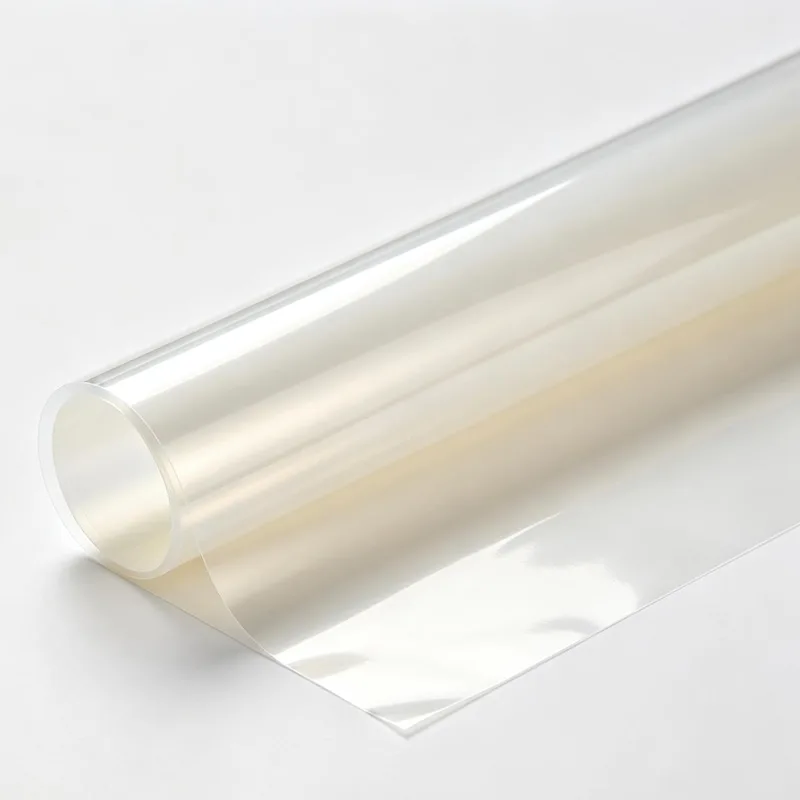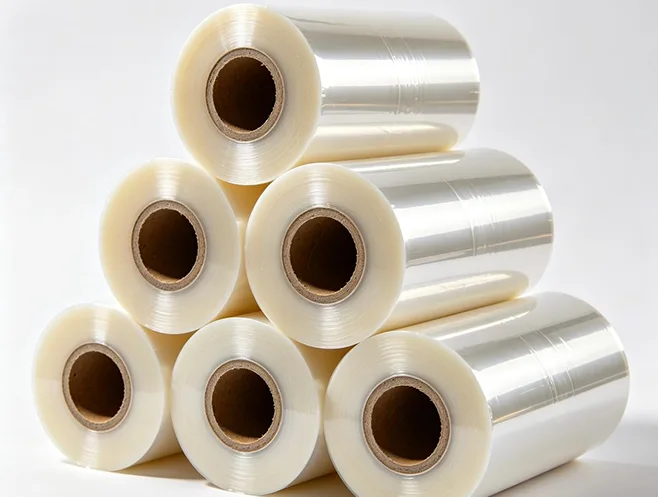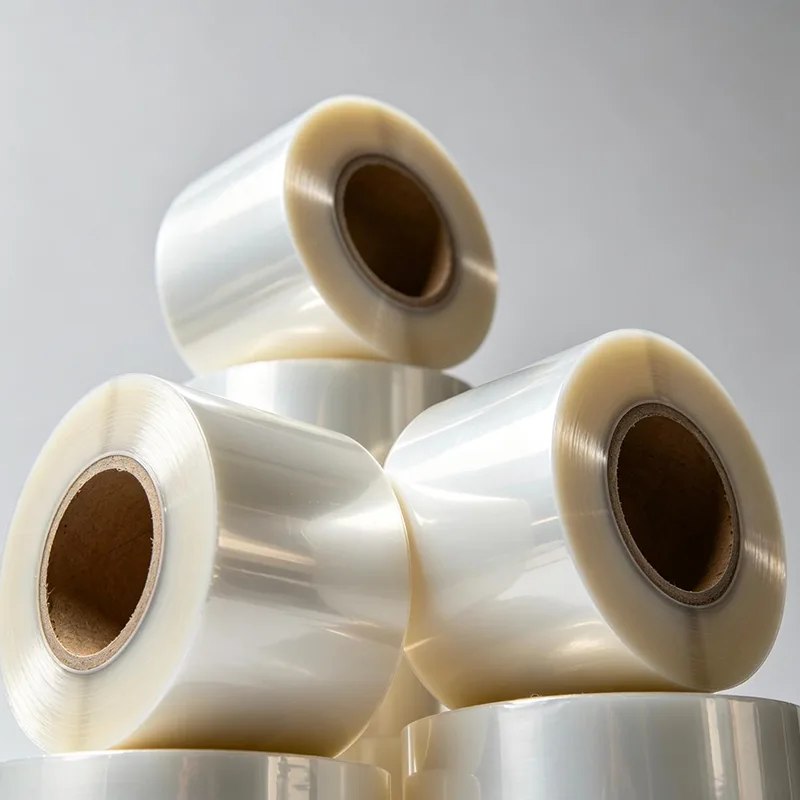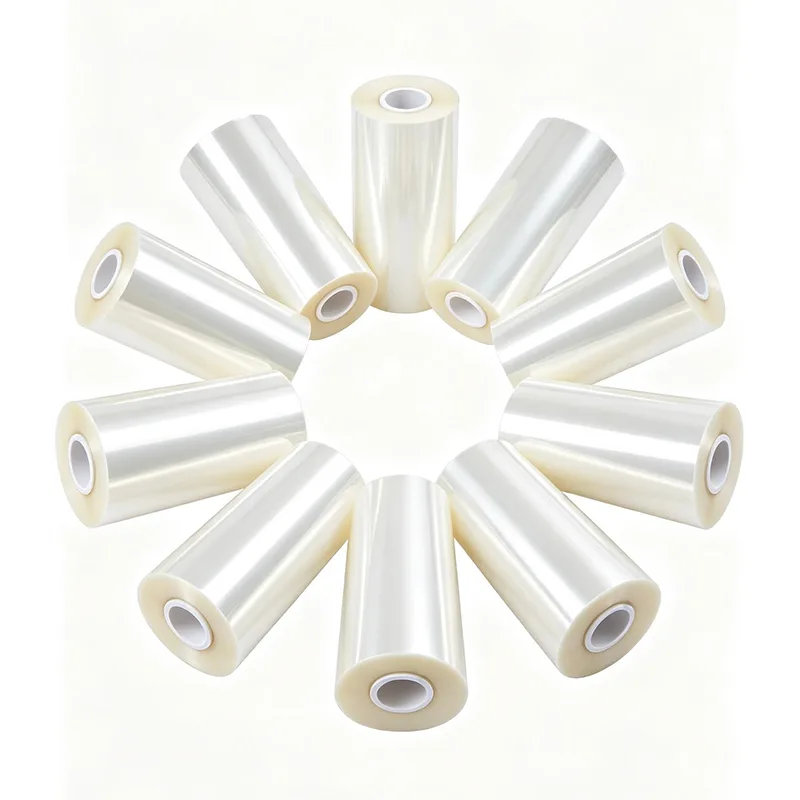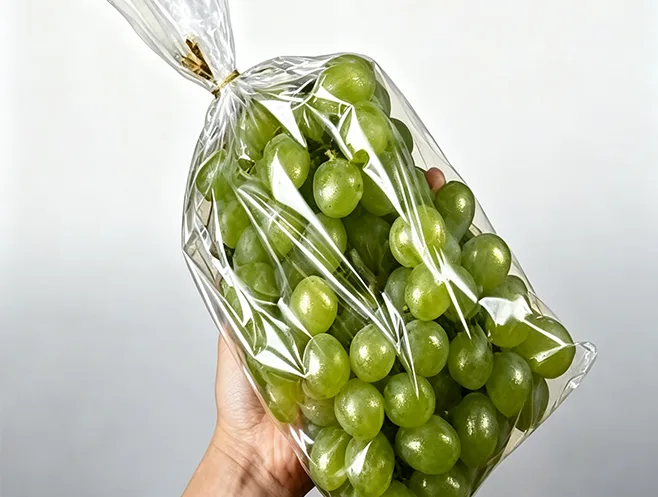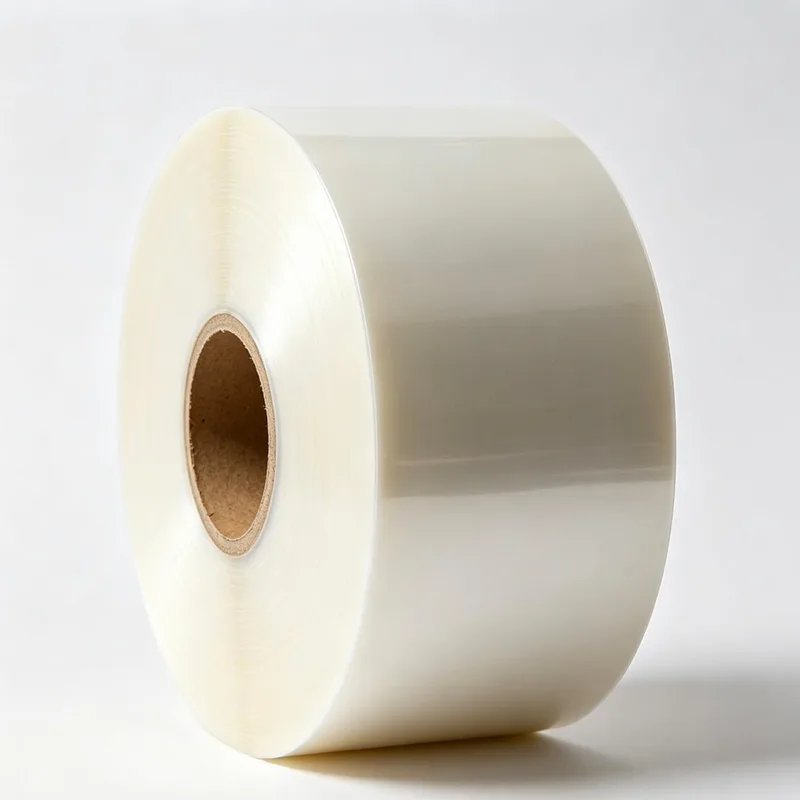
Article Summary: As flexible packaging lines become faster and more automated, film running stability, sealing consistency, surface appearance, and static control are increasingly important. HUA HENG High Slip Matte Heat-Sealable BOPP Film combines a low-friction matte surface, heat-sealable structure, controlled COF, and antistatic performance to support stable film feeding and package formation. With a thickness range of 18–50 μm, COF of 0.15–0.25, and heat seal strength of ≥2.0 N/15 mm, it is designed for VFFS, HFFS, and other automatic flexible packaging applications.
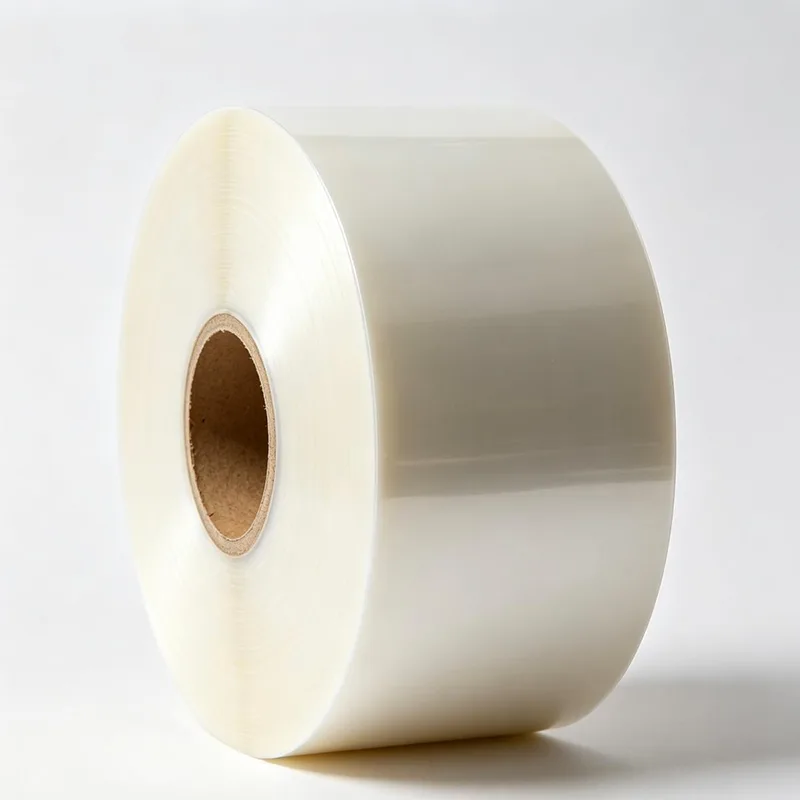
Table of Contents
- Why Does Film Running Stability Matter in Modern Packaging?
- How Does High Slip Technology Improve Film Performance?
- Why Is Antistatic Performance Important?
- What Are the Key Technical Specifications?
- Where Can the Film Be Used?
- How Should Packaging Manufacturers Select the Right Film?
- What Supports Consistent Film Supply?
- Frequently Asked Questions
Why Does Film Running Stability Matter in Modern Packaging?
In a high-speed flexible packaging line, packaging film continuously travels through unwinding, guiding, forming, filling, sealing, and cutting stages. Even small changes in friction or film separation can influence feeding accuracy and production continuity.
This is why High Slip Matte Heat-Sealable BOPP Film is developed around more than surface appearance. Its low-friction surface helps the film move smoothly across forming collars, guides, and other machine-contact areas. At the same time, the heat-sealable layer supports rapid package formation without requiring a separate sealing material.
For packaging manufacturers, the practical objective is to achieve a balance between:
- Smooth and consistent film feeding
- Controlled surface friction
- Reliable heat sealing
- Stable film opening during unwinding
- Reduced film sticking to machine components
- Consistent appearance and handling
When these characteristics work together, packaging equipment can operate more consistently, particularly during extended production runs.
How Does High Slip Technology Improve Film Performance?
The running behavior of BOPP film is strongly influenced by its coefficient of friction, commonly abbreviated as COF. A controlled COF helps determine how easily the film slides against machine surfaces or against another film layer.
HUA HENG incorporates high-performance slip additives into the surface layer to reduce unnecessary friction. The supplied film can achieve a COF range of 0.15–0.25, while static and dynamic friction characteristics can be customized for different packaging conditions.
Lower Friction for Smoother Film Feeding
During continuous packaging, film must pass through multiple contact points. Excessive friction can increase drag and contribute to unstable film movement. A controlled low-friction surface helps the web travel more smoothly through these areas.
Reduced Sticking During Sealing and Forming
Film sticking can interfere with stable movement, especially when packaging machines operate at high speeds. Proper slip performance reduces unnecessary adhesion between the film and machine components.
More Stable High-Speed Operation
Packaging equipment is increasingly designed for automated, continuous production. Stable film running becomes particularly important when the production line must maintain consistent feeding over long operating periods.
For this reason, slip performance should be evaluated together with film thickness, sealing temperature, machine configuration, and packaging material requirements rather than considered as an isolated specification.
Why Is Antistatic Performance Important?
Static electricity can develop when film layers repeatedly contact and separate from one another during unwinding and high-speed processing. Excessive static may cause film layers to cling together, attract dust, or interfere with automatic feeding.
HUA HENG uses antistatic masterbatch as part of the film formulation to help dissipate accumulated static during processing. This complements the slip properties and provides a more complete approach to film handling.
Antistatic performance can be particularly useful when:
- Film layers need to separate consistently during unwinding.
- Static causes the film to attract dust or lightweight particles.
- Automatic feeding is affected by film adhesion.
- Film buildup around machine components needs to be minimized.
- Long production runs require stable film opening and handling.
The combination of controlled slip and antistatic properties can therefore address two common causes of unstable film handling in automated packaging.
What Are the Key Technical Specifications?
Technical parameters help packaging engineers determine whether a BOPP film is compatible with a specific packaging machine and product. The following specifications provide a practical reference for HUA HENG's film.
| Item | Specification |
|---|---|
| Material | Food-grade BOPP |
| Structure | Single-sided / Double-sided heat sealable |
| Thickness | 18–50 μm |
| COF | 0.15–0.25 |
| COF Customization | Static / Dynamic COF available |
| Heat Seal Strength | ≥ 2.0 N/15 mm |
| Heat Sealing Condition | 125°C, 0.3 s |
| Transmittance | ≥ 80% |
| Haze | ≤ 2.5% |
| Tensile Strength – MD | ≥ 120 MPa |
| Tensile Strength – TD | ≥ 200 MPa |
| Wetting Tension | ≥ 38 mN/m |
| Applications | VFFS, HFFS and automatic flexible packaging |
These parameters should be treated as a starting point for application evaluation. Actual packaging performance also depends on the machine, sealing jaw design, packaging speed, product characteristics, and processing conditions.
Where Can the Film Be Used?
The combination of heat sealing, controlled slip, matte appearance, and antistatic performance makes the film suitable for multiple flexible packaging segments.
Food Packaging
Typical applications include snacks, biscuits, confectionery, nuts, puffed foods, and other packaged foods. Smooth film feeding can support continuous automated packaging, while heat sealing helps create closed packages with consistent seals.
Daily Consumer Products
The film can be used for packaging tissues, wet wipes, cosmetics, personal care products, and household goods. Its matte surface provides a controlled visual finish while its slip properties support automatic film movement.
Pharmaceutical and Healthcare Packaging
Selected pharmaceutical and healthcare applications can benefit from controlled film handling, stable opening, and reliable sealing. Application-specific testing is recommended before commercial production.
Frozen and Chilled Food
Flexible packaging for frozen dumplings, pastries, and similar products requires dependable sealing and stable film running. A controlled surface COF can help packaging equipment maintain consistent film movement.
Printed Flexible Packaging
Where packaging appearance matters, the matte surface can provide a distinctive visual finish while maintaining the functional characteristics required for automated packaging processes.
How Should Packaging Manufacturers Select the Right Film?
Selecting a BOPP film should begin with the complete packaging process rather than focusing on a single specification. Packaging engineers should consider how the film interacts with the machine, sealing system, product, and downstream process.
- Check the packaging machine: Confirm whether the line uses VFFS, HFFS, or another automatic packaging configuration.
- Define the required COF: Film friction should match the forming, guiding, and feeding conditions of the machine.
- Confirm sealing requirements: Evaluate sealing temperature, dwell time, pressure, and required seal strength.
- Select suitable thickness: Choose film thickness according to mechanical strength, packaging design, and production requirements.
- Evaluate static behavior: Antistatic performance can be particularly important for high-speed unwinding and film separation.
- Run machine trials: Sample testing can reveal feeding, opening, sealing, and packaging compatibility before bulk production.
This application-based selection process can help reduce trial-and-error during material qualification and improve compatibility between packaging film and production equipment.
What Supports Consistent Film Supply?
For packaging manufacturers, material consistency is as important as the nominal specifications. Changes in thickness, COF, sealing behavior, or surface properties can affect machine settings and finished-package quality.
HUA HENG operates two German Bruckner BOPP production lines with a combined annual capacity of 60,000 tons. Its production and laboratory systems cover raw materials, semi-finished films, and finished products, with downstream slitting, inspection, and packaging equipment supporting order fulfillment.
Another practical advantage is specification customization. Film thickness, width, COF, heat-sealing characteristics, and antistatic performance can be adjusted according to customer requirements. Samples can also be provided for machine trials before bulk purchasing.
| Supply Consideration | HUA HENG Support |
|---|---|
| Production Capacity | Two German Bruckner BOPP lines; 60,000 tons annual combined capacity |
| Customization | Thickness, width, COF, sealing and antistatic properties |
| Sample Testing | Samples and machine-trial assistance available |
| MOQ | 1,000 kg |
| Standard Lead Time | 15–20 days after order confirmation |
| Selected Stock Specifications | 7–10 days subject to availability |
| Technical Response | Proposed solution within 24 hours for customer feedback |
For buyers comparing a heat sealable BOPP film with specialized matte or low-temperature options, application conditions should be evaluated carefully before selecting the final structure.
Frequently Asked Questions
What is High Slip Matte Heat-Sealable BOPP Film?
It is a biaxially oriented polypropylene film combining a matte surface, controlled low-friction characteristics, and a heat-sealable layer. It is designed for automatic flexible packaging where smooth film movement and reliable sealing are important.
What COF range can the film achieve?
The standard supplied film can achieve a COF of approximately 0.15–0.25. Static and dynamic COF characteristics can also be customized according to packaging equipment and application conditions.
What thicknesses are available?
The specified thickness range is 18–50 μm. The appropriate thickness depends on the packaging structure, mechanical requirements, machine conditions, and final application.
Can the film be used for VFFS and HFFS machines?
Yes. The film is designed for VFFS, HFFS, and other automatic flexible packaging applications. Machine trials are recommended to verify feeding, opening, forming, and sealing compatibility.
Does HUA HENG provide customized BOPP film?
Yes. HUA HENG can customize film thickness, width, COF, heat-sealing characteristics, and antistatic performance according to packaging requirements.
What is the minimum order quantity?
The stated MOQ is 1,000 kg. Standard lead time is generally 15–20 days after order confirmation, while selected regular specifications may be available within 7–10 days depending on stock.
Conclusion
As packaging machinery continues to move toward higher automation and faster production speeds, film running behavior has become an important part of overall packaging efficiency. A well-balanced BOPP structure needs to deliver controlled friction, stable film opening, dependable heat sealing, mechanical strength, and suitable surface characteristics. HUA HENG High Slip Matte Heat-Sealable BOPP Film is designed around these requirements, offering controlled COF, antistatic performance, customizable structures, and compatibility with VFFS and HFFS packaging systems. For packaging manufacturers looking for a China BOPP film supplier capable of supporting customized specifications, sample testing, and bulk orders, contact us to discuss your film requirements and obtain a suitable technical solution for your packaging line.