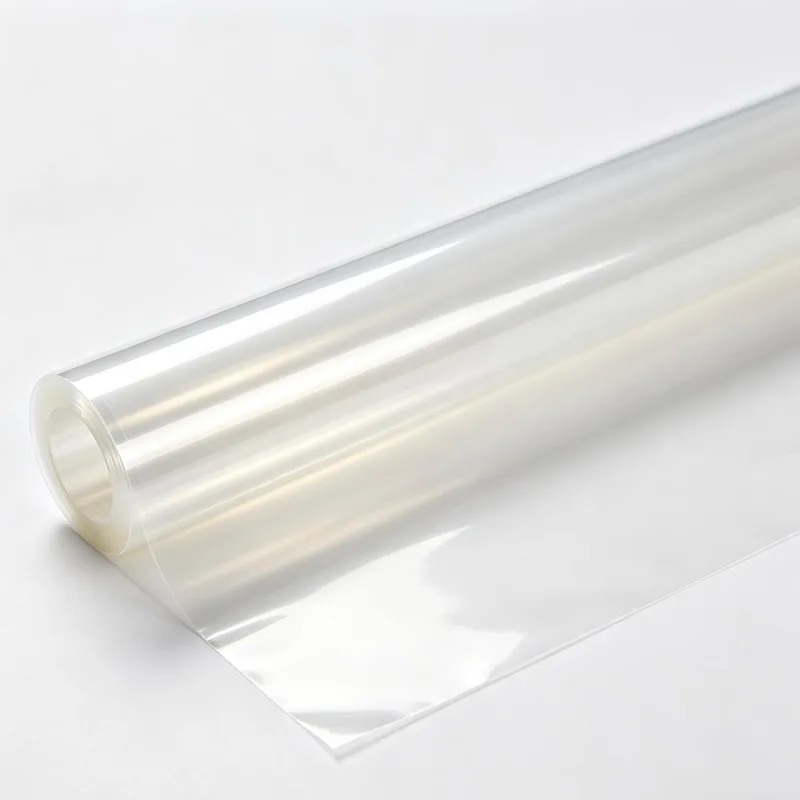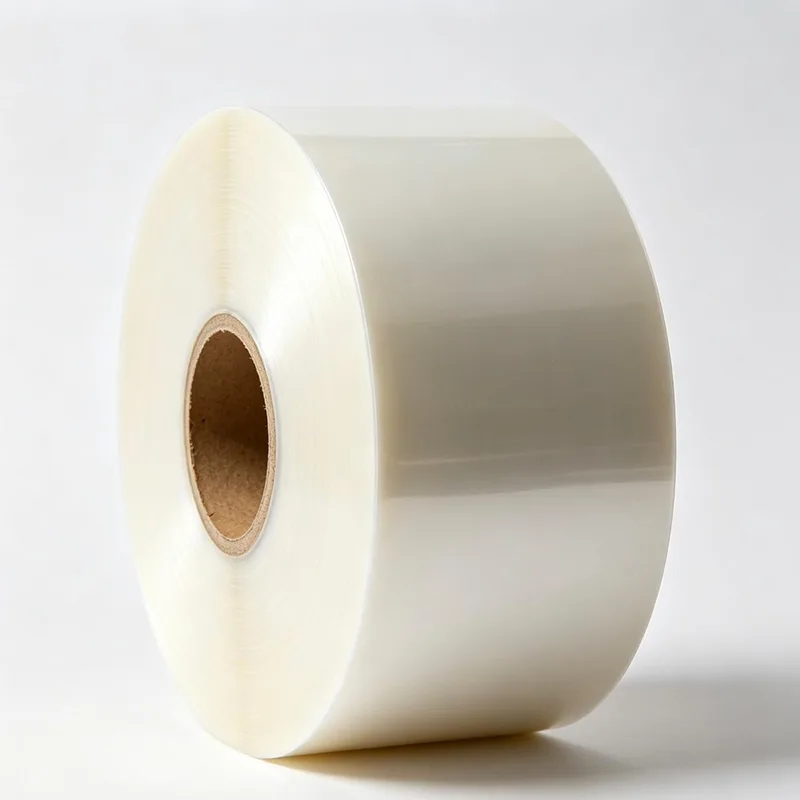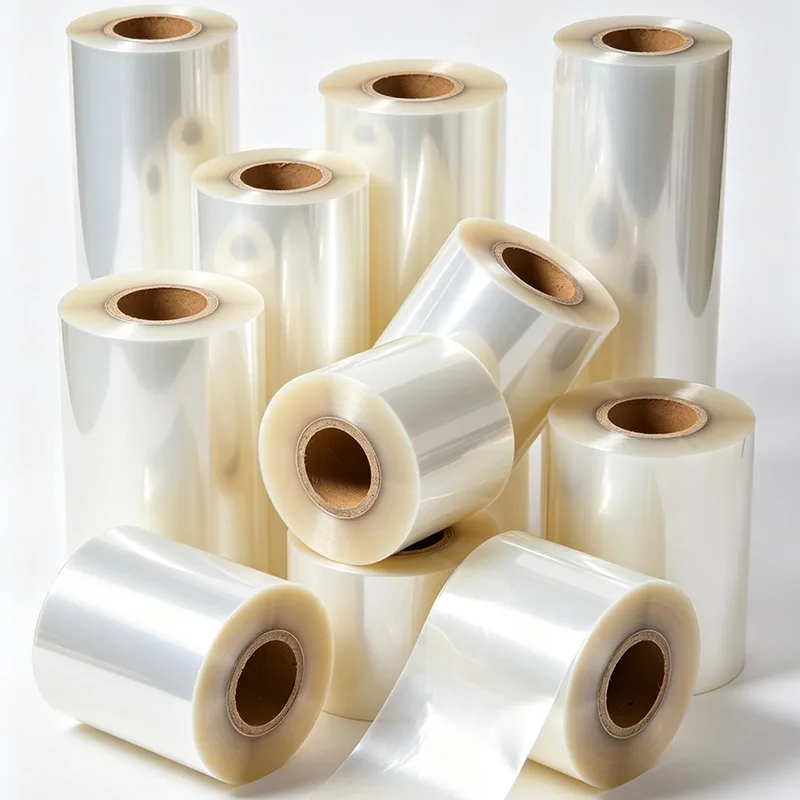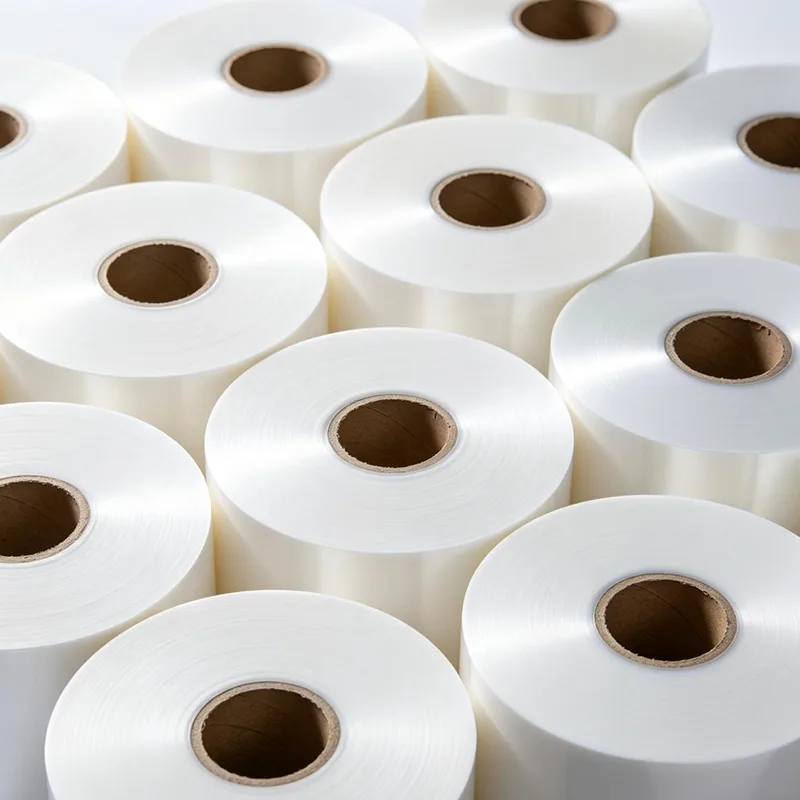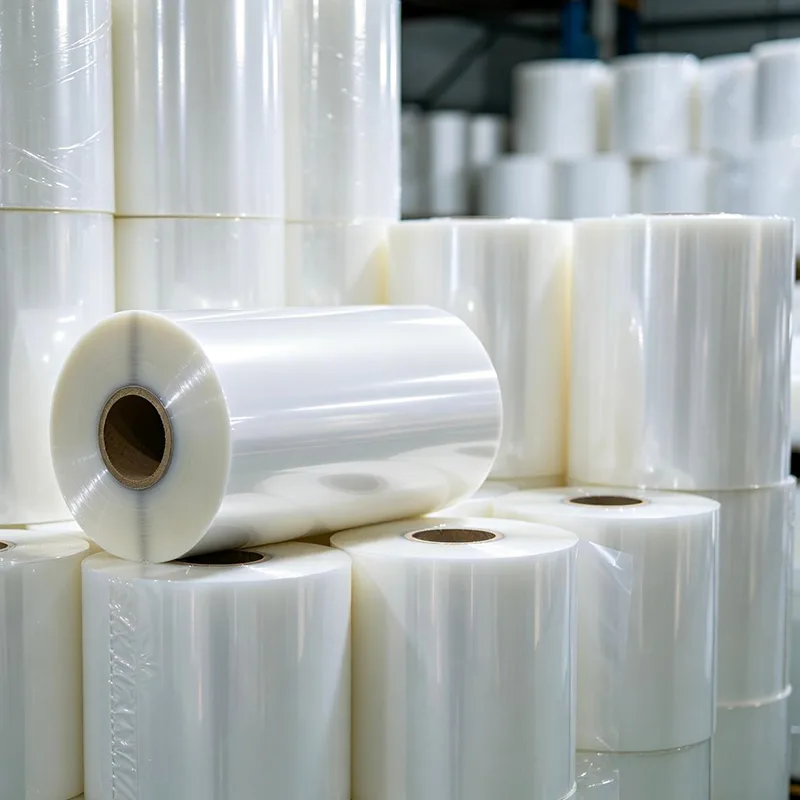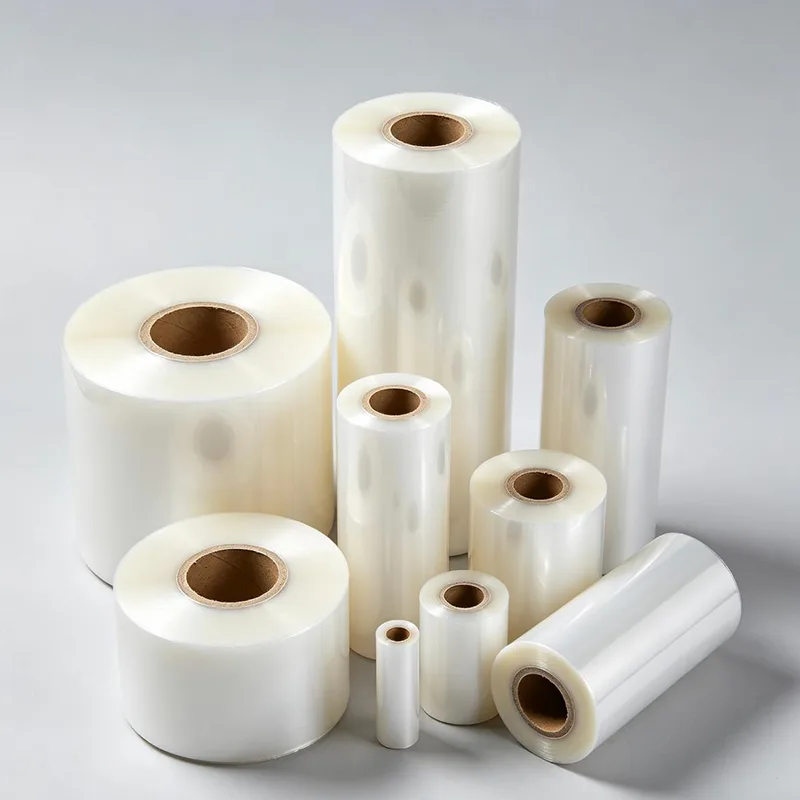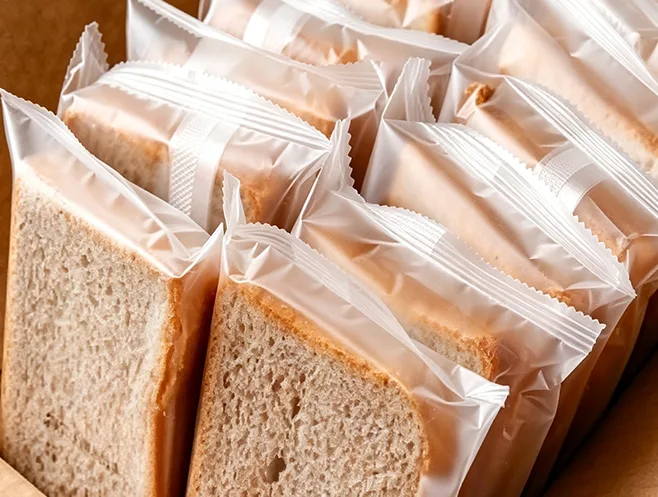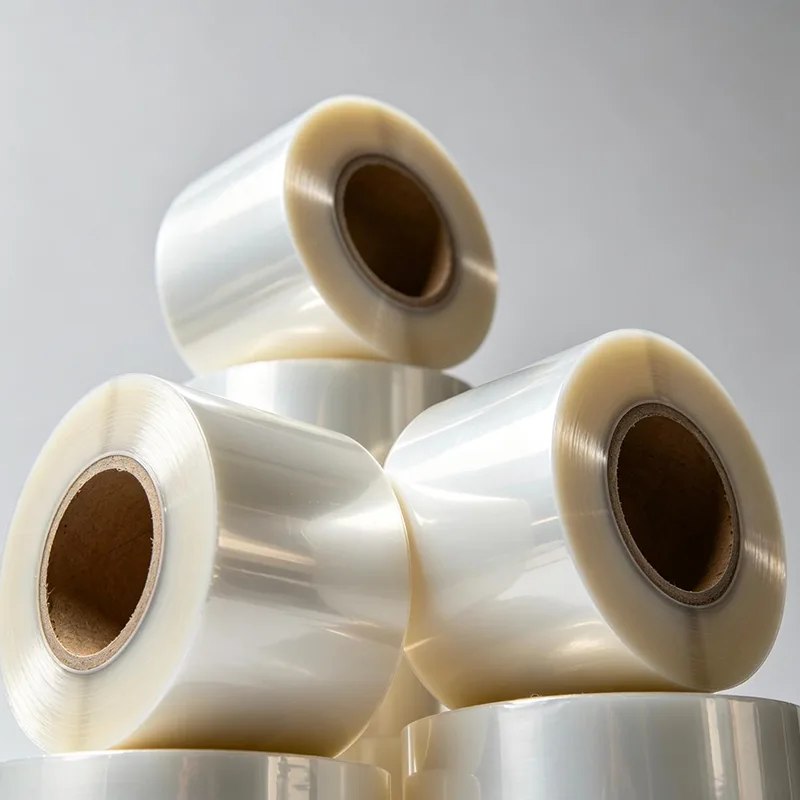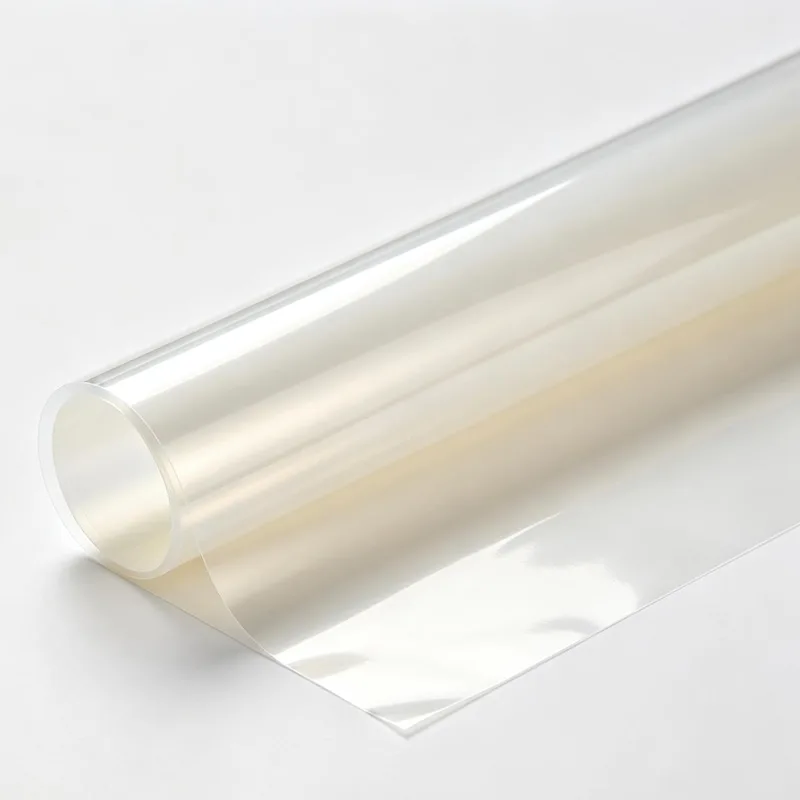
HUA HENG provides Lamination Metallizable BOPP Base Film for flexible packaging manufacturers seeking reliable aluminum adhesion, consistent film flatness, and stable downstream converting performance. Designed for vacuum metallization and subsequent lamination, this specialized substrate helps packaging converters develop attractive, lightweight structures with enhanced barrier potential and dependable production efficiency.
Lamination Metallizable BOPP Base Film is a biaxially oriented polypropylene substrate designed to receive a uniform metallic coating and perform reliably in multilayer packaging structures. Its surface characteristics, dimensional stability, and compatibility with metallization processes influence coating quality, adhesive bonding, and final package appearance. This guide explains how the material works, its principal advantages, common applications, selection criteria, and processing considerations. It also outlines how packaging manufacturers can evaluate suitable film specifications for their production lines and end-use requirements.
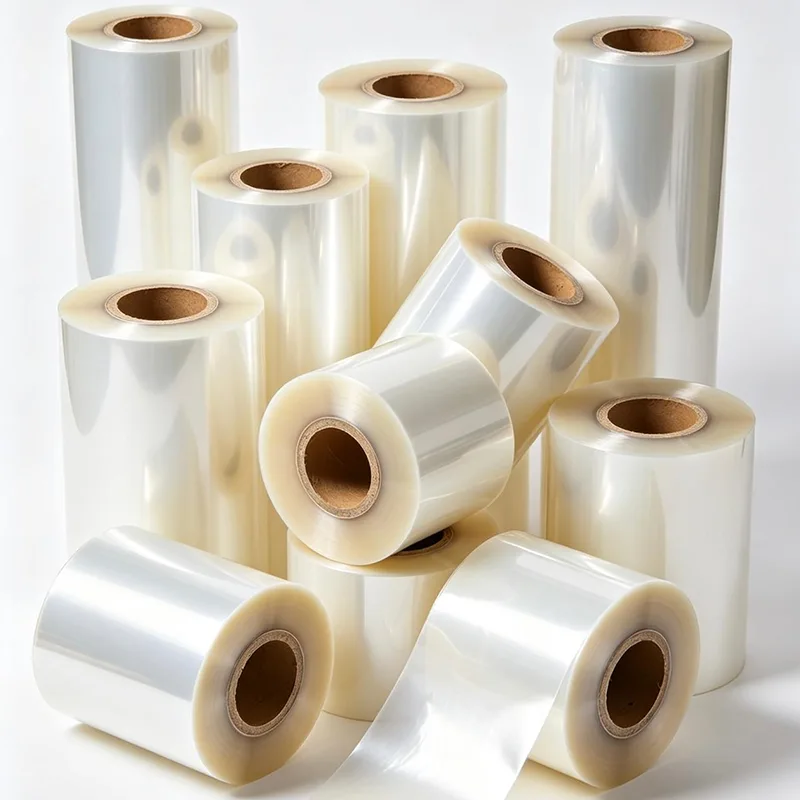
Biaxially oriented polypropylene (BOPP) film is manufactured by stretching polypropylene in both the machine direction and transverse direction. This orientation process gives the film a useful combination of tensile strength, stiffness, dimensional stability, and optical performance.
Lamination Metallizable BOPP Base Film is a specialized grade developed for vacuum metallization and subsequent integration into laminated packaging structures. During metallization, a very thin layer of aluminum is deposited onto the prepared film surface under vacuum. The resulting reflective surface can enhance package appearance while contributing to the barrier performance of the finished material structure.
Unlike ordinary BOPP film, a metallization-grade substrate must provide suitable surface characteristics for consistent metal deposition. Surface cleanliness, treatment level, roughness, and formulation all influence whether the aluminum coating forms evenly and remains securely attached.
For packaging converters, choosing the right substrate is important because defects introduced during metallization may affect printing, adhesive bonding, appearance, and the performance of the finished laminate.
Learn more about HUA HENG Lamination Metallizable BOPP Base Film and its intended packaging applications.
The production and conversion of metallizable BOPP generally involve several connected stages. Understanding these stages helps buyers identify the properties that matter most when evaluating a film supplier.
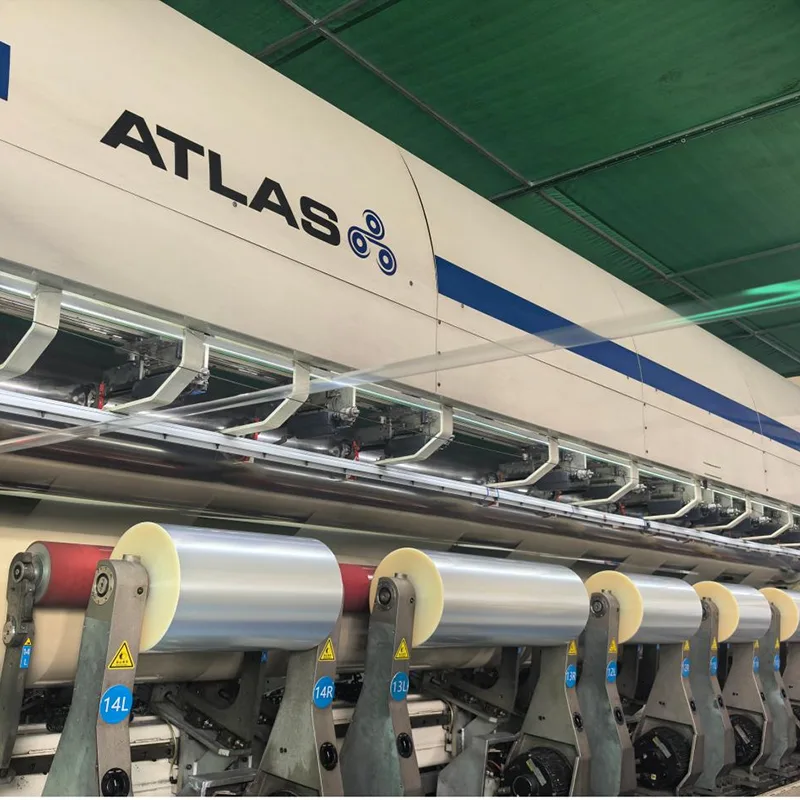
Polypropylene resin is melted and extruded into a cast sheet. The sheet is then stretched longitudinally and transversely under controlled conditions. This process develops the film's mechanical properties and helps maintain dimensional stability during subsequent processing.
The metallization surface must be clean and appropriately prepared. Corona treatment or another suitable surface treatment may be used to increase surface energy and improve the interaction between the substrate and the deposited metal. The required treatment level depends on the film grade and metallization process.
The prepared film passes through a vacuum metallization system, where aluminum is evaporated and deposited onto its surface. Uniform coating depends on substrate quality, web tension, line speed, vacuum conditions, and the metallizer's operating parameters.
After metallization, the film can be integrated with compatible packaging substrates using suitable adhesives and converting processes. Depending on the product structure, printing may take place before or after metallization. Converters should verify ink adhesion, adhesive compatibility, and curing requirements before commercial production.
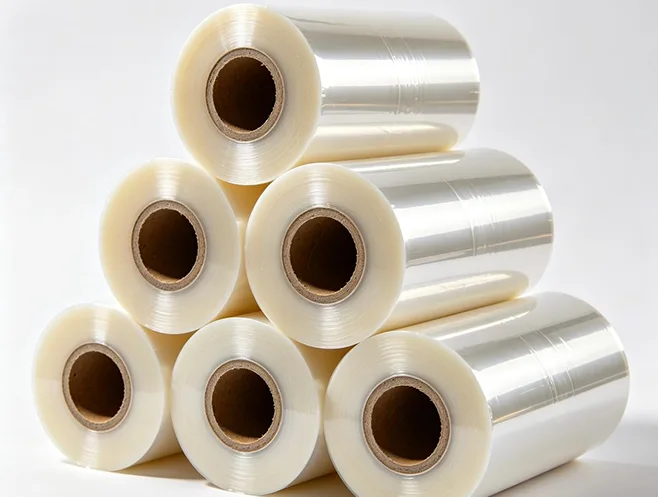
The converted material is slit into the required widths and prepared for packaging operations. Stable winding, clean roll edges, and careful handling help reduce contamination and processing interruptions.
The value of metallizable BOPP base film comes from the combined performance of the substrate, deposited metal layer, and final laminate. The following characteristics are particularly important during material selection.
A suitable metallization surface supports consistent aluminum deposition and helps reduce the risk of metal-layer separation. Strong interfacial bonding is important when the finished film undergoes printing, lamination, slitting, and package formation.
Surface defects, contamination, or excessive roughness can contribute to uneven metal coverage. A carefully controlled substrate helps converters pursue a more uniform metallic appearance and reduce avoidable coating defects.
BOPP's oriented structure provides useful stiffness and dimensional stability. When the film grade is matched to the production conditions, it can support stable web handling and efficient downstream processing.
The aluminum layer can significantly improve moisture and oxygen barrier performance compared with an uncoated film. Actual results depend on coating integrity, metal coverage, laminate construction, flexing, and the finished package design. Barrier performance should therefore be verified through testing rather than assumed from the substrate name alone.
Metallized film provides a reflective surface that can enhance shelf presentation and support high-quality printed graphics. This is useful for consumer products where packaging appearance contributes to brand recognition and perceived product value.
Metallizable BOPP base film serves applications where reflective appearance, lightweight construction, and improved barrier performance are important. The appropriate grade depends on the product, packaging machinery, and required shelf-life performance.
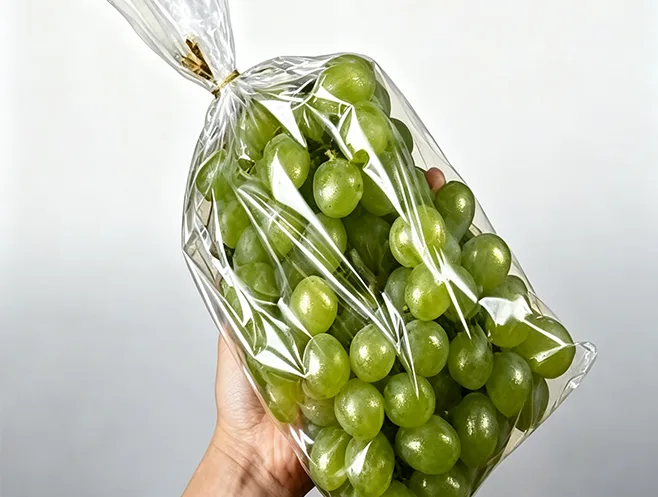
Snack foods, biscuits, confectionery, and other dry products commonly use metallized film in flexible packaging. When incorporated into a suitable laminate, the metallic layer can help limit moisture and oxygen transmission. Package design and seal integrity remain essential to product protection.
Metallized BOPP can provide a reflective background for product labels, promotional packaging, and decorative wraps. Its appearance can help printed colors and graphic elements stand out, provided the ink system and surface preparation are compatible.
Some lidding and specialty packaging constructions use metallized films to combine visual appeal with functional barrier properties. Buyers should confirm the required sealing method, substrate compatibility, and applicable food-contact requirements for each finished structure.
Metallized film may also be used in reflective wraps, decorative laminates, and selected industrial applications. Requirements for abrasion resistance, electrical properties, temperature exposure, and mechanical durability can differ substantially from those of ordinary food packaging.
Different film substrates offer different advantages. The most appropriate option depends on the required barrier performance, converting method, appearance, and total packaging cost.
| Material Type | Key Characteristics | Typical Considerations | Potential Applications |
|---|---|---|---|
| Lamination Metallizable BOPP Base Film | Designed for aluminum deposition and lamination | Requires suitable surface properties and metallization settings | Flexible packaging, labels, decorative laminates |
| Standard BOPP Film | Good stiffness, clarity, and moisture barrier characteristics | Not every grade is suitable for direct metallization | Overwraps, labels, general packaging |
| Metallized PET Film | Useful mechanical and thermal characteristics, depending on grade | May be preferred where polyester-specific properties are required | High-performance flexible laminates |
| Aluminum Foil Laminate | Can provide a very high barrier when the foil layer remains intact | Requires attention to foil thickness, pinholes, flexing, and structure design | Specialty food, pharmaceutical, and industrial packaging |
This comparison is a general selection guide, not a guarantee of equivalent performance. Buyers should compare measured barrier values, adhesion results, thickness, and processing behavior under consistent test conditions.
Before purchasing metallizable BOPP base film, packaging manufacturers should establish clear technical requirements. A film that performs well on one metallization line may require different settings or a different grade on another line.
For more product information, visit the HUA HENG BOPP film website or review the available BOPP film technical documents.
Proper handling helps preserve the surface condition of metallizable film before it enters production. Even a suitable material can develop quality problems if it is contaminated, damaged, or processed outside its recommended conditions.
Always follow the technical data sheet for the specific film grade. Storage limits and processing recommendations should not be generalized across every BOPP formulation.
Supplier evaluation should focus on documented performance, production consistency, and the ability to support the intended application. A competitive price is valuable only when the film meets the converter's technical and commercial requirements.
When comparing suppliers, consider the following evaluation points:
HUA HENG's product portfolio includes metallizable BOPP base films for flexible packaging applications. Buyers can discuss their intended laminate structure, target specifications, and converting conditions with the supplier before selecting a grade. Any claimed certification or compliance requirement should be confirmed through current, applicable documentation.
It is used as a substrate for vacuum aluminum metallization and subsequent lamination. Common applications include flexible food packaging, decorative labels, specialty laminates, and selected industrial products.
Metallizable BOPP is formulated and prepared to support metal deposition. Surface cleanliness, treatment, and adhesion characteristics are particularly important, whereas standard BOPP grades may be designed primarily for printing, sealing, or general packaging.
The deposited aluminum layer can improve oxygen and moisture barrier performance. The actual results depend on coating quality, film construction, flex damage, lamination, and package design. OTR and WVTR testing should be used to confirm suitability.
Yes. It can be incorporated into compatible multilayer structures using an appropriate adhesive and converting process. Compatibility should be verified through adhesion tests, curing trials, and finished-package evaluation.
Provide the intended application, required thickness, roll width, order quantity, laminate structure, metallization process, target barrier values, and any printing or food-contact requirements. This information helps the supplier recommend a suitable grade and provide relevant technical documentation.
Store rolls in their original protective packaging in a clean, dry environment. Avoid direct sunlight, excessive heat, moisture, and contamination. Follow the supplier's specific storage instructions and recheck critical surface properties when required before processing.
Lamination Metallizable BOPP Base Film is an important substrate for manufacturers seeking a balance of metallic appearance, converting efficiency, and barrier performance in flexible packaging. Its value depends on the interaction between film formulation, surface preparation, aluminum deposition, adhesive bonding, and the final package structure. Careful specification review and production testing can help reduce defects, improve process consistency, and support dependable packaging performance. HUA HENG offers metallizable BOPP film solutions for converters evaluating materials for different packaging applications. If you need product specifications, a suitable film grade, or a quotation for your next project, contact us to discuss your requirements and identify a practical solution for your production line.