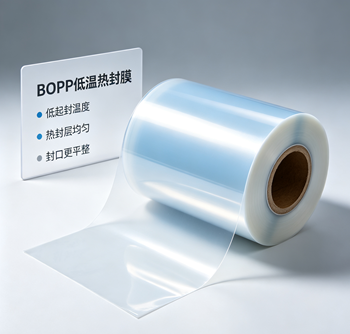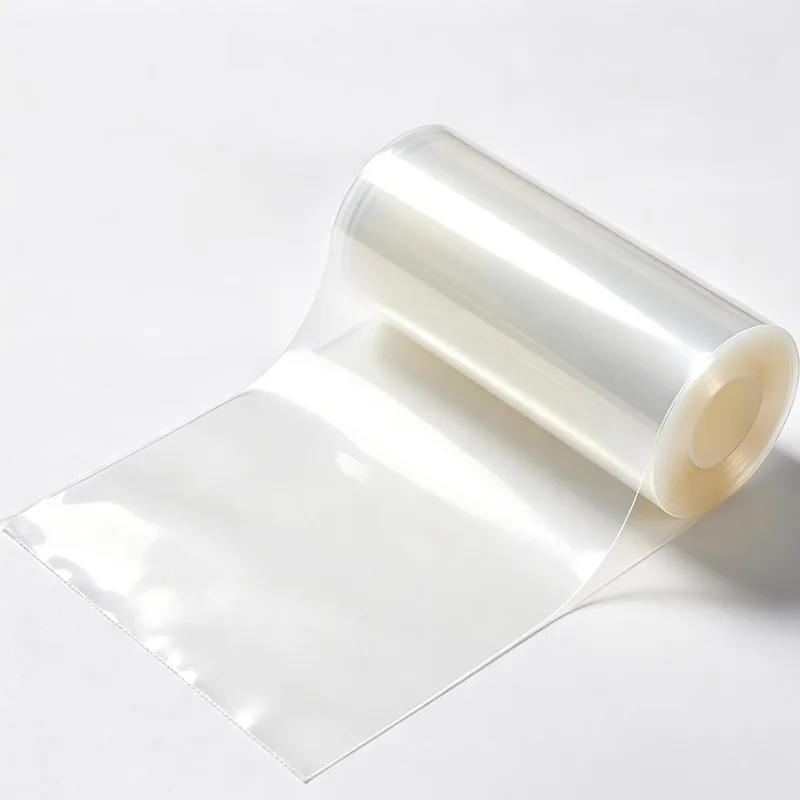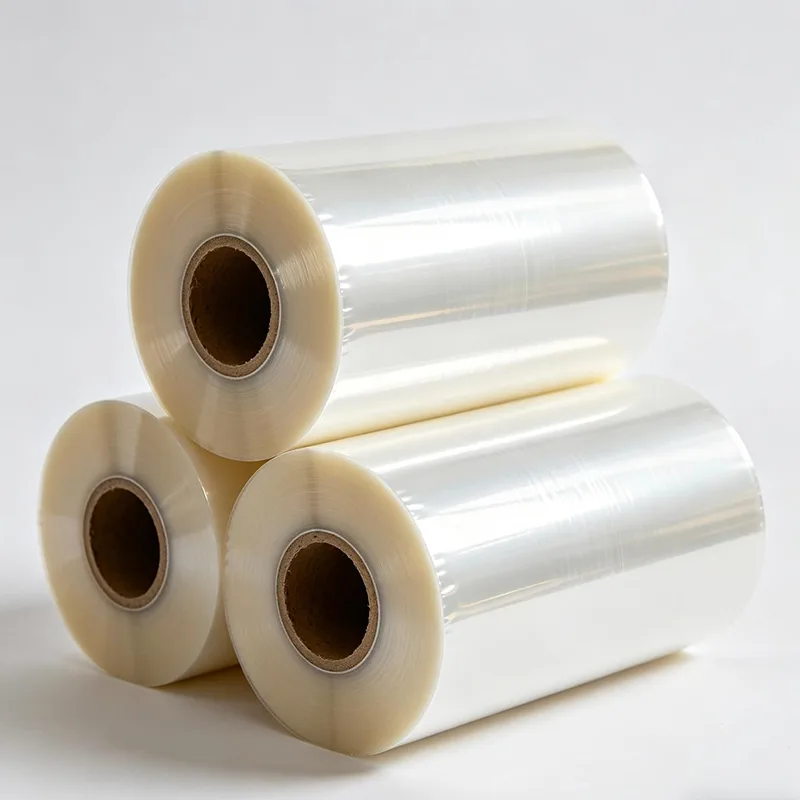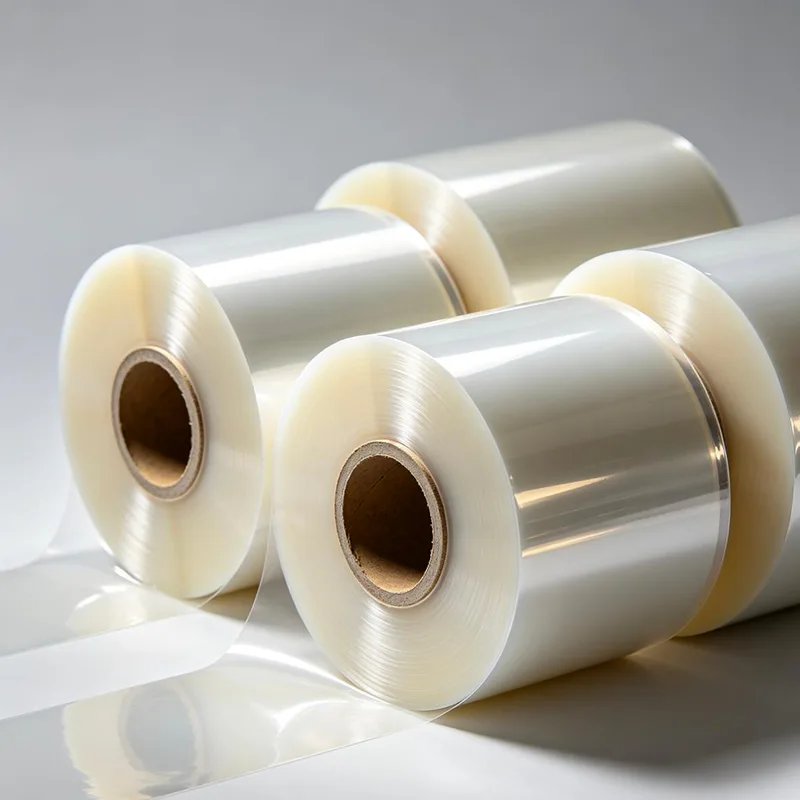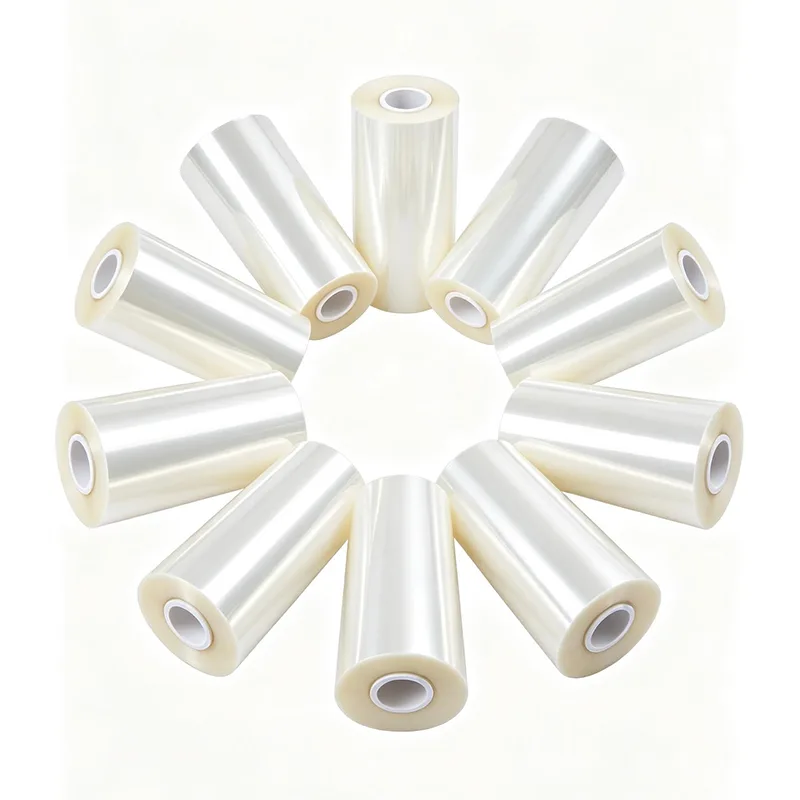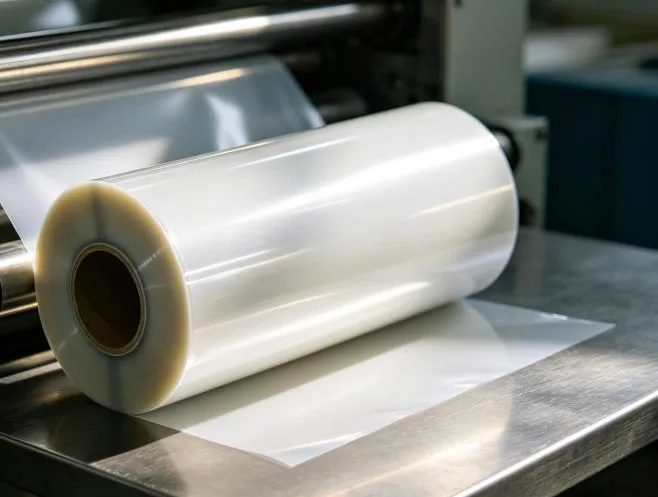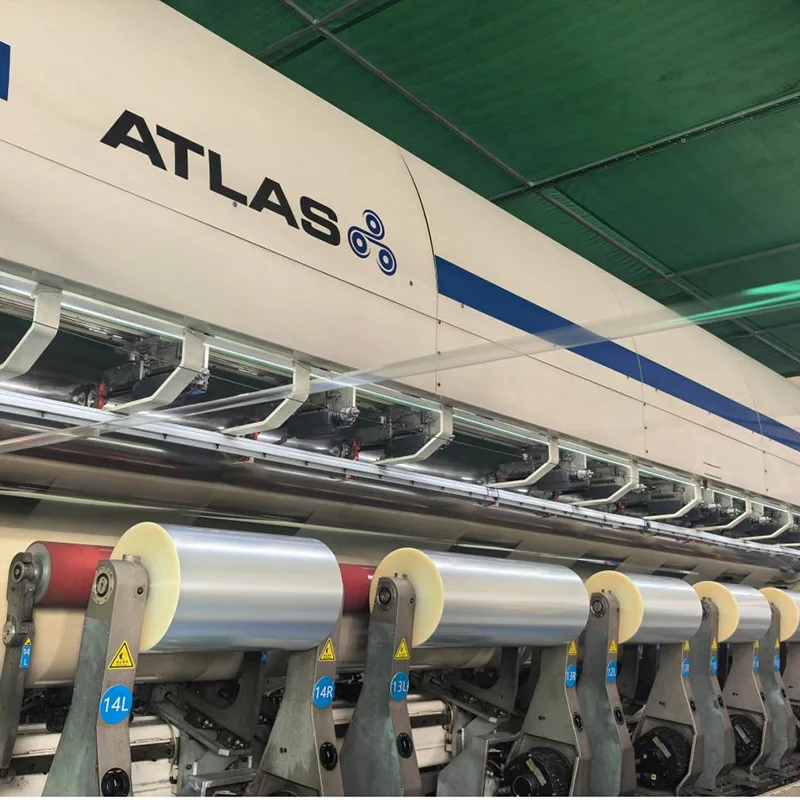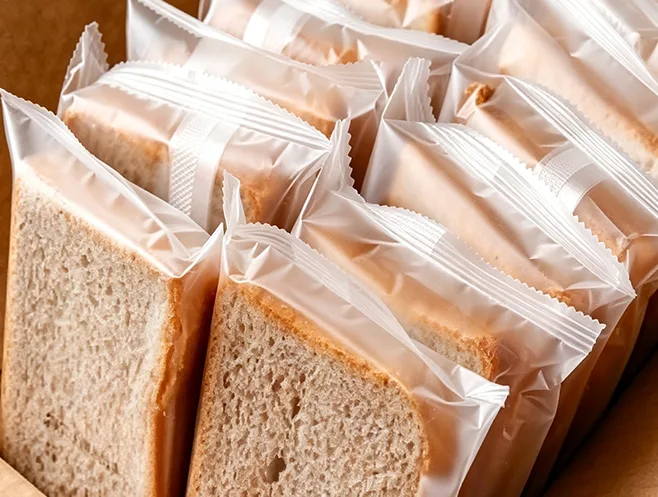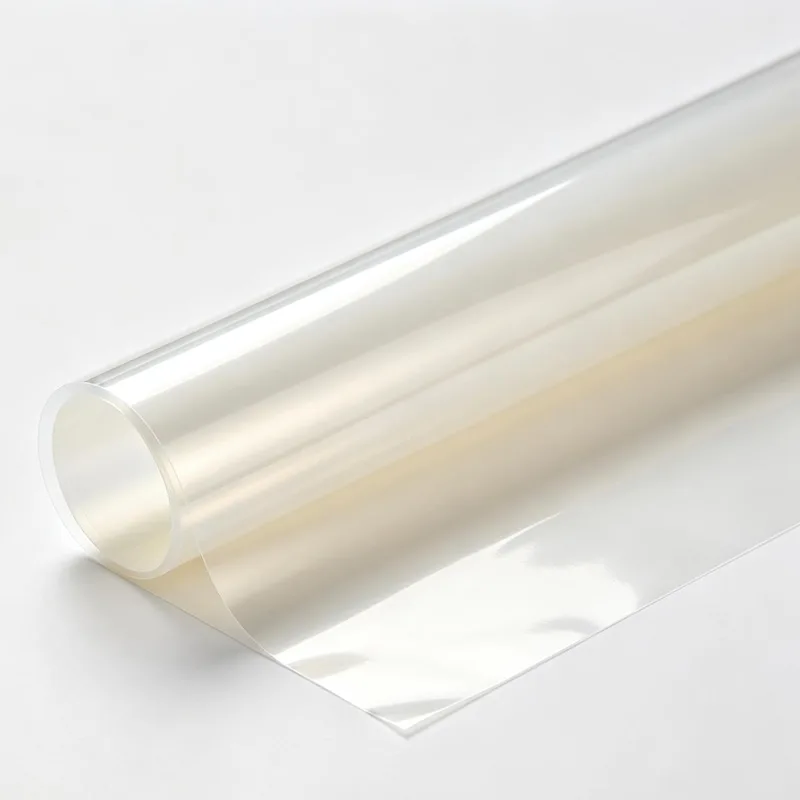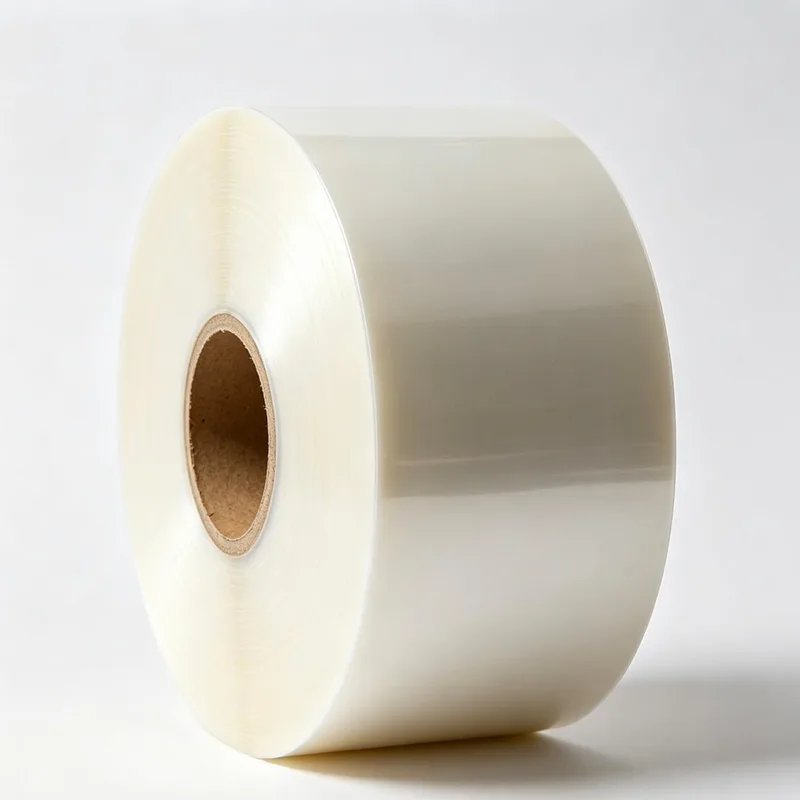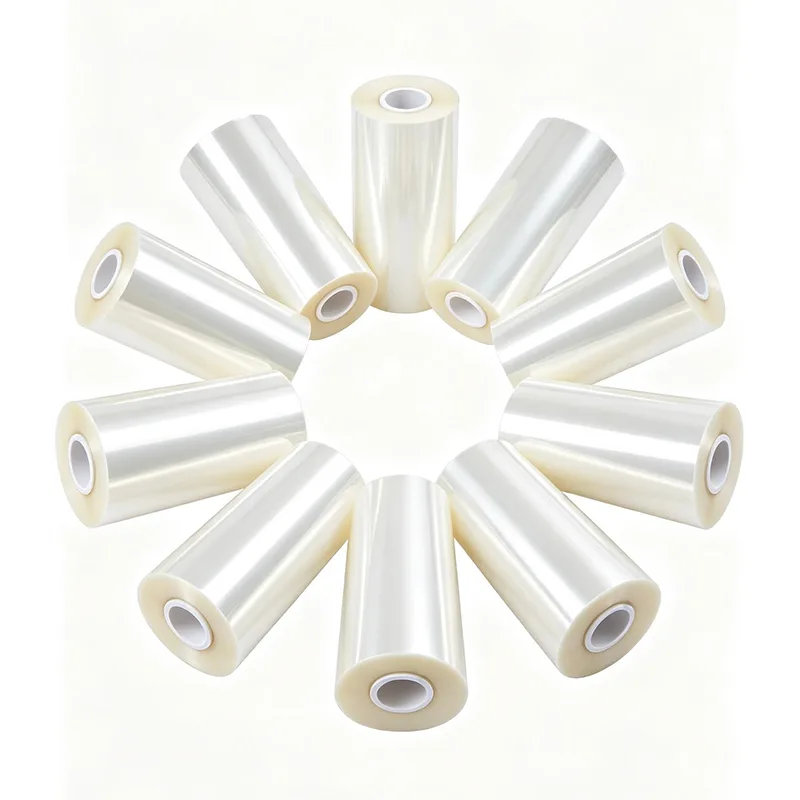
HUA HENG develops advanced packaging film solutions for converters and manufacturers seeking consistent performance from Bag Making Double-Sided Heat-Sealable BOPP Film. Designed for bag production processes that require dependable sealing on both surfaces, this material can help improve packaging consistency, streamline converting operations, and deliver an attractive finish for a wide range of consumer and industrial products.
Bag making requires packaging materials that combine mechanical strength, reliable heat sealing, printability, and stable processing performance. Double-sided heat-sealable biaxially oriented polypropylene (BOPP) film features heat-sealable surfaces on both sides, providing greater flexibility when forming bags and creating seals. This article explains its structure, key performance characteristics, advantages, application scenarios, and selection criteria. It also outlines practical quality checks that packaging manufacturers can use to evaluate film compatibility, reduce sealing defects, and improve production efficiency.
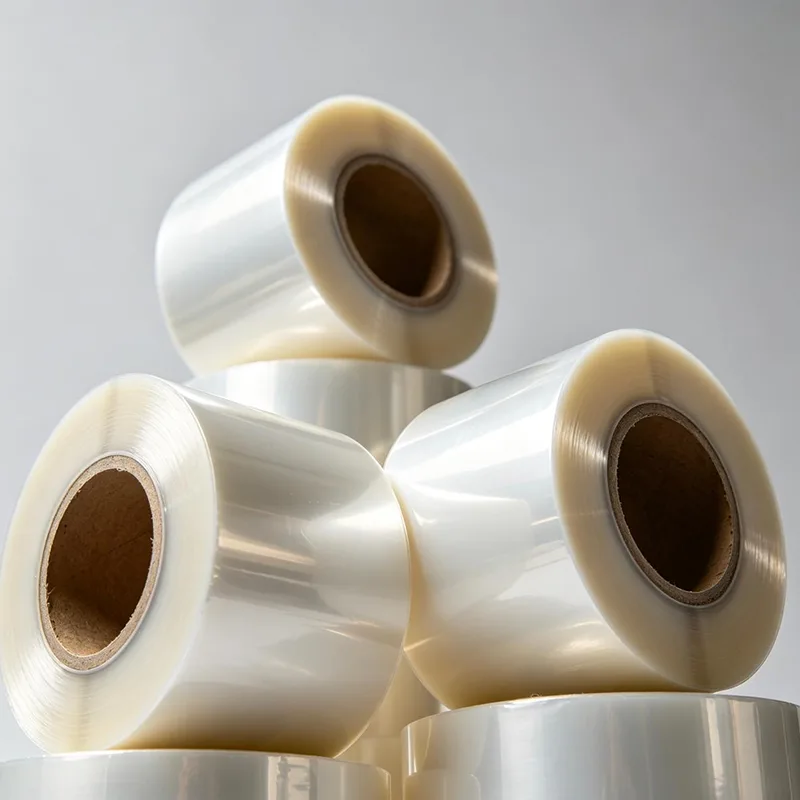
1. What Is Bag Making Double-Sided Heat-Sealable BOPP Film?
2. How Does Double-Sided Heat Sealing Work?
3. What Are Its Key Performance Characteristics?
4. What Benefits Does It Offer to Bag Manufacturers?
5. Which Packaging Applications Are Suitable?
6. How Does It Compare with Single-Sided Heat-Sealable BOPP Film?
7. How Should Buyers Select the Right Film?
8. How Can Manufacturers Improve Sealing Quality?
9. What Are the Recommended Storage and Handling Practices?
10. Frequently Asked Questions
BOPP stands for biaxially oriented polypropylene. During manufacturing, polypropylene film is stretched in both the machine direction and the transverse direction. This orientation process helps develop the stiffness, tensile properties, dimensional stability, and optical characteristics associated with BOPP packaging films.
Conventional BOPP film may require a separate sealing material or additional processing to achieve the desired package closure. Heat-sealable BOPP film addresses this requirement through a functional surface layer designed to soften and bond under suitable heat, pressure, and contact time.
Double-sided heat-sealable BOPP film incorporates heat-sealable functionality on both surfaces. This configuration allows converters to create seals using either side of the film, subject to the specific grade and packaging design. For bag manufacturers, it can simplify material orientation and provide greater flexibility when designing forming and sealing operations.
The term "double-sided" describes the heat-sealing functionality of the film surfaces. It does not automatically mean that the material has identical surface properties on both sides or that it provides a complete oxygen or moisture barrier. Those characteristics must be confirmed against the manufacturer's technical data sheet.
For product-specific information, buyers can review HUA HENG's Bag Making Double-Sided Heat-Sealable BOPP Film and request the specifications required for their intended application.
Heat sealing creates a bond between compatible thermoplastic surfaces through controlled thermal energy and pressure. When the sealing surfaces reach the appropriate temperature, their polymer layers soften sufficiently to form a bond. After the pressure is released and the seal cools, the resulting joint helps keep the package closed.
In a typical bag-making process, the film passes through feeding and forming sections before the machine creates longitudinal and transverse seals. Depending on the equipment design, heat-sealing surfaces may come into contact with one another at different points in the production cycle.
Double-sided heat-sealable film offers flexibility because both surfaces are designed to participate in sealing. This can be particularly useful in packaging systems where film orientation is difficult to control or where the bag design requires multiple sealing interfaces.
Successful sealing still depends on several interacting variables:
Rather than selecting operating conditions from a general reference alone, manufacturers should establish a suitable process window through testing with the actual film, equipment, and package configuration.
The value of double-sided heat-sealable BOPP film comes from combining the mechanical characteristics of an oriented polypropylene substrate with functional sealing surfaces. The final performance depends on resin formulation, layer construction, thickness, processing conditions, and the intended packaging use.
| Performance Factor | Technical Meaning | Importance in Bag Making |
|---|---|---|
| Double-sided heat sealability | Both film surfaces are designed to provide heat-sealing functionality | Offers flexibility when forming and closing bags |
| Tensile strength | Resistance to pulling forces in the machine and transverse directions | Helps the film withstand converting and handling stresses |
| Dimensional stability | Ability to maintain its dimensions under defined processing conditions | Supports consistent film feeding and package formation |
| Optical clarity | Visual transparency and surface appearance | Helps packaged products remain visible to consumers |
| Coefficient of friction | Measure of resistance between contacting surfaces | Influences film transport, unwinding, and machine handling |
| Seal strength | Force required to separate a formed seal under specified test conditions | Helps evaluate package closure integrity |
| Surface treatment | Surface modification intended to improve printing or bonding performance | Supports downstream printing and converting when specified |
Buyers should request measured values rather than assume that all double-sided heat-sealable grades have the same performance. Relevant specifications may include thickness tolerance, seal initiation temperature, heat-seal strength, haze, gloss, tensile properties, surface tension, and friction characteristics.
For food packaging, suitability also depends on the intended food type, contact conditions, applicable regulations, and the complete packaging structure. A film's heat-sealing capability alone does not establish food-contact compliance or long-term shelf-life performance.
Choosing the right film can affect production efficiency, packaging appearance, material utilization, and finished-bag consistency. Double-sided heat-sealable BOPP film can offer several practical advantages when its characteristics match the application.
Heat-sealable surfaces on both sides provide more options for forming bag seals. This can simplify film orientation requirements in selected applications and help packaging engineers develop suitable sealing configurations for their equipment.
A film that feeds consistently and seals within an appropriate process window can support continuous production. Stable friction, predictable thickness, and repeatable sealing performance help operators reduce unnecessary machine adjustments.
BOPP is widely used where a clear, smooth, or glossy appearance is desirable. Depending on the grade, the film can help showcase the packaged product and provide a suitable surface for retail packaging graphics.
Biaxial orientation gives BOPP useful stiffness and tensile characteristics for many lightweight packaging applications. Appropriate film selection helps maintain package shape while supporting the mechanical demands of bag formation and distribution.
Double-sided heat sealability can be useful when a bag design includes several sealing interfaces. However, the finished structure must still be evaluated for puncture resistance, product compatibility, barrier needs, and the stresses expected during transportation and storage.
These benefits are not automatic guarantees of higher output or lower costs. Manufacturers should compare production results, reject rates, material consumption, and finished-package performance during a controlled trial.
Double-sided heat-sealable BOPP film may be considered for bag-making applications where its sealing characteristics, mechanical properties, and appearance meet the packaging requirements.
Not every application is suitable for an unlaminated BOPP structure. Products that require high oxygen resistance, exceptional moisture protection, chemical compatibility, or resistance to heavy loads may need a multilayer laminate or another packaging material.
For demanding applications, buyers should evaluate the entire package rather than the film in isolation. The bag's dimensions, seal geometry, product weight, distribution environment, and expected shelf life all influence the final material specification.
The principal difference between single-sided and double-sided heat-sealable BOPP film is the location of the functional sealing surfaces. This distinction affects how converters orient the material and design the sealing process.
| Comparison Item | Single-Sided Heat-Sealable BOPP | Double-Sided Heat-Sealable BOPP |
|---|---|---|
| Heat-sealable surfaces | One designated surface | Both surfaces are designed for heat sealing |
| Film orientation | Correct seal-side orientation is important | Provides greater flexibility for sealing orientation |
| Packaging design | Suitable when one functional sealing side meets the design requirements | Useful when the design benefits from two heat-sealable surfaces |
| Process setup | Requires identification of the designated sealing surface | Still requires validation of temperature, pressure, and dwell time |
| Material selection | Depends on the required sealing interface and structure | Depends on the need for two functional sealing surfaces |
| Cost considerations | Compare the total material and conversion cost | Compare the additional functionality against the total application cost |
Neither construction is universally better. Single-sided film may be appropriate for a straightforward packaging structure, while double-sided film can offer advantages where both surfaces need heat-sealing functionality.
For a fair comparison, evaluate both products using the same package design, machine settings, production speed, and seal-testing method. Differences in thickness, formulation, and surface properties should also be considered.
When sourcing bag-making film, procurement teams should work with production engineers to translate the packaging requirements into measurable technical specifications. A clear specification reduces uncertainty during sampling, quotation, and mass production.
Consider the following factors before placing an order:
Purchasers can also review HUA HENG's broader heat-sealable BOPP film solutions to understand the available material options and identify a grade that better matches their converting requirements.
Even a suitable packaging film can produce weak or inconsistent seals when operating conditions are poorly controlled. A repeatable quality-control procedure helps manufacturers identify the cause of defects before they lead to significant waste.
A practical inspection process should include:
When a seal fails, increasing the temperature is not always the correct response. Excessive heat can distort the film or damage the package, while contamination, inadequate pressure, insufficient dwell time, or incorrect film orientation may be the actual cause.
Manufacturers should change one process variable at a time where practical, retest the package, and document the result. This approach makes troubleshooting more systematic and helps establish a repeatable operating window.
Proper storage helps preserve film quality before converting. Although specific requirements depend on the grade and supplier, several general practices apply to BOPP packaging rolls.
Packaging manufacturers should follow the storage temperature, humidity, and shelf-life recommendations stated in the applicable technical documentation. If the film has been stored for an extended period, its sealing performance and surface characteristics should be checked before full-scale production.
It is used in bag-making applications that require heat-sealing functionality on both film surfaces. Potential uses include selected dry food packages, garment bags, consumer-product packaging, and lightweight industrial packaging. The correct grade depends on the product, machine, barrier requirements, and applicable regulations.
Double-sided film is designed to provide heat-sealing functionality on both surfaces, whereas single-sided film has one designated heat-sealable surface. Double-sided construction can provide greater flexibility for certain bag designs, but the best choice depends on the required sealing interfaces and total packaging cost.
There is no single temperature that applies to every BOPP film grade and packaging machine. The correct setting depends on the sealant formulation, film thickness, sealing pressure, dwell time, and production speed. Obtain the supplier's recommended process range and verify it through actual-package testing.
Potentially, provided the selected grade and complete packaging structure meet the applicable food-contact requirements for the intended use. Buyers should request the relevant compliance documentation and confirm suitability for the specific food type, contact conditions, and storage environment.
No. BOPP can provide useful moisture-barrier performance, but ordinary BOPP film should not be assumed to provide the high oxygen barrier required by every product. Applications requiring extended shelf life or stronger barrier protection may need metallized film, a suitable coating, or a multilayer laminate.
Request a representative sample and technical data sheet, then conduct a trial using the intended packaging machine. Measure seal strength under documented test conditions, inspect the finished bags, and evaluate performance at the expected production speed. Confirm the results before approving the material for recurring orders.
Bag Making Double-Sided Heat-Sealable BOPP Film offers packaging manufacturers a practical option when both film surfaces need reliable heat-sealing functionality. Its suitability depends on the balance of sealing performance, mechanical properties, surface characteristics, machine compatibility, and end-use requirements. A well-defined specification, representative sampling, and controlled production testing are essential for achieving consistent results.
HUA HENG provides BOPP film solutions for packaging converters and manufacturers evaluating different heat-sealing requirements. If you are sourcing material for a new bag design or improving an existing production line, explore the product details and contact us to discuss your required thickness, roll dimensions, sealing conditions, application, and technical documentation. Our team can help you identify a suitable film specification for evaluation and support your next packaging project.