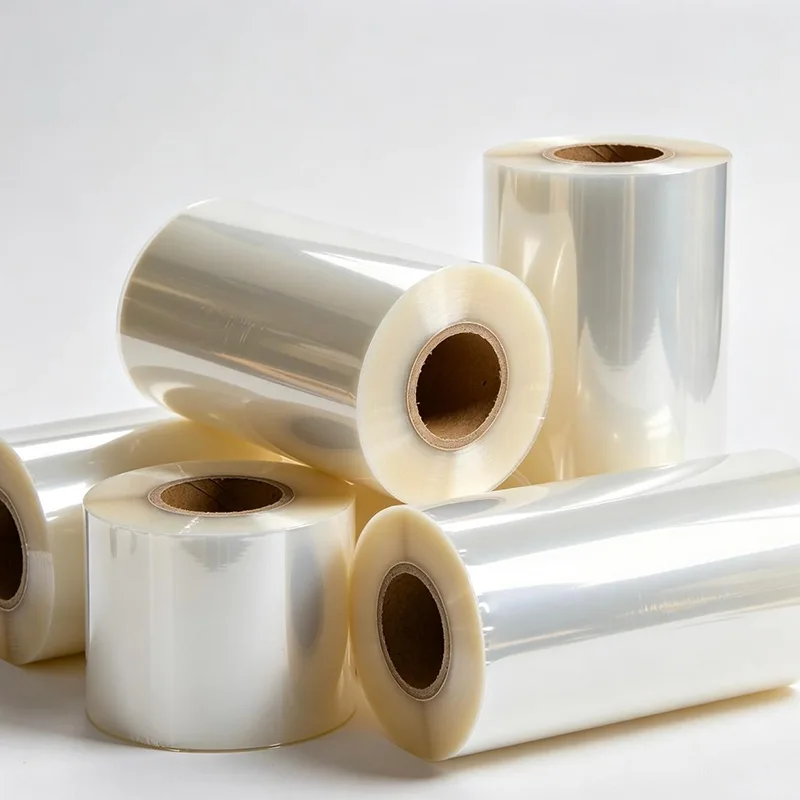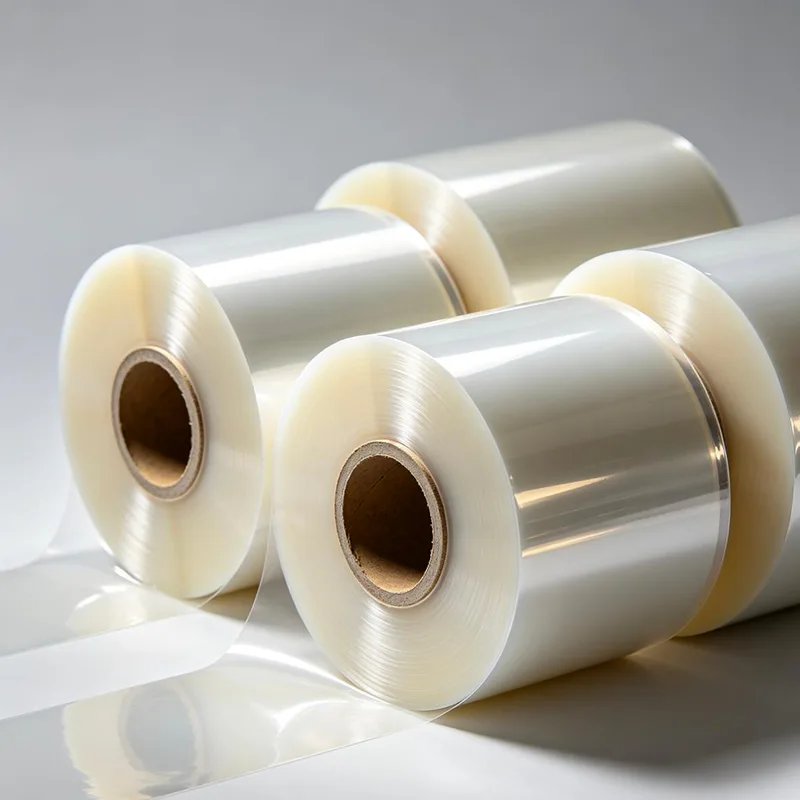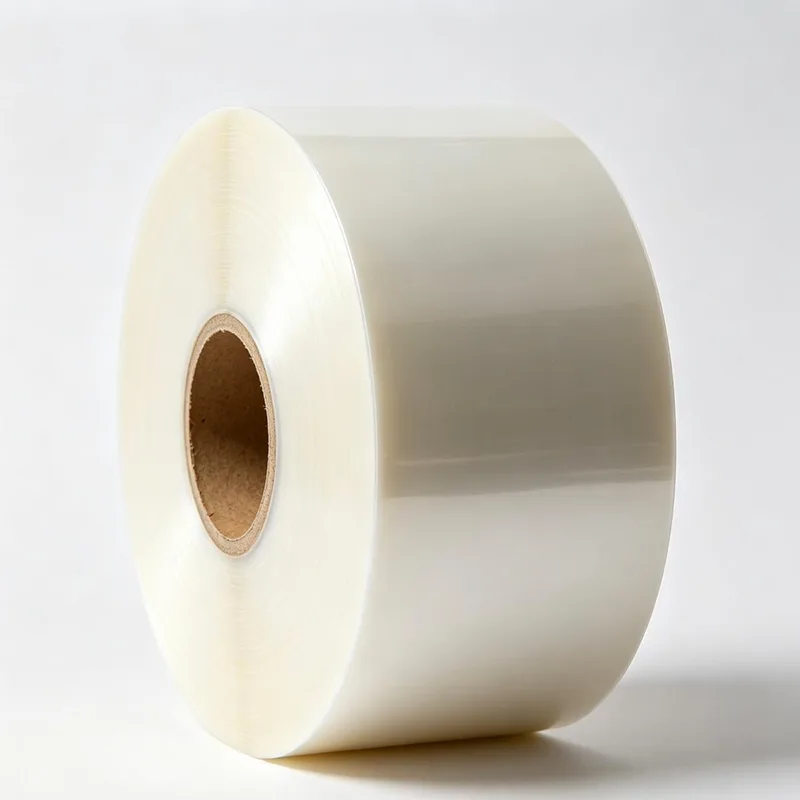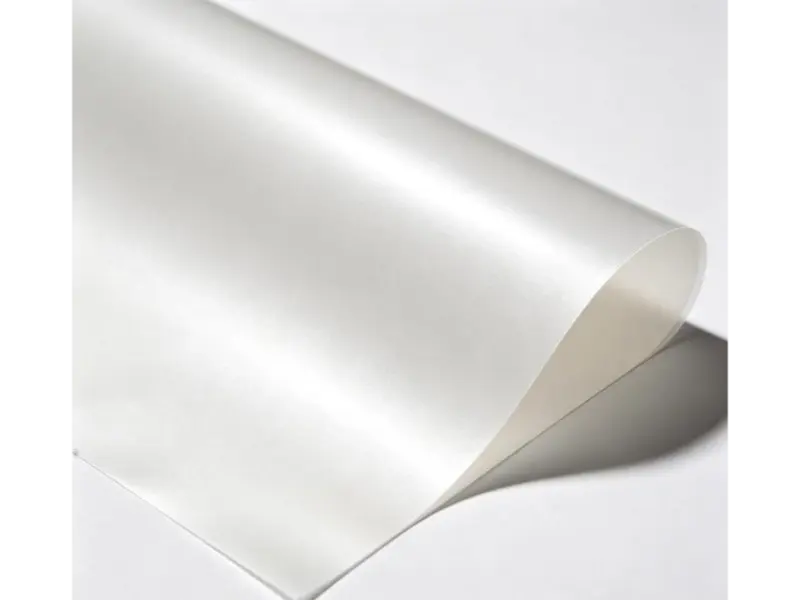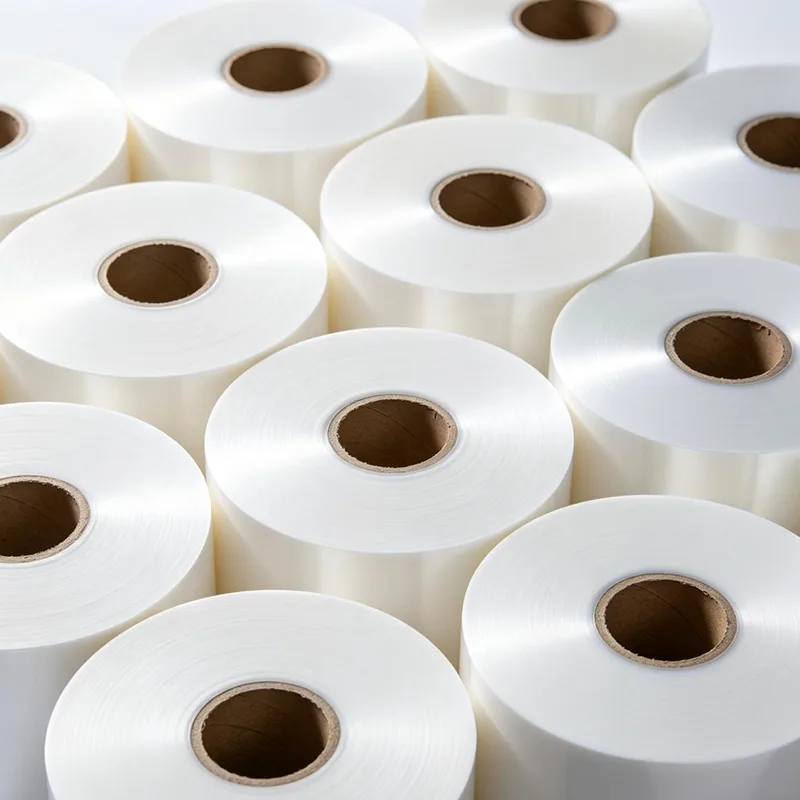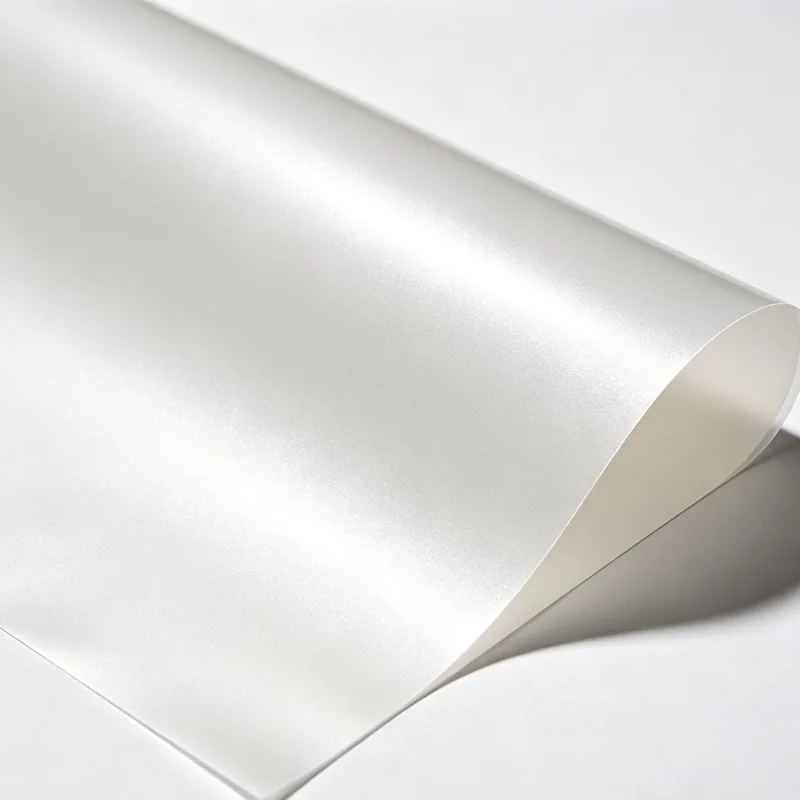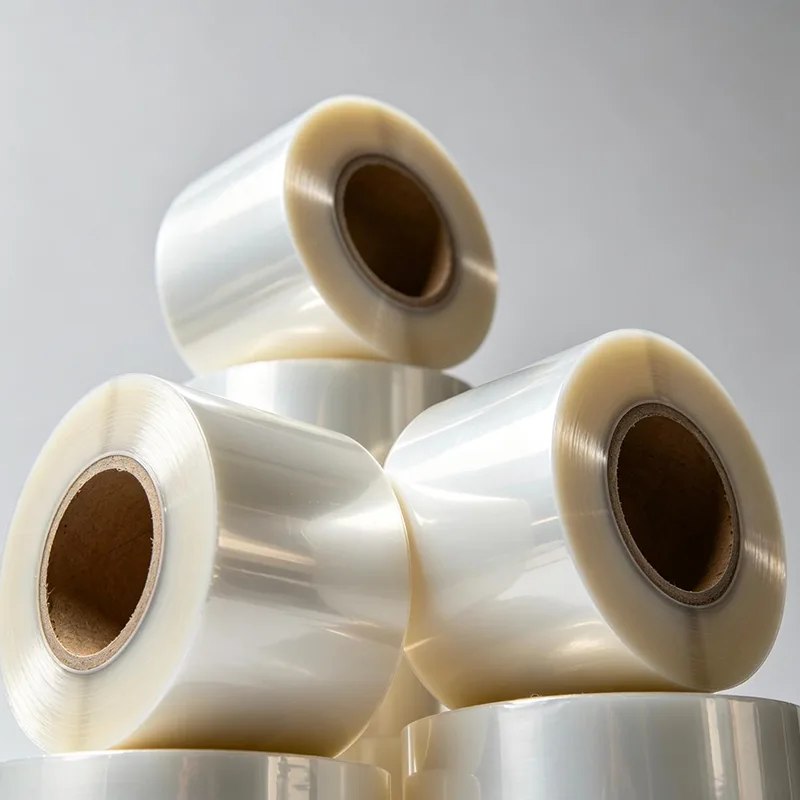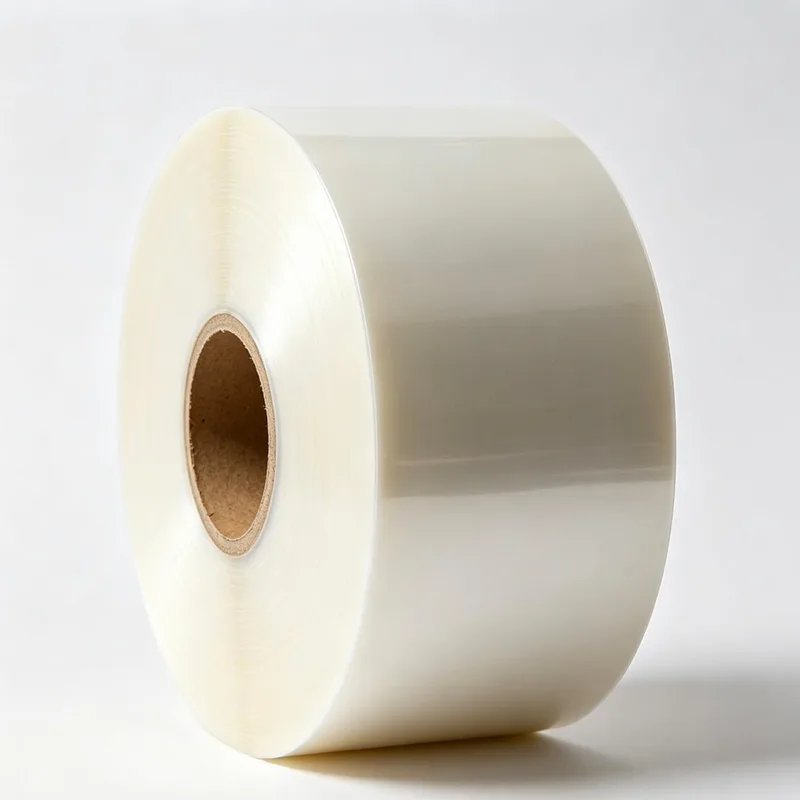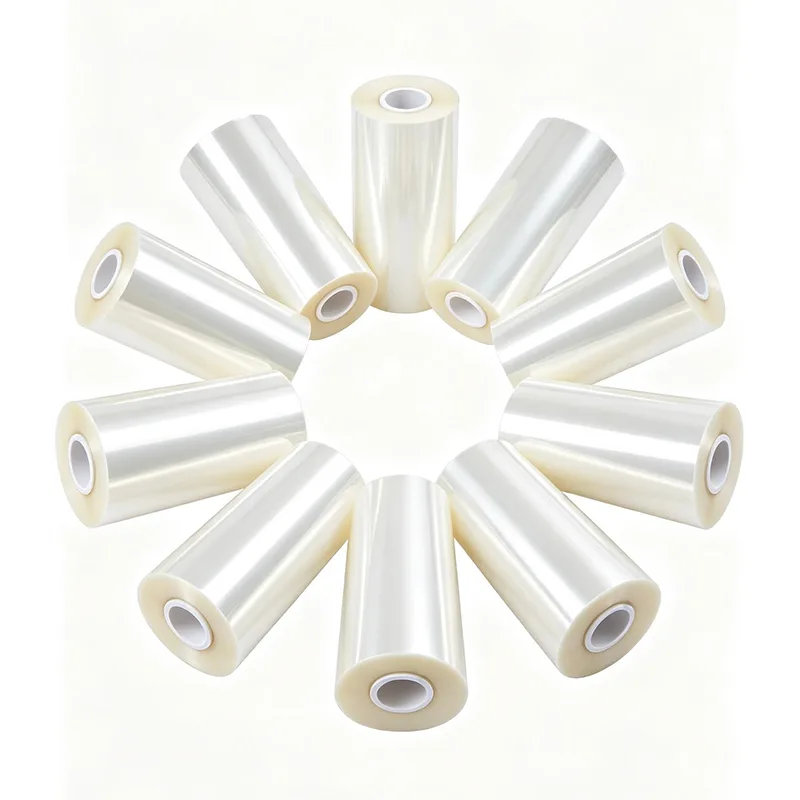

Low Temperature Fast Sealing BOPP Film is becoming an important packaging material for manufacturers seeking faster sealing cycles, lower thermal energy consumption, and more stable package integrity. HUA HENG develops this heat-sealable BOPP film for automatic packaging applications, offering customized thickness, sealing temperature ranges, and film structures for food, daily chemical, and industrial packaging.
Modern packaging lines increasingly require materials that can keep pace with high-speed equipment without sacrificing seal strength or package appearance. Low-temperature heat sealing addresses this challenge by allowing the sealing layer to form a reliable bond at a lower temperature. HUA HENG's solution features an approximate 105°C heat seal initiation temperature, sealing strength of ≥2.5 N/15mm at 105°C and 0.3 seconds, thickness options from 18μm to 50μm, and compatibility with automatic packaging lines, flow wrapping machines, and VFFS systems. These characteristics make the material suitable for manufacturers balancing productivity, energy efficiency, sealing consistency, and product protection.
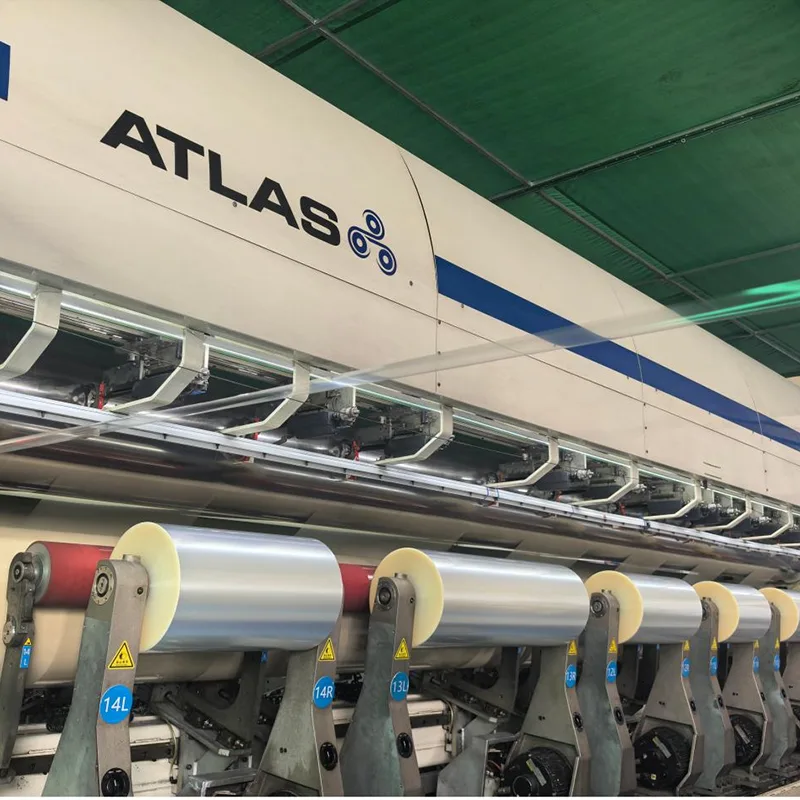
Table of Contents
- Why Is Low-Temperature Fast Sealing Important?
- How Does Low-Temperature Fast Sealing Technology Work?
- What Are the Key Technical Specifications?
- How Does It Improve Packaging Line Efficiency?
- How Can Lower Sealing Temperatures Reduce Energy Consumption?
- Which Packaging Applications Can Use This Film?
- How Should Manufacturers Select the Right BOPP Film?
- Frequently Asked Questions
Why Is Low-Temperature Fast Sealing Important?
Heat sealing is a critical stage in many flexible packaging processes. The sealing temperature, dwell time, pressure, and material structure directly influence whether a package achieves a secure and consistent seal.
Conventional heat-sealable films may require relatively high temperatures to soften the sealing layer sufficiently. On a continuously operating packaging line, this can increase thermal load and make process control more demanding. Excessive heat can also be undesirable when packaging products that are sensitive to temperature.
A low-temperature sealing structure changes this equation. By engineering the heat seal layer for an earlier sealing response, the film can form an effective bond at a lower temperature while maintaining the required sealing performance.
- Shorter sealing response during high-speed production
- Lower sealing temperature requirements
- More stable sealing under changing machine speeds
- Reduced risk of incomplete seals caused by temperature fluctuation
- Lower thermal exposure for temperature-sensitive products
For packaging manufacturers, these advantages can contribute to smoother production and more predictable packaging quality.
How Does Low-Temperature Fast Sealing Technology Work?
The key to low-temperature sealing lies in the formulation and structure of the heat-sealable surface. BOPP, or biaxially oriented polypropylene, provides the core film structure, while the sealing layer is engineered to respond efficiently to applied heat.
When the sealing jaws or other heating elements contact the film, the heat seal layer reaches its effective bonding condition. An optimized polymer formulation allows the surface to soften and bond without requiring the same thermal input associated with conventional high-temperature sealing materials.
HUA HENG's film is designed around this principle. Its optimized sealing layer helps the film respond quickly during short sealing cycles. This is particularly relevant to automated systems where every fraction of a second can affect overall line productivity.
The result is a practical balance between sealing temperature, dwell time, seal strength, and production speed. Manufacturers can also adjust machine parameters according to the actual product, packaging format, equipment configuration, and operating conditions.
What Are the Key Technical Specifications?
Technical specifications provide an important starting point when evaluating whether a heat-sealable BOPP film can meet a packaging line's requirements. The following data summarizes the main specifications available for this solution.
| Item | Specification |
|---|---|
| Material | Food Grade BOPP (Biaxially Oriented Polypropylene) |
| Film Structure | Single-Side / Double-Side Low-Temperature Heat-Sealable |
| Thickness | 18μm–50μm |
| Heat Seal Initiation Temperature | Approximately 105°C |
| Heat Seal Strength | ≥2.5 N/15mm at 105°C and 0.3s |
| Tensile Strength MD/TD | ≥120 MPa / ≥200 MPa |
| Haze | ≤2.0% |
| Printing-Side Surface Tension | ≥38 mN/m |
| Processing Compatibility | Automatic Packaging Lines, Flow Wrapping Machines, VFFS Systems |
| Customization | Thickness, sealing temperature range, and film structure |
For buyers comparing materials, specifications should always be evaluated alongside the actual sealing equipment, package structure, product characteristics, and required production speed.
How Does It Improve Packaging Line Efficiency?
High-speed packaging is not simply a matter of increasing machine speed. The packaging material must respond quickly enough to complete the sealing operation within the available cycle time.
When a film requires excessive sealing time, manufacturers may face a production bottleneck. Increasing machine speed without adapting the sealing material can contribute to incomplete bonding, leakage, wrinkles, or inconsistent package appearance.
A low-temperature fast-sealing structure helps shorten the thermal response required for sealing. This makes it suitable for applications involving:
- Flow wrapping equipment
- Vertical form-fill-seal systems
- Continuous automatic packaging machines
- High-volume food packaging lines
- Daily chemical product packaging
- Industrial flexible packaging operations
Stable sealing performance is especially valuable when production runs continuously. A wider process tolerance can reduce the frequency of manual parameter adjustments and help operators maintain consistent packaging quality.
How Can Lower Sealing Temperatures Reduce Energy Consumption?
Heating systems operate continuously on many automated packaging lines. Therefore, the sealing stage represents an ongoing thermal load during production. Reducing the temperature required to achieve a reliable seal can help reduce unnecessary heat input.
Lower sealing temperatures may also reduce the thermal burden placed on sealing components. This can be beneficial for production environments where machines operate for extended periods and energy efficiency is an important operating consideration.
For large-volume manufacturers, even a relatively small reduction in energy demand per packaging cycle can become meaningful when multiplied across thousands or millions of packages.
However, energy savings should not be considered independently from seal performance. The objective is not simply to use the lowest possible temperature. The correct approach is to identify a stable operating window that provides sufficient seal strength while maintaining production efficiency.
Which Packaging Applications Can Use This Film?
The material is designed for packaging environments where rapid sealing and controlled thermal exposure are important. Its combination of BOPP mechanical properties and low-temperature heat-sealing performance makes it applicable across several packaging categories.
Food Packaging
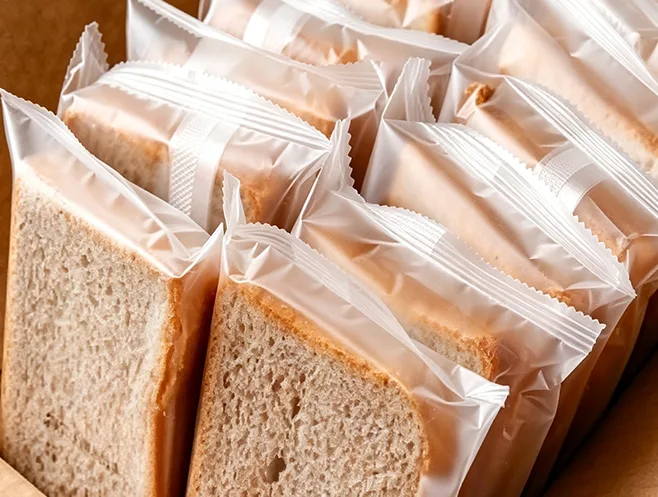
Food manufacturers can use heat-sealable BOPP structures for products such as confectionery, bakery goods, frozen foods, and other packaged products. Lower sealing temperatures can help limit unnecessary thermal exposure during the sealing process.
Daily Chemical Packaging
Packaging for household and personal-care products can benefit from reliable seals and consistent package appearance. Stable sealing performance is important when automated lines are used for continuous production.
Industrial Packaging
Industrial packaging applications often emphasize production consistency, mechanical performance, and processing efficiency. Customized film structures can help manufacturers match the material to specific packaging requirements.
For applications requiring more specialized characteristics, manufacturers can also explore related solutions such as low temperature heat sealable BOPP film, heat sealable BOPP film, and anti fog BOPP film.
How Should Manufacturers Select the Right BOPP Film?
Selecting a packaging film should involve more than comparing thickness or price. The film must work as part of the complete packaging system.
- Confirm the packaging machine. Identify whether the film will run on a flow wrapper, VFFS system, or another automatic packaging machine.
- Define the required sealing window. Consider the machine's sealing temperature, dwell time, pressure, and operating speed.
- Check the package structure. Determine whether single-side or double-side heat sealing is required.
- Evaluate product sensitivity. Heat-sensitive products may benefit from reduced sealing temperatures.
- Match film thickness. Select a suitable thickness based on packaging structure, mechanical requirements, and processing conditions.
- Test seal performance. Conduct production trials to verify seal strength, appearance, leakage resistance, and machine compatibility.
- Discuss customization. For specialized packaging requirements, communicate the desired thickness, sealing range, structure, and application with the film manufacturer.
Working directly with an experienced China BOPP film manufacturer can make the material-selection process more efficient because specifications can be discussed according to the actual production environment rather than treated as isolated laboratory figures.
Frequently Asked Questions
1. What is Low-Temperature Fast Sealing BOPP Film?
It is a heat-sealable BOPP film engineered to achieve effective bonding at a lower sealing temperature. The design helps packaging manufacturers improve sealing response, production efficiency, and thermal control.
2. What is the approximate heat seal initiation temperature?
The specified heat seal initiation temperature is approximately 105°C. Actual machine settings should be established through testing according to the packaging structure, equipment, dwell time, pressure, and production conditions.
3. What thicknesses are available?
The available thickness range is approximately 18μm to 50μm. Customized thickness specifications can be discussed according to the application and packaging structure.
4. Can this film be used on VFFS machines?
Yes. The film is designed for automatic packaging applications and is compatible with VFFS systems, flow wrapping machines, and other high-efficiency packaging equipment.
5. Is the film suitable for heat-sensitive products?
Its lower sealing temperature can help reduce thermal exposure during packaging, making the material potentially suitable for products such as chocolate, confectionery, frozen foods, and bakery products. Actual suitability should be confirmed through packaging trials.
6. Can the film structure be customized?
Yes. HUA HENG provides customization options covering film thickness, sealing temperature range, and film structure to meet different packaging requirements.
Conclusion: Build a More Efficient Sealing Process
For modern packaging manufacturers, sealing performance has a direct relationship with production speed, energy use, package integrity, and product protection. A properly engineered low-temperature sealing layer can help shorten sealing response, support high-speed packaging, and reduce unnecessary thermal input.
With specifications including 18μm–50μm thickness, approximately 105°C heat seal initiation temperature, ≥2.5 N/15mm heat seal strength under specified test conditions, and compatibility with automatic packaging equipment, HUA HENG provides a practical material option for manufacturers seeking stable and efficient flexible packaging performance.
If you are planning a new packaging line, optimizing an existing process, or looking for a customized BOPP film structure, contact us to discuss your film thickness, sealing temperature, machine speed, package structure, and application requirements. HUA HENG can help you evaluate a suitable film solution for faster sealing, controlled energy consumption, and more consistent packaging production.