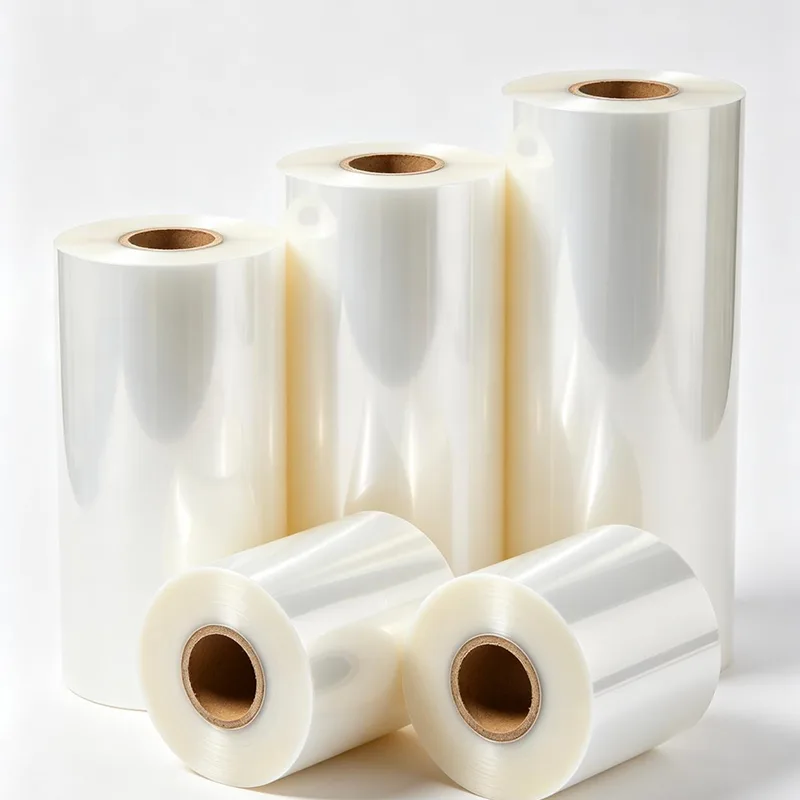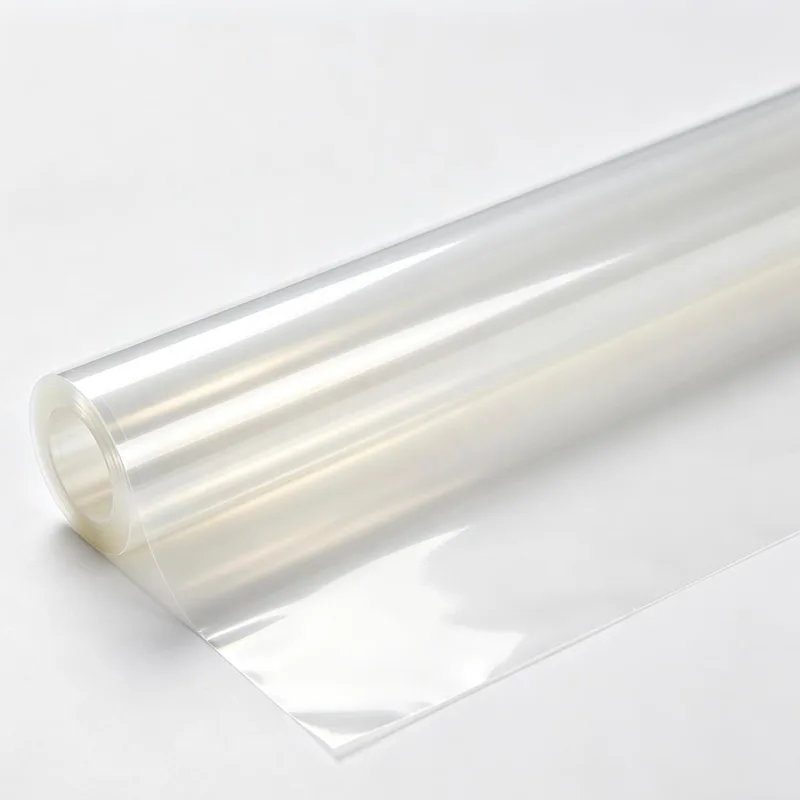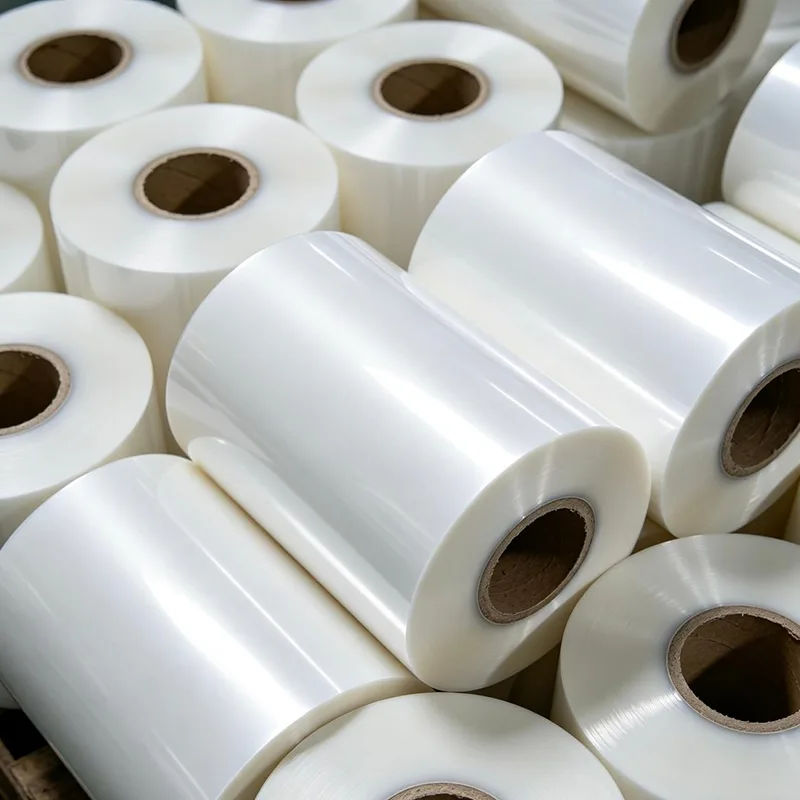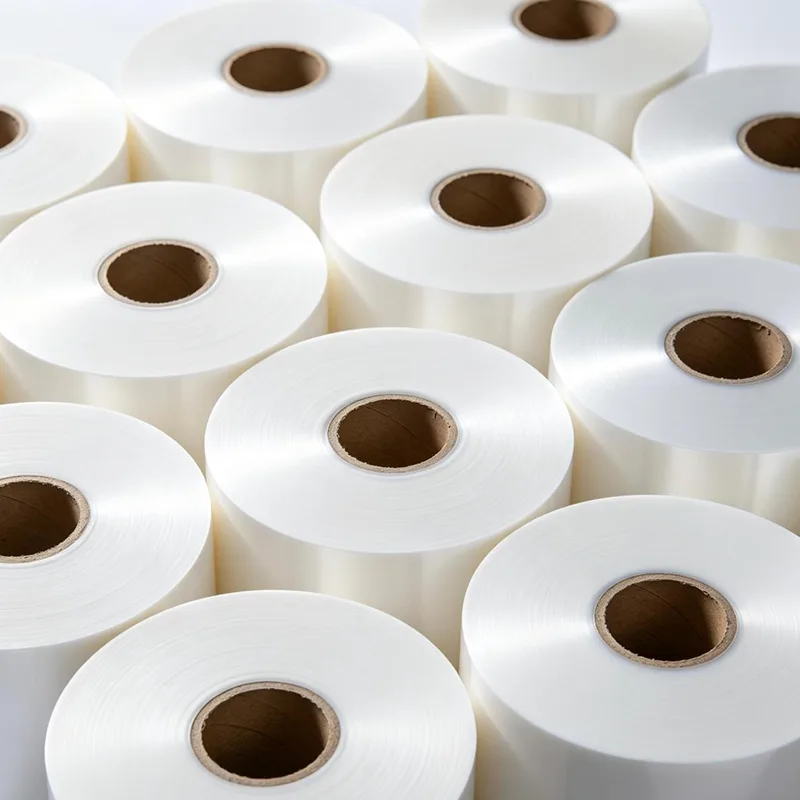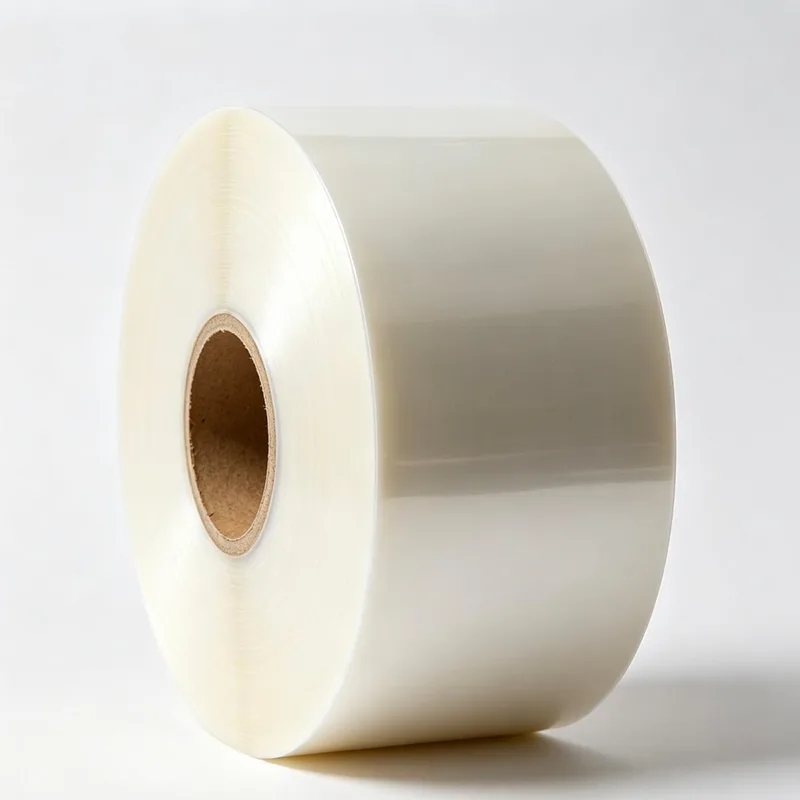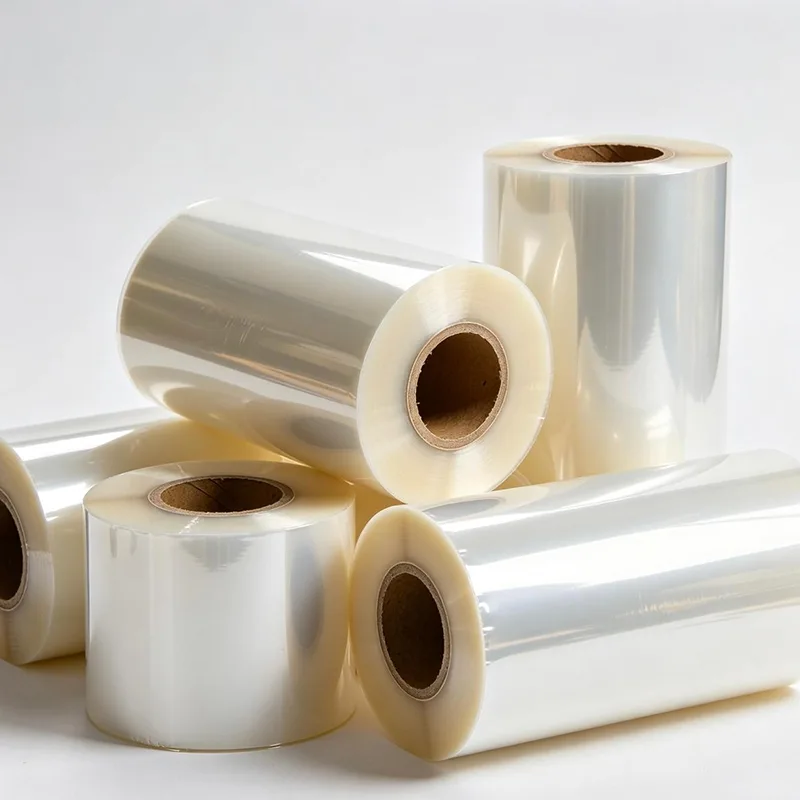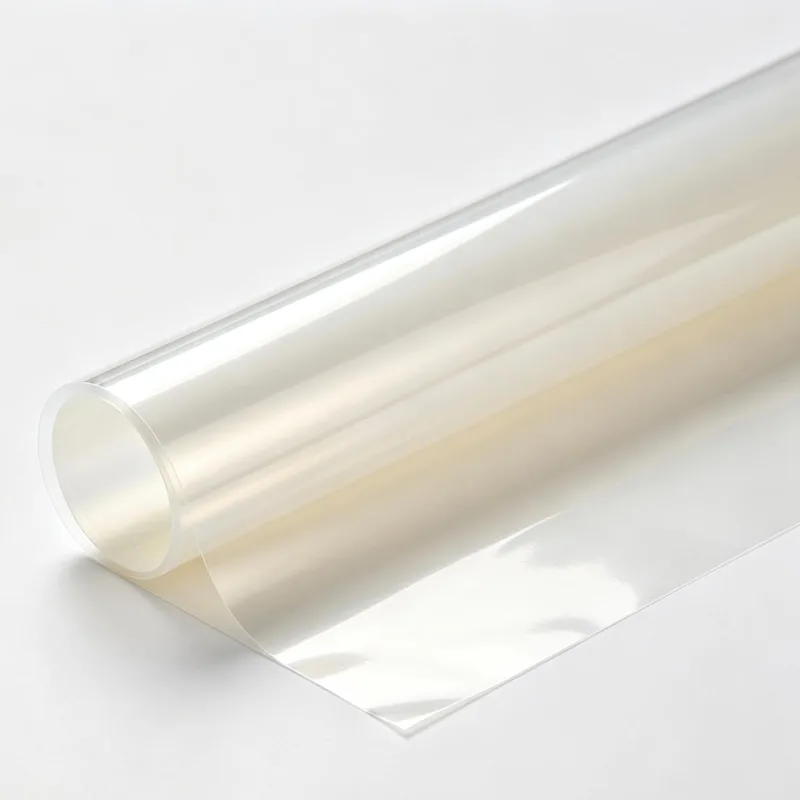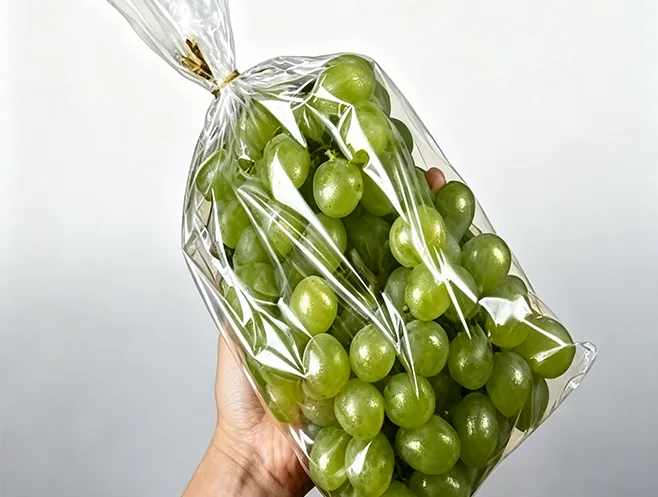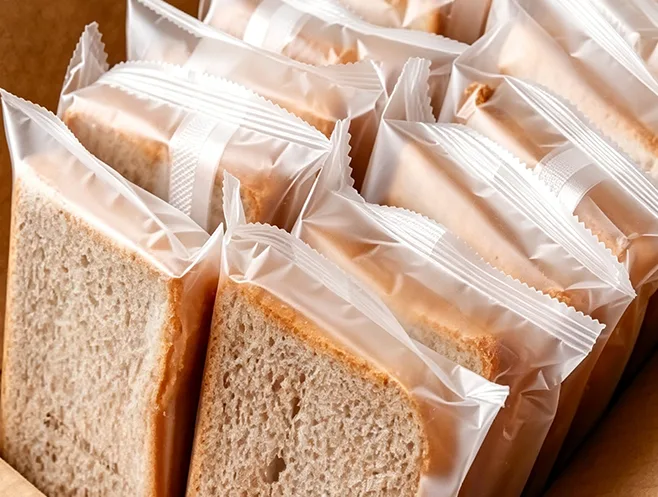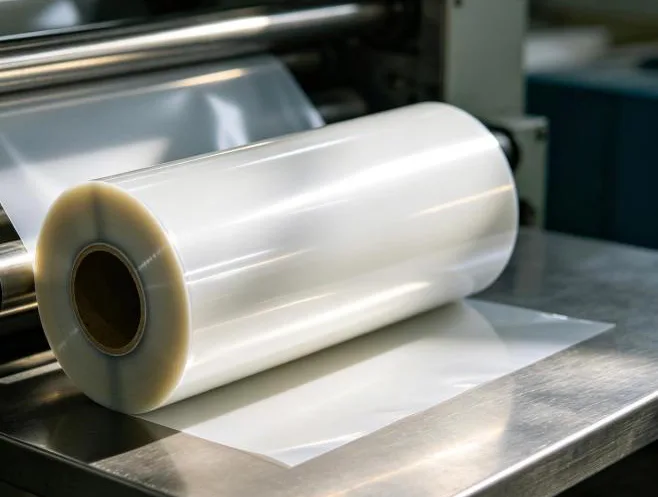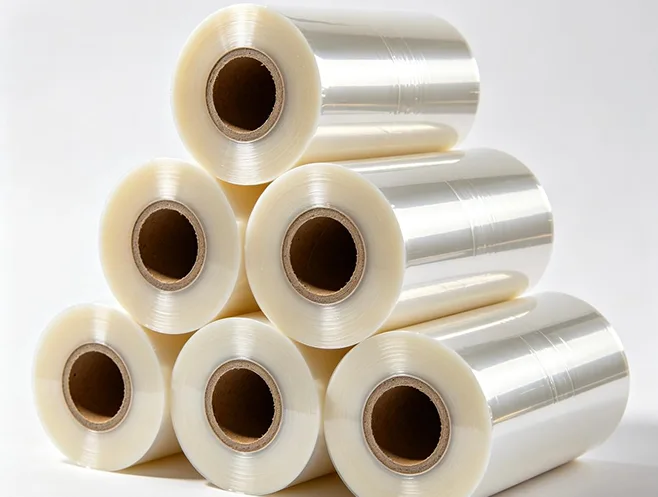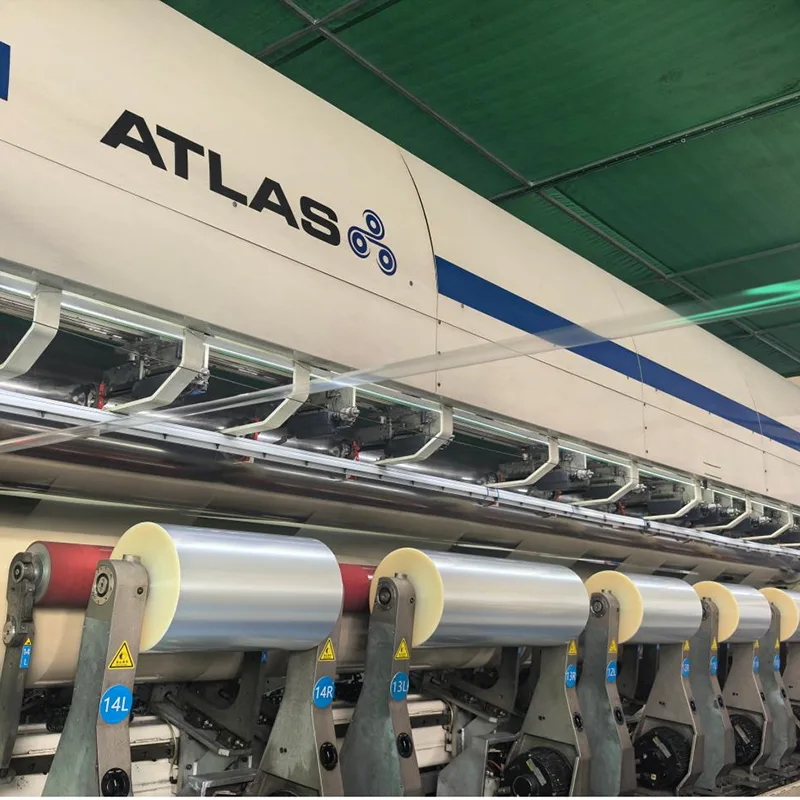

For flexible packaging manufacturers, HUA HENG High Flatness Metallizable BOPP Base Film provides a precision-engineered substrate for vacuum aluminum coating, combining controlled flatness, stable surface properties, and strong aluminum adhesion to support consistent metallization and high-quality barrier packaging.
Metallized flexible packaging depends heavily on the quality of the substrate beneath the aluminum layer. A BOPP film with controlled thickness, excellent flatness, suitable surface energy, and reliable mechanical strength can help improve coating uniformity, adhesion, appearance, and downstream lamination performance. High Flatness Metallizable BOPP Base Film is specifically developed for this purpose. With thickness options from 12μm to 30μm, surface tension of ≥38 mN/m, haze of ≤2.5%, gloss of ≥85%, and thickness tolerance controlled within ±0.5μm, HUA HENG provides a stable film foundation for demanding metallization applications. This article explains how the substrate affects aluminum coating, what technical characteristics matter most, and how manufacturers can select the right BOPP base film for flexible packaging.
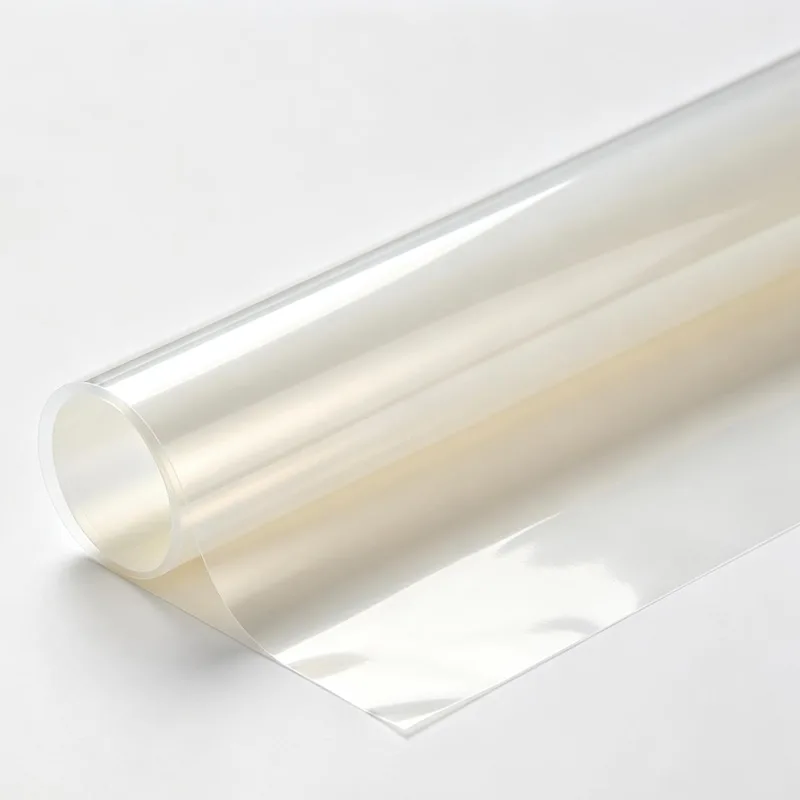
Table of Contents
- Why Does BOPP Flatness Matter in Vacuum Metallization?
- How Does Metallizable BOPP Base Film Support Aluminum Coating?
- What Technical Properties Should Buyers Evaluate?
- Ordinary BOPP Film vs. Metallizable BOPP Base Film
- Where Is Metallizable BOPP Film Used?
- How Can Packaging Manufacturers Choose the Right Film?
- Frequently Asked Questions
- Conclusion
Why Does BOPP Flatness Matter in Vacuum Metallization?
Vacuum metallization involves depositing a very thin aluminum layer onto the surface of a polymer film. Although the aluminum coating is responsible for much of the reflective appearance and barrier function, the underlying substrate plays an equally important role in determining the final result.
When the BOPP substrate has inconsistent thickness, surface irregularities, or insufficiently controlled surface characteristics, aluminum deposition can become less uniform. These variations may contribute to coating defects, inconsistent metallic appearance, adhesion problems, or additional adjustments during downstream converting.
A high-flatness substrate creates a more stable surface for aluminum deposition. The smoother and more consistent the film, the easier it is for metallization equipment to maintain stable coating conditions across the web. This becomes particularly important for high-speed production lines where even small variations can affect a large quantity of finished packaging.
- More consistent aluminum deposition
- Improved metallic appearance
- More reliable aluminum-to-film adhesion
- Better compatibility with lamination processes
- Reduced risk of coating-related production defects
- More consistent barrier performance in finished structures
How Does Metallizable BOPP Base Film Support Aluminum Coating?
During vacuum metallization, aluminum vapor travels through the vacuum chamber and condenses onto the BOPP film surface. The quality of the interface between the aluminum layer and polymer substrate influences coating stability and subsequent converting performance.
The surface of metallizable BOPP film therefore requires more than general-purpose packaging performance. Controlled surface energy helps create suitable conditions for aluminum deposition, while precise stretching and thickness control contribute to web stability and flatness.
HUA HENG develops its metallizable substrate using optimized film formulation, controlled stretching technology, and surface treatment. The resulting film is designed to provide a stable foundation for vacuum aluminum coating and subsequent dry lamination.
For converters, this means that substrate selection should be considered as part of the entire metallization process rather than as an isolated material decision. The film, metallization equipment, coating parameters, adhesive system, and final packaging structure all need to work together.
What Technical Properties Should Buyers Evaluate?
When purchasing metallizable BOPP film, buyers should evaluate technical specifications according to the requirements of their metallization equipment and final packaging application. Key parameters include thickness, surface tension, tensile strength, haze, gloss, and thickness tolerance.
| Technical Parameter | HUA HENG Specification | Why It Matters |
|---|---|---|
| Material | Biaxially Oriented Polypropylene (BOPP) | Provides a strong and versatile flexible packaging substrate |
| Thickness | 12μm–30μm | Allows selection according to packaging structure and converting requirements |
| Surface Tension | ≥38 mN/m | Supports suitable surface conditions for metallization and bonding |
| Tensile Strength, MD | ≥120 MPa | Helps maintain mechanical stability during processing |
| Tensile Strength, TD | ≥200 MPa | Supports web strength and dimensional stability |
| Haze | ≤2.5% | Helps maintain a clean and visually consistent film appearance |
| Gloss | ≥85% | Supports a bright and attractive metallized finish |
| Thickness Tolerance | Within ±0.5μm | Promotes more consistent web performance and coating conditions |
These parameters should not be evaluated independently. For example, thickness uniformity and flatness can influence web handling, while surface characteristics can affect aluminum adhesion. A complete technical evaluation should therefore consider the entire production process.
Ordinary BOPP Film vs. Metallizable BOPP Base Film
Standard BOPP film is widely used for printing, packaging, and lamination. However, general-purpose BOPP is not automatically optimized for vacuum metallization. A dedicated metallizable grade is engineered with the coating process in mind.
| Feature | Ordinary BOPP Film | High Flatness Metallizable BOPP Base Film |
|---|---|---|
| Primary Purpose | General packaging and printing | Vacuum metallization and advanced flexible packaging |
| Surface Characteristics | Standard packaging surface | Controlled for metallization requirements |
| Flatness | General thickness uniformity | High flatness for more consistent coating |
| Aluminum Adhesion | May require additional process optimization | Designed to provide suitable conditions for aluminum bonding |
| Metallic Appearance | Not specifically optimized for aluminum coating | Supports a smoother and more uniform metallic finish |
| Lamination | Suitable for general structures | Suitable for advanced metallized flexible packaging structures |
The distinction is important for manufacturers that need repeatable metallization quality. Choosing a substrate designed for vacuum coating can reduce the need to compensate for film-related inconsistencies during production.
Where Is Metallizable BOPP Film Used?
Metallized BOPP is widely associated with flexible packaging applications where appearance, barrier protection, and material efficiency are important. Once aluminum is deposited onto the substrate, the resulting structure can provide protection against oxygen, moisture, and light when properly integrated with other packaging layers.
Food Packaging
Snack foods, coffee, tea, and other packaged products can benefit from metallized structures where light and moisture protection are important considerations.
Pet Food Packaging
Metallized flexible structures can provide an effective barrier component while also creating a premium visual finish for pet food packaging.
Pharmaceutical Packaging
Applications requiring controlled protection from environmental exposure may use metallized films as part of a multilayer packaging structure, subject to the applicable packaging specifications and regulatory requirements.
Premium Consumer Goods
The bright metallic appearance produced through vacuum aluminum coating can increase shelf appeal, making metallizable BOPP useful for consumer products where packaging presentation is commercially important.
How Can Packaging Manufacturers Choose the Right Film?
Selecting a metallizable BOPP substrate should begin with the final application rather than simply choosing the lowest-cost film. Buyers should communicate their metallization and converting requirements to the film manufacturer so the substrate can be matched to the production process.
- Define the final packaging structure. Determine whether the film will be metallized alone or combined with PE, CPP, PET, paper, or other layers.
- Confirm the required film thickness. HUA HENG offers thickness options from 12μm to 30μm for different packaging requirements.
- Evaluate surface treatment. Surface tension and corona treatment should be compatible with the metallization and lamination process.
- Check mechanical properties. MD and TD tensile strength are important for stable web handling during high-speed processing.
- Consider appearance requirements. Haze and gloss can influence the visual quality of the finished metallized packaging.
- Discuss customization requirements. Film thickness, corona treatment, and other performance parameters may be adjusted according to equipment and application needs.
For buyers looking for a metallizable BOPP base film, technical communication before mass production is particularly valuable. Sharing target coating conditions, lamination structure, packaging use, and required film dimensions can help suppliers recommend a more suitable specification.
Frequently Asked Questions
What is High Flatness Metallizable BOPP Base Film?
It is a biaxially oriented polypropylene substrate specifically developed for vacuum metallization. Its controlled flatness and surface characteristics provide a stable foundation for aluminum deposition and subsequent flexible packaging processes.
Why is flatness important during metallization?
A flatter and more uniform film surface can help maintain consistent aluminum deposition across the web. This supports better metallic appearance, coating stability, and downstream processing performance.
What thicknesses are available?
HUA HENG's standard thickness range is 12μm to 30μm. The appropriate thickness depends on the packaging structure, metallization process, mechanical requirements, and final application.
Can metallizable BOPP be used for food packaging?
Yes. Metallized BOPP can be incorporated into flexible food packaging structures where barrier protection and visual appeal are required. The complete packaging structure should be evaluated for the specific food-contact and regulatory requirements.
How does surface tension affect metallization?
Controlled surface characteristics help create suitable conditions for aluminum deposition and bonding. HUA HENG specifies surface tension of ≥38 mN/m for this film, while the final requirement should be matched to the customer's metallization and converting process.
Can HUA HENG customize the film?
Yes. HUA HENG can adjust film thickness, corona treatment, and other performance parameters according to metallizing equipment, lamination processes, and final packaging requirements.
What is the standard MOQ?
The standard minimum order quantity is 20,000 kg. Specific requirements can be discussed based on film specifications, application, and order conditions.
Conclusion
High-quality metallization starts with the right substrate. By combining controlled flatness, consistent thickness, suitable surface energy, strong mechanical properties, and reliable processing characteristics, High Flatness Metallizable BOPP Base Film can help flexible packaging manufacturers achieve more stable aluminum coating and better finished-package performance. For customized thickness, surface treatment, bulk supply, or application-specific recommendations, contact us to discuss your metallization requirements with HUA HENG and identify the BOPP film specification that best fits your production process.