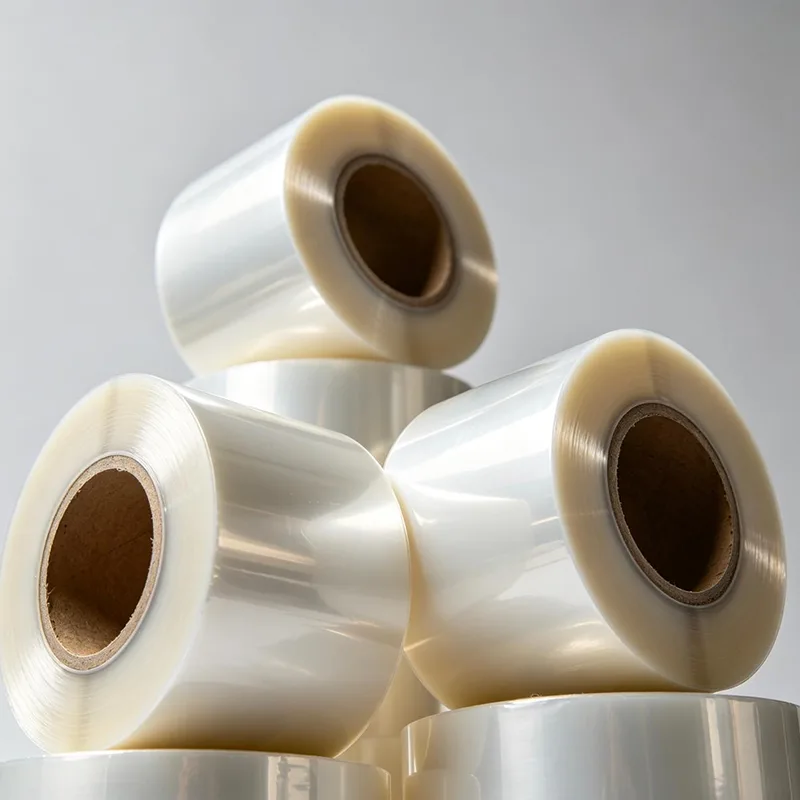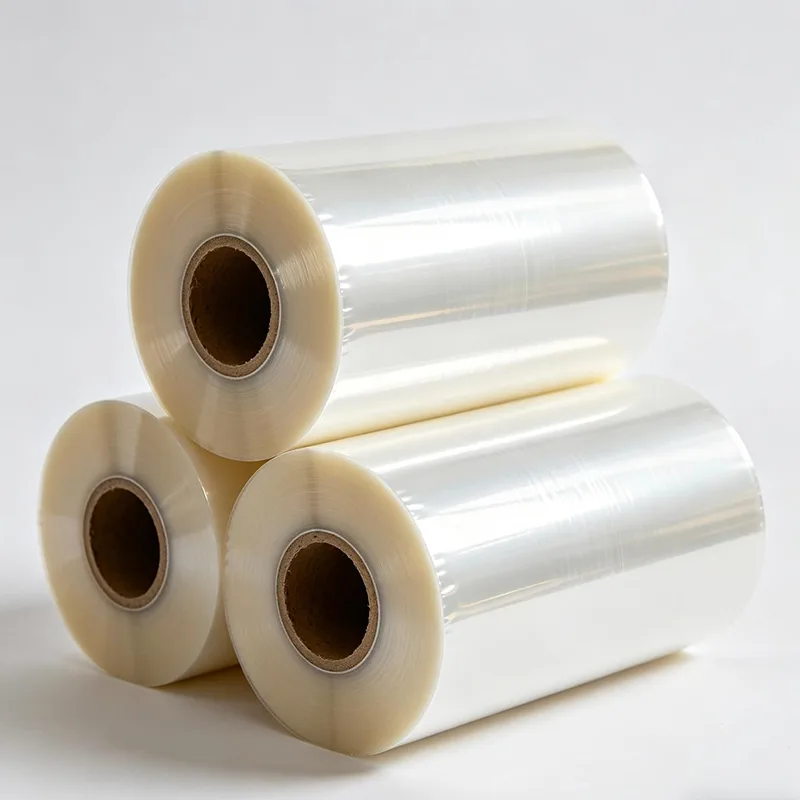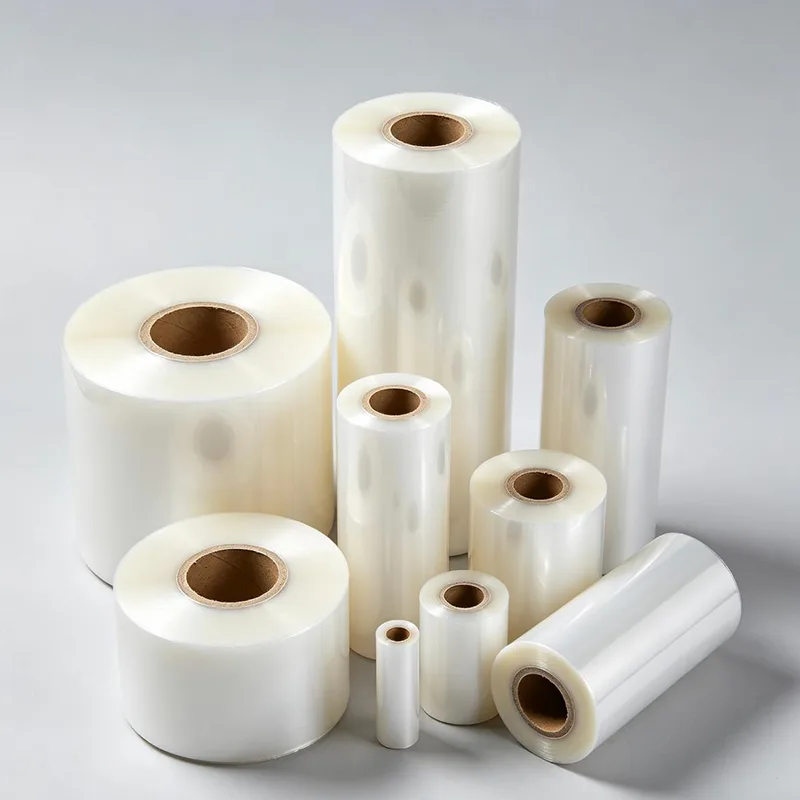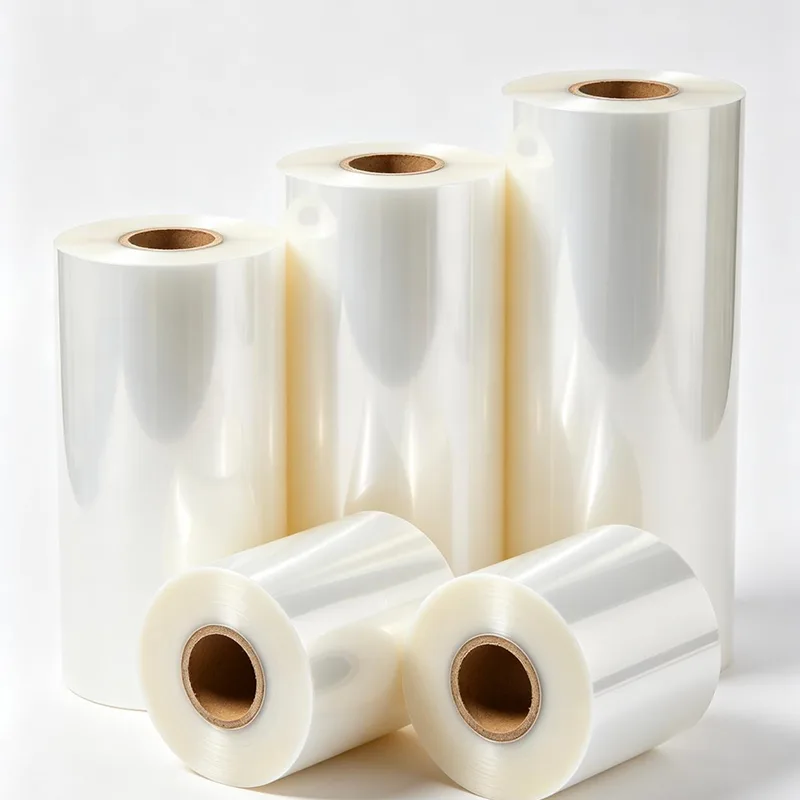
In today's competitive flexible packaging industry, selecting the right substrate is essential for achieving reliable metallization, strong lamination bonding, and consistent product protection. HUA HENG provides high-performance Lamination Metallizable BOPP Base Film designed to support stable aluminum deposition and efficient converting processes. With optimized polypropylene formulations, precise biaxial stretching technology, and controlled surface treatment, this specialized film helps packaging manufacturers develop durable, attractive, and high-barrier packaging structures.
Lamination metallizable BOPP base film is an important material for manufacturers producing premium flexible packaging. Unlike ordinary BOPP film, it is specifically developed to provide suitable surface characteristics for vacuum metallization and reliable performance during subsequent lamination. This article explores its manufacturing principles, technical advantages, specifications, applications, and selection considerations. It also explains how HUA HENG supports packaging converters with customized film solutions for different production requirements.
1. What Is Lamination Metallizable BOPP Base Film?
2. How Does Metallizable BOPP Film Work?
3. What Are Its Key Technical Advantages?
4. Technical Specifications and Performance Parameters
5. Major Applications in Flexible Packaging
6. How to Select the Right Metallizable BOPP Film?
7. Manufacturing Quality and Processing Considerations
9. Conclusion: Choosing a Reliable BOPP Film Supplier
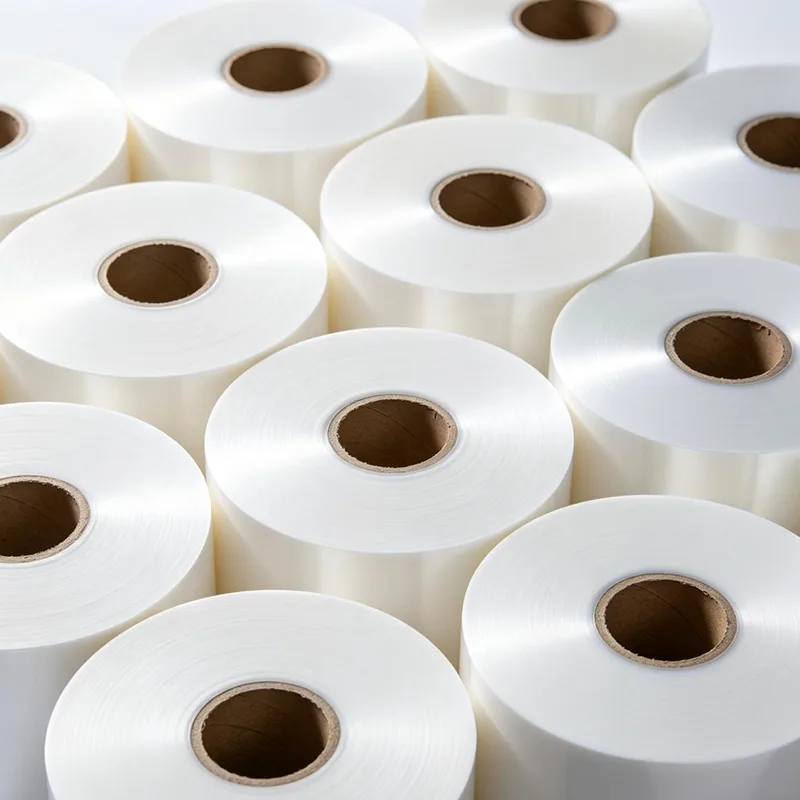
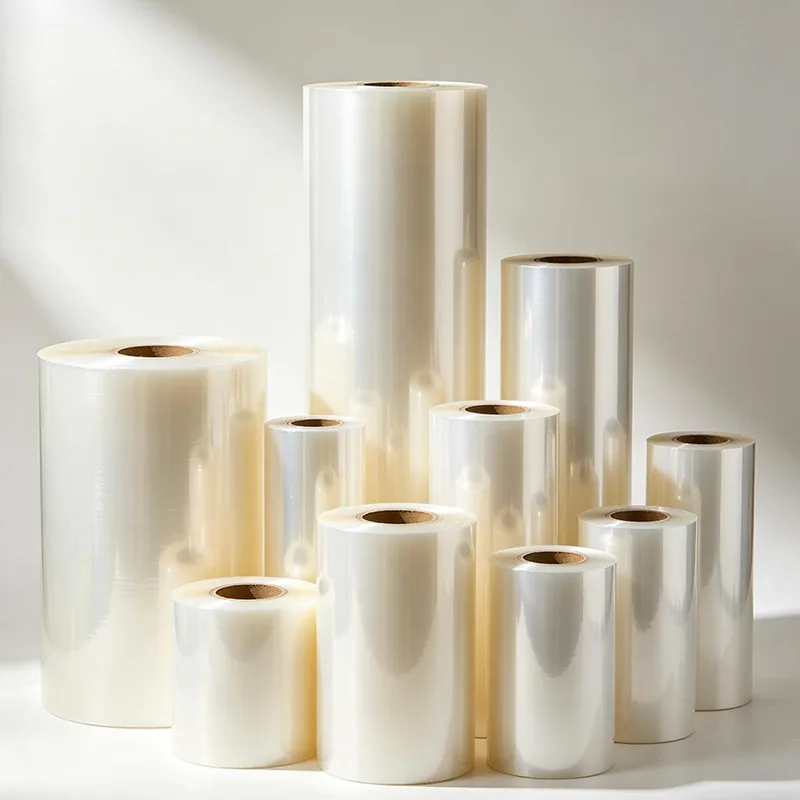
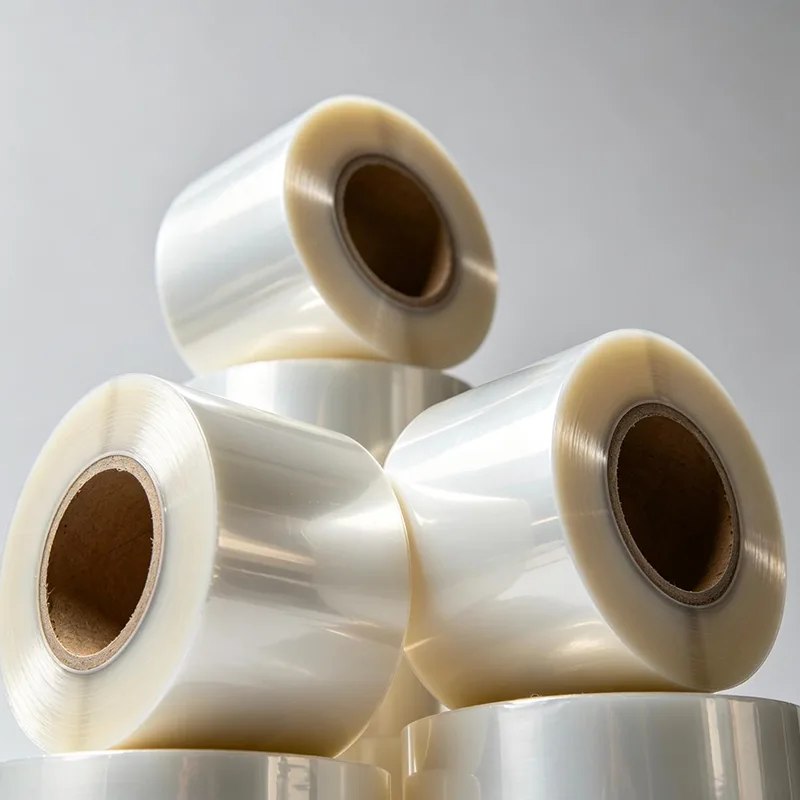
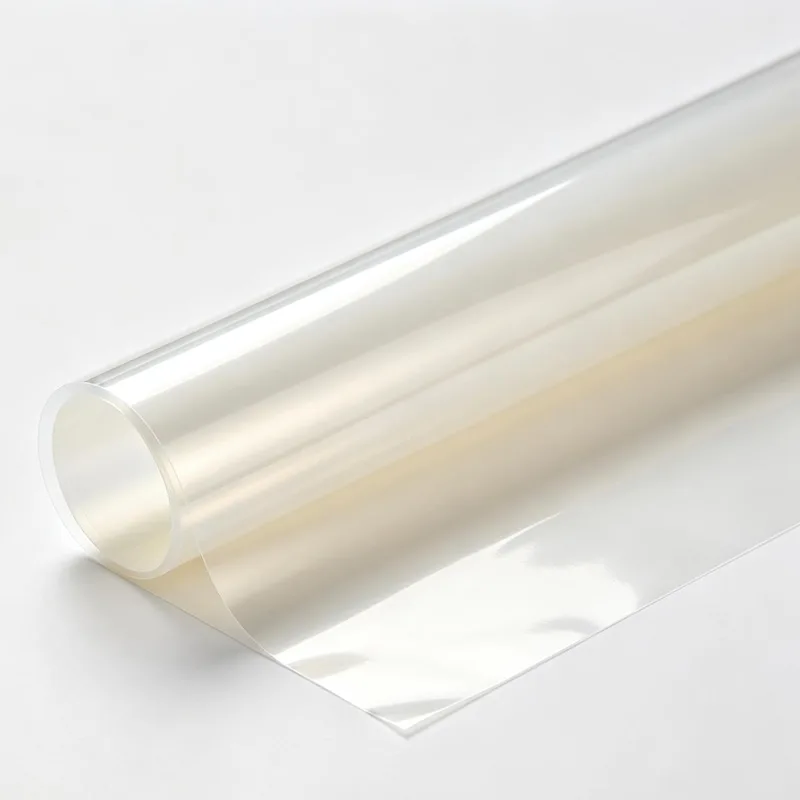
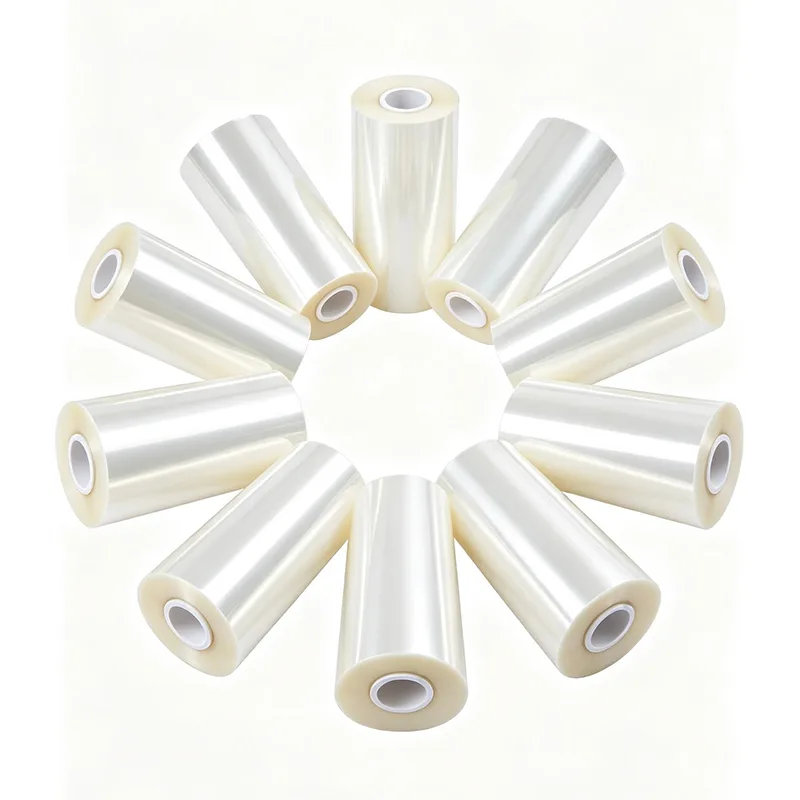
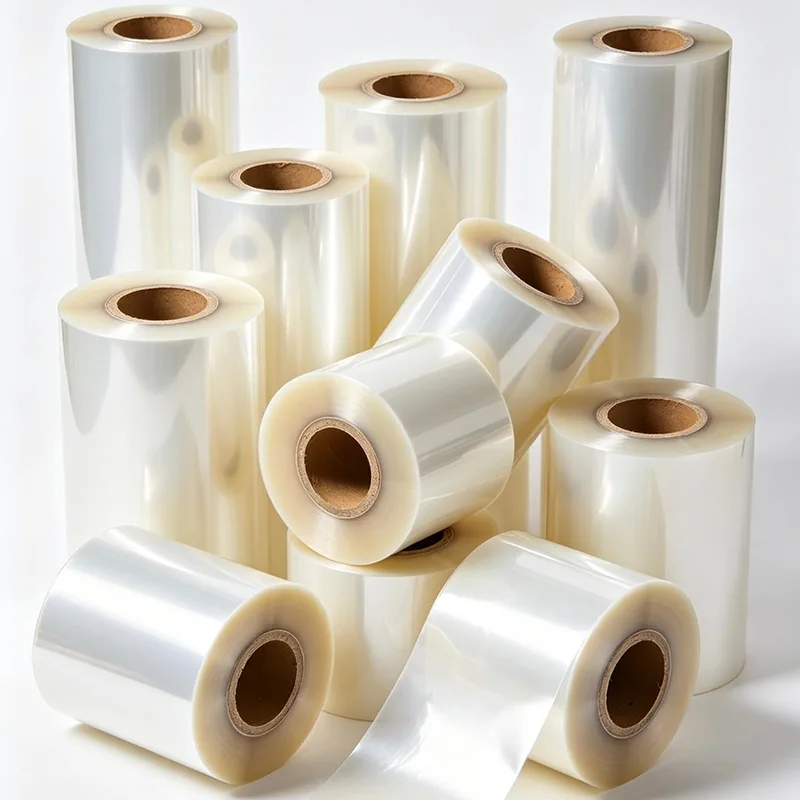
Lamination metallizable BOPP base film is a specialized biaxially oriented polypropylene substrate designed for vacuum metallization and subsequent flexible packaging lamination. Its primary function is to provide a stable surface for aluminum deposition while maintaining the mechanical properties and dimensional stability required for downstream converting operations.
BOPP stands for biaxially oriented polypropylene. During manufacturing, polypropylene is stretched in both the machine direction (MD) and transverse direction (TD). This orientation process improves the film's mechanical strength, clarity, stiffness, and dimensional stability.
However, not every BOPP film is suitable for metallization. Vacuum aluminum coating requires a substrate with carefully controlled surface properties. Poor surface compatibility may lead to uneven aluminum deposition, weak metal adhesion, and coating separation during subsequent processing.
HUA HENG Lamination Metallizable BOPP Base Film is developed to address these requirements through optimized material formulation, controlled surface characteristics, and precise stretching technology.
Its main functions include:
Understanding the production and converting process helps packaging manufacturers select the appropriate film grade for their packaging structures.
The process begins with carefully selected polypropylene raw materials. The formulation is optimized to provide the mechanical strength, surface characteristics, and processing stability required for metallization.
The polypropylene material is melted and extruded into a continuous sheet. Proper extrusion control establishes the foundation for consistent thickness and film quality.
The extruded sheet undergoes stretching in both the machine direction and transverse direction. This process develops the characteristic properties of BOPP film, including tensile strength, stiffness, and dimensional stability.
Accurate stretching conditions are important because uneven orientation can influence film flatness and downstream processing performance.
Surface treatment is an essential factor in metallizable film production. Corona treatment increases surface energy and improves the suitability of the film surface for subsequent processing.
Depending on the intended application, HUA HENG offers single-side and double-side corona treatment options. The appropriate treatment configuration can be selected according to metallization, printing, and lamination requirements.
During vacuum metallization, aluminum is evaporated under controlled vacuum conditions and deposited onto the treated BOPP substrate.
The quality of the resulting metal layer depends on several factors, including substrate cleanliness, surface characteristics, metallization conditions, and coating uniformity.
After metallization, the film can be combined with other packaging materials using dry lamination or solvent-free lamination processes.
The resulting multilayer structure combines the reflective appearance and barrier contribution of the metallized layer with the functional properties of other substrates, such as polyethylene or polypropylene sealing layers.
The performance of a metallizable substrate directly affects packaging appearance, production efficiency, and final product reliability. Several technical characteristics make this material suitable for demanding flexible packaging applications.
Aluminum adhesion is one of the most important performance indicators of metallizable BOPP film.
If the substrate does not provide suitable surface characteristics, aluminum deposition may become inconsistent. Weak adhesion can also result in aluminum transfer or coating separation during lamination and subsequent converting.
HUA HENG optimizes film surface characteristics to support reliable aluminum bonding. This helps manufacturers maintain a more consistent metallic appearance and reduce potential coating-related defects.
Film flatness is particularly important for high-speed packaging production. Uneven film surfaces and thickness variations may cause tension fluctuations, wrinkles, and unstable web handling.
Through controlled stretching and thickness management, HUA HENG develops film substrates suitable for stable lamination operations.
The benefits include:
Different packaging manufacturers use different adhesive systems and production configurations. A suitable metallizable BOPP substrate should therefore accommodate the intended converting process.
HUA HENG film supports two commonly used lamination technologies:
Before mass production, converters should evaluate adhesive compatibility, curing conditions, bonding strength, and finished structure performance.
Metallized packaging structures help improve protection against oxygen, moisture, and light. The aluminum layer plays an important role in reducing the transmission of external environmental factors.
When combined with suitable adhesive and sealing layers, metallizable BOPP film contributes to packaging structures designed to preserve product freshness, maintain quality, and extend practical storage life.
Understanding technical specifications is essential when comparing metallizable BOPP substrates from different manufacturers. The following table summarizes the published specifications of HUA HENG Lamination Metallizable BOPP Base Film.
| Technical Item | Specification |
|---|---|
| Material | Biaxially Oriented Polypropylene (BOPP) |
| Product Application | Metallization and Lamination Substrate |
| Thickness Range | 12 μm – 30 μm |
| Surface Structure | Single-Side Corona / Double-Side Corona |
| Surface Tension | ≥38 mN/m |
| MD Tensile Strength | ≥120 MPa |
| TD Tensile Strength | ≥200 MPa |
| Haze | ≤2.0% |
| Gloss | ≥90% |
| Processing Compatibility | Vacuum Metallization, Dry Lamination, Solvent-Free Lamination |
| Customization | Available According to Application Requirements |
These specifications provide a practical starting point for material evaluation. Actual finished-package performance also depends on aluminum coating conditions, adhesive selection, lamination parameters, and the complete packaging structure.
Because of its metallization compatibility and lamination performance, this BOPP substrate is suitable for several industries that require attractive packaging and improved product protection.
Coffee and tea products are sensitive to oxygen, moisture, and light exposure. Metallized laminated packaging helps reduce these external influences and protect product aroma and quality.
Its reflective appearance also creates a premium visual presentation for specialty coffee, tea products, and retail packaging.
Snack products such as potato chips, biscuits, nuts, and confectionery require packaging that helps prevent moisture absorption and maintain product quality.
Metallized BOPP laminated structures provide a practical combination of barrier performance, lightweight construction, and attractive shelf presentation.
Pet food packaging often needs to withstand transportation, storage, and repeated handling. Laminated metallized structures can combine mechanical protection with improved environmental barrier properties.
They are particularly useful for flexible bags and larger packaging formats where consistent sealing and structural reliability are important.
Pharmaceutical packaging requires carefully selected materials to help protect products against environmental exposure. Metallized film structures can provide an additional barrier layer when incorporated into an appropriately designed packaging system.
Material selection should consider the specific pharmaceutical product, regulatory requirements, sealing performance, and compatibility with the complete package structure.
Metallized flexible packaging is also used for selected personal care products, household products, and other consumer goods. Its metallic appearance helps enhance brand presentation while its multilayer construction supports product protection.
Typical application areas include:
Selecting the appropriate film requires more than comparing thickness or price. Packaging manufacturers should evaluate the complete production process and final product requirements.
Working directly with an experienced BOPP film manufacturer can simplify this process. Technical communication before bulk purchasing helps reduce material mismatch and improves production planning.
Consistent film quality is essential for converters that require stable production over repeated orders. Even small differences in thickness, surface energy, or mechanical properties may influence metallization and lamination results.
Reliable manufacturing begins with raw material selection and formulation management. Extrusion, stretching, cooling, and surface treatment must be controlled to maintain the required film characteristics.
Consistent production conditions help reduce variations between batches and provide a more predictable substrate for downstream processing.
Important quality inspection items include:
Converters should also conduct application-specific testing to verify the performance of the complete metallized and laminated packaging structure.
Appropriate storage conditions help preserve film quality before processing. Rolls should be kept in their original protective packaging in a clean, dry environment. Direct sunlight, excessive heat, moisture, dust, and chemical contamination should be avoided.
Before production, allow the film to acclimate to the converting environment. Inspect roll surfaces and edges, and verify surface treatment where necessary, particularly when rolls have been stored for an extended period.
HUA HENG specializes in the research, development, and manufacturing of BOPP films for flexible packaging applications. Its product portfolio includes heat-sealable BOPP film, matte film, anti-fog film, shrinkable film, and metallizable BOPP substrates.
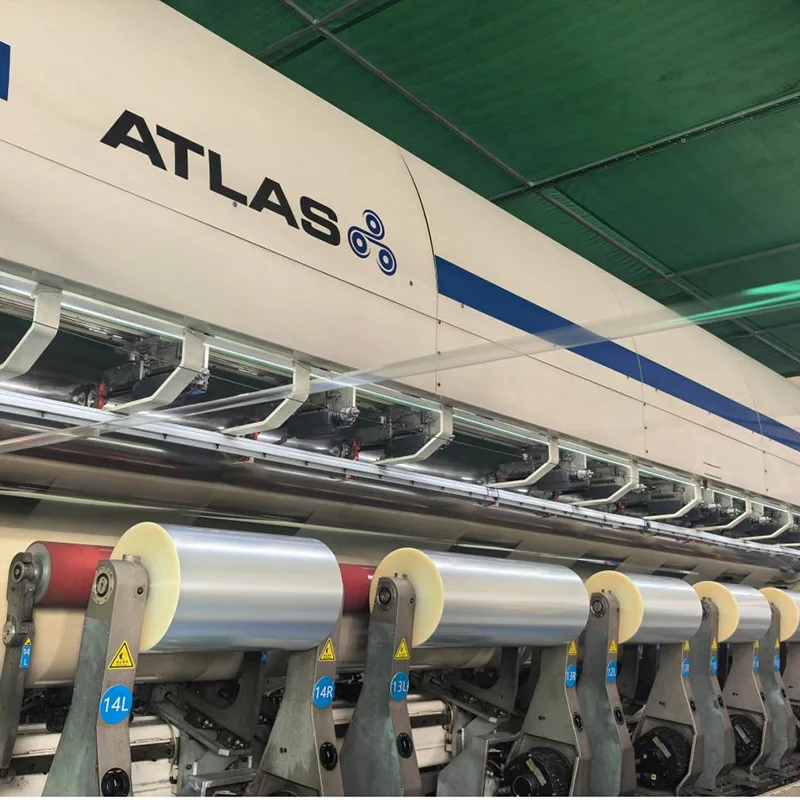
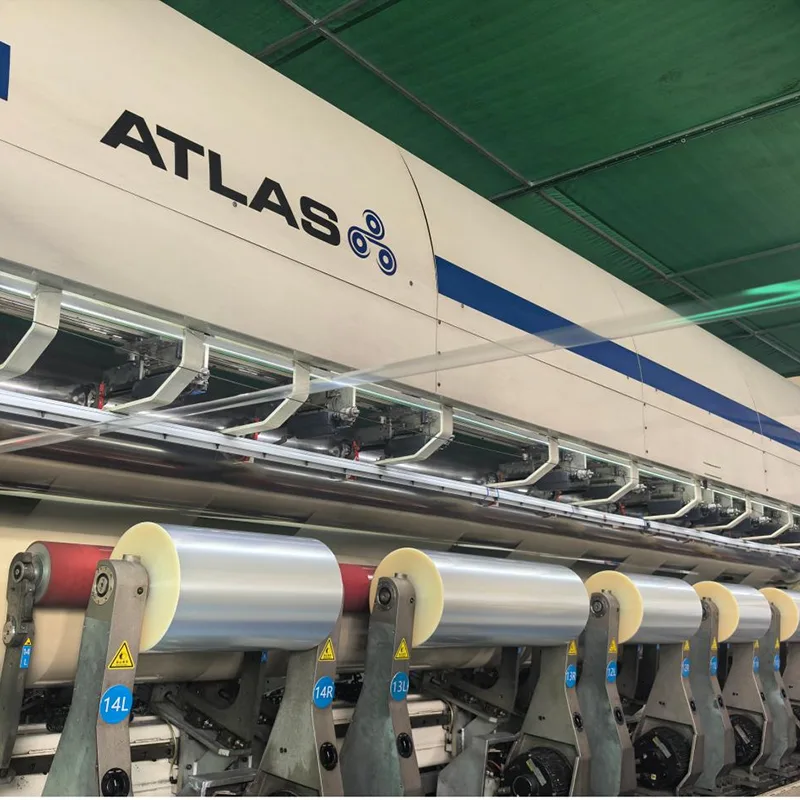
With two German Brückner BOPP production lines and an annual production capacity of 60,000 tons, HUA HENG supports customers requiring consistent film quality and large-volume supply.
The company's manufacturing capabilities and technical services offer several advantages:
For additional product information, explore HUA HENG Lamination Metallizable BOPP Base Film and its range of BOPP packaging film solutions.
It is primarily used as a substrate for vacuum aluminum metallization and multilayer flexible packaging. Typical applications include coffee packaging, snack packaging, pet food bags, pharmaceutical packaging, and other products requiring improved barrier protection.
Ordinary BOPP film may not have the surface characteristics required for stable aluminum deposition. Metallizable BOPP base film is specially developed to improve aluminum adhesion and maintain reliable performance during subsequent lamination and converting processes.
Yes. HUA HENG Lamination Metallizable BOPP Base Film is designed to support common flexible packaging lamination processes, including dry lamination and solvent-free lamination. Adhesive compatibility should be verified before mass production.
HUA HENG provides a thickness range of 12 μm to 30 μm. The appropriate thickness can be selected according to packaging strength, barrier requirements, converting conditions, and final structure design.
Yes. Both single-side and double-side corona treatment configurations are available. The selection depends on the intended metallization, printing, adhesive bonding, and lamination requirements.
Yes. HUA HENG can provide customized solutions based on customer requirements, including film thickness, surface treatment, and other relevant performance characteristics. Customers can discuss their equipment and packaging structure with the technical team.
Yes. Customers can request samples for preliminary evaluation. Testing can cover metallization performance, aluminum adhesion, lamination compatibility, and finished packaging properties before confirming large-volume orders.
HUA HENG can provide technical data sheets, quality inspection reports, and relevant compliance documents to support supplier evaluation and product approval procedures.
Manufacturers should select a suitable base film, maintain appropriate metallization conditions, verify aluminum adhesion, use compatible adhesives, and optimize lamination parameters. Testing the complete packaging structure is essential for confirming final barrier and bonding performance.
Choosing the right Lamination Metallizable BOPP Base Film is an important decision for flexible packaging manufacturers seeking reliable aluminum adhesion, consistent film flatness, and stable lamination performance. From coffee and snack packaging to pet food and pharmaceutical applications, a properly selected metallizable substrate helps create packaging structures that combine product protection, attractive appearance, and efficient production.
HUA HENG provides specialized metallizable BOPP film solutions with a 12–30 μm thickness range, single-side and double-side corona treatment options, and compatibility with vacuum metallization, dry lamination, and solvent-free lamination. Supported by professional manufacturing capabilities and customized technical services, HUA HENG helps packaging converters identify suitable materials for their specific production requirements. If you are looking for a dependable BOPP film manufacturer, need customized specifications, or want to evaluate samples for your next packaging project, contact us today to discuss your requirements and obtain a suitable Lamination Metallizable BOPP Base Film solution from HUA HENG.